Behind the Label HMDD Lies a History – What “Happy Memories Don’t Die” Really Means
Every clothing brand claims to have a story, but few build their entire identity around a single phrase the way HMDD has. The name itself is an acronym — Happy Memories Don’t Die — and it isn’t a marketing afterthought. It’s the reason the brand exists. Understanding what that phrase means, and why it resonates with the people who wear HMDD clothing, requires looking past the hoodies and sweatpants and into the idea that clothing can carry emotional weight the same way a photograph or a song does.
Underneath everything, what the phrase captures is endurance despite loss. Memories fade, people change, circumstances shift, but the label’s guiding idea maintains that the moments that mattered — the ones that made you who you are — won’t vanish only because the clock keeps ticking. Such a profound theme is a lot to place on a streetwear label, still this is precisely the reason so many shoppers searching “hmdd review” or “hmddla” leave with the impression that they encountered something deeper than a typical apparel purchase.
The Backstory of the Name
That four-letter shorthand HMDD represents Happy Memories Don’t Die, and the phrasing is deliberate in its simplicity. It’s four words and four letters, with no punctuation required to get the point across. This style of direct, emotionally-loaded naming has become more frequent among small-run streetwear names over the past several years, but HMDD pushes further into the sentiment than most, using it as a recurring theme across product drops rather than a one-off catchphrase.
The “hmddla” search term comes from the label’s close ties to the Los Angeles streetwear scene, and it’s the shorthand fans and shoppers rely on when searching for the brand online.
Small-batch drops, emotionally www.hmddla.net resonant branding, and a design language that favors understated comfort over loud logos — this is how HMDD belongs within the tradition of influential streetwear labels that Los Angeles has produced in outsized numbers over the past twenty years.
What makesthe story engaging isn’t just the branding — it’s the steadiness with which the brand carries it through. The same idea — hold onto the good and let it steady you — resurfaces across product descriptions. As customers more and more look for brands with meaning beyond the item itself, that consistency matters.
Buyers Weigh In on Just What “Happy Memories Don’t Die” Truly Signifies
This is deliberate, but ask ten different HMDD customers what the phrase signifies for them personally and you’ll likely hear ten distinct answers. For a portion of them, it’s about a loved one who’s gone. To other people, it’s more straightforward — a nudge to value the good times while they’re still happening. Part of why the phrase has traveled well beyond the clothing itself is this loosely-defined, feeling-driven branding, and it appears in captions, tattoos, and conversations disconnected from any specific product.
Instead of standing as the message’s endpoint, the clothing serves as a medium for that idea. A hoodie bearing “Happy Memories Don’t Die” stitched or printed on it is not merely a garment; for a good number of customers, it’s a wearable reminder. That deeper emotional function is one reason HMDD clothing tends to draw back returning shoppers instead of just one-off purchasers — customers return not just for new drops but because the message continues to hold meaning months or years later.
This is also why an “hmdd review” search so regularly surfaces discussion extending far past basic sizing and material remarks. Reviewers frequently mention the feeling behind the label sooner than they reference construction quality or fit, which is unusual for a streetwear label and speaks to how seamlessly the narrative has been built into the overall product feel.
The Point at Which the Vision Meets the Fabric: The Collection Range
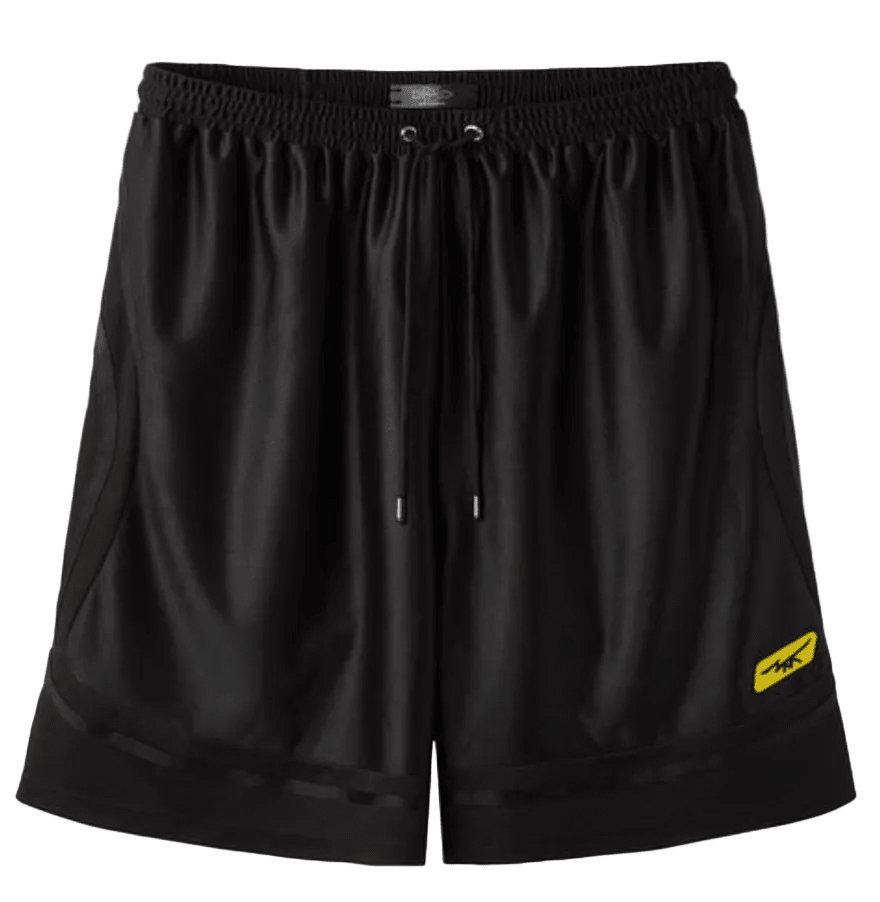
HMDD’s catalog centers on everyday essentials rather than complicated silhouettes, and that’s intentional — the idea is that the message should live in pieces people actually wear on repeat, not just special-occasion items. Sweatpants and shorts make up a significant portion of the lineup, and both categories have become the entry point for a lot of new customers discovering the brand for the first time in 2026.
HMDD sweatpants are designed around a relaxed, everyday fit rather than an athletic or slim cut, which aligns with the broader streetwear shift toward comfort-first loungewear that’s been building since the early 2020s and shows no signs of reversing. HMDD shorts follow the same logic — built for warm-weather versatility rather than performance activewear, positioned closer to lifestyle wear than gym gear.
Whenever someone asks which HMDD items rank highest, the answer usually comes down to how you intend the garment to be used. If you’re after something that puts the brand’s message front and center, graphic hoodies and tees usually display the boldest branding. If you’d rather have something subtler that still connects to the brand’s outlook, longtime customers tend to steer newcomers toward sweatpants and shorts with more subdued detailing.
Common Streetwear Labeling, Set Against What HMDD Does
To grasp what makes HMDD distinct, it’s useful to weigh its strategy against the more conventional brand approaches common within the streetwear space. The breakdown below breaks down a few key differences in outlook and product emphasis.
| Category | Standard Streetwear Brand | HMDD |
|---|---|---|
| Core Message | Logo-driven identity, status signaling | Emotional narrative centered on memory and loss |
| Product Emphasis | Buzz-driven releases, limited-run hoodies and tees | Daily-wear staples like sweatpants and shorts together with graphic pieces |
| Relationship to Buyers | Frequently tied to trends, short attention span | Long-term emotional attachment to the phrase and its meaning |
| Geographic Roots | Varies, frequently vague | Grounded in LA streetwear culture (hmddla) |
| What Brings Buyers Back | Fresh releases, buzz cycles | Continued resonance of the “Happy Memories Don’t Die” message |
This comparison isn’t meant to suggest one approach is inherently superior — buzz-based marketing has produced plenty of successful labels. Yet it does shed light on why HMDD’s growth has unfolded differently. Instead of relying purely on scarcity or logo visibility, the brand has built something closer to a community around a common feeling, which tends to produce more consistent, devoted interest rather than brief spikes dependent on a single drop.
Why the Message Still Resonates in 2026
Feeling-driven branding is nothing new, but the hunger for it has grown noticeably heading into 2026, as more shoppers — especially younger buyers — say they prefer brands with a defined perspective over ones that simply chase trends. HMDD gains an advantage from having laid its groundwork on that kind of genuineness long before it turned into a market requirement rather than a optional extra.
On a practical level, too: comfort-driven categories like sweatpants and shorts have stayed dominant in casual wardrobes for multiple consecutive years, and this trend shows no signs of shifting. By rooting its best-selling everyday pieces in categories shoppers already use every day, HMDD guarantees its message gets seen repeatedly rather than being tucked away for special occasions.
The phrase itself has also proven durable because it isn’t tied to a specific fad, viral moment, or passing craze — loss, sentimentality, and the desire to hold onto good memories are unchanging truths no matter the year. That timelessness is perhaps the brand’s greatest strength going into 2026 and beyond, giving it staying power that style-only streetwear labels often find hard to sustain once trends shift.
Closing Thoughts on the HMDD Story
What makes HMDD’s backstory worth telling isn’t elaborate marketing mechanics — it’s the idea’s sheer simplicity and the discipline with which the brand has remained true to it. Happy Memories Don’t Die isn’t just a name on a tag; it’s a philosophy woven into daily wardrobe staples like sweatpants and shorts, intended to be worn regularly enough that the sentiment turns into something lived daily instead of a one-time statement.
If you’re sifting through reviews, weighing your options, or simply wondering why a phrase like this has taken hold to this degree, the explanation rests on something widely felt: folks crave assurance that meaningful moments once held value and continue to. HMDD shaped its identity around celebrating that idea, and in doing so, turned a simple acronym into something a lot of people now wear with genuine meaning.