
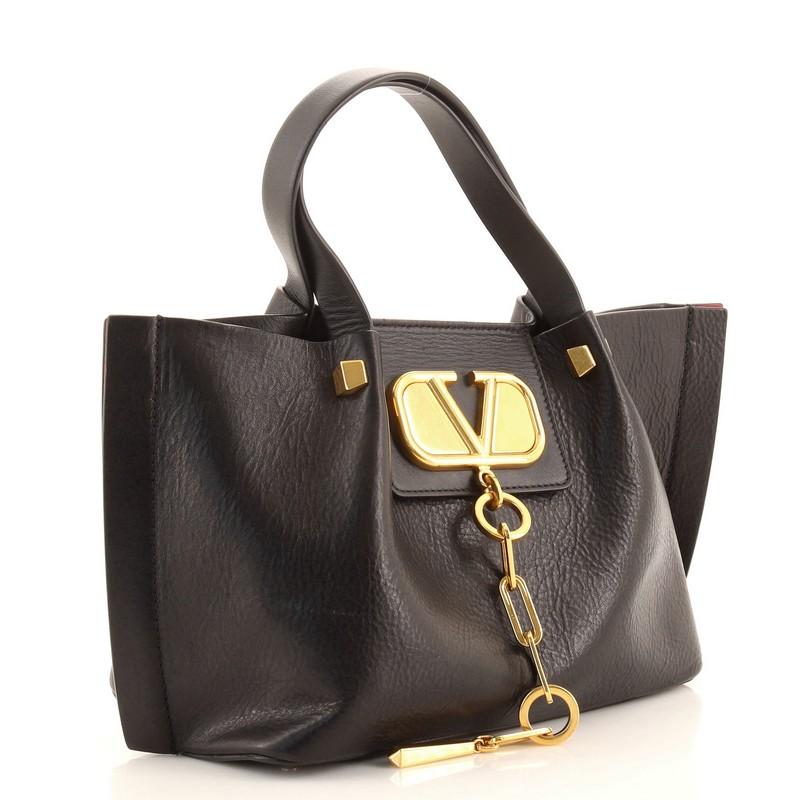
Valentino Leather Edit Top Handle Silhouette

Valentino Crossbody Bags: A Working Overview

Ask any ordinary shopper to picture a Valentino bag and what surfaces is something compact worn across the body, the strap drawing a diagonal over a coat. On the question of how people wear the house, that instinct is right; as a picture of how the house organises its own product, it is off. Plenty of what Valentino Garavani makes functions as a crossbody, but the word never turns into a category in its own catalogue. The aim here is to map the group as shoppers meet it — the pieces that do the job, their cost at observed 2026 market prices, and where a crossbody lands against everything else. Every figure below is a price observed in the market during 2026 research rather than an entry from an official price list, and such figures move constantly. What you get is a working map to read before you shop, rather than a receipt.

A category that thrives everywhere but the brand’s own navigation

Start with the oddity that underlies practically every valentino crossbody bag search: no crossbody category page exists on the brand’s own US site. The bag navigation is drawn from Shoulder Bags, Totes, Top Handle Bags, Clutches, Wallets and Small Leather Goods, and the crossbody valentino one stud mini idea hides inside those buckets as a descriptor rather than a door you can walk through. The major multi-brand retailers follow the opposite approach and maintain real crossbody pages — hence a search that ends on a department store’s filtered grid rather than the house’s own shelves. The practical consequence is that browsing officially means opening Shoulder Bags and Small Leather Goods and reading each product on its own terms. It also means the category is assembled by shoppers and stockists rather than handed down, so its edges are genuinely fuzzy. Regard what follows the reliable centre of the group rather than a complete inventory.

Rockstud small crossbody: the anchor piece

Name the bag that defines the group and the answer is the Rockstud small crossbody, observed in 2026 at between $1,650 and $1,950 in grainy calfskin and $1,790 in laminated calfskin. That spread is not arbitrary, because within a single model this house prices by material and finish far more than by size, so two bags of near-identical proportions can sit hundreds of dollars apart. The Rockstud motif is what makes the piece register as Valentino from across a room — pyramid studs introduced in Fall 2010 by then co-creative directors Maria Grazia Chiuri and Pierpaolo Piccioli, first on footwear, drawn from the rusticated stonework of Roman architecture. No signature the house owns registers more clearly, and Rockstud remains its deepest current line at roughly fifty-two live pieces. As a first valentino garavani bag it is the most defensible choice, legible without being fragile and priced in the commercial middle of the range. Among the pieces most likely to feature in an official seasonal sale, it favours anyone waiting for a valentino bag sale instead of buying on impulse.

Rockstud Spike crossbody clutch: the step up

One rung higher sits the Rockstud Spike crossbody clutch at an observed $2,400, and it answers a different brief. The Spike family as a whole stretches from roughly $2,550 for a small in suede to $3,700 for a medium in embroidered nappa; kidskin at $2,950, small nappa at $2,800 and medium nappa at $3,500 fill the middle. Set against that ladder, the crossbody clutch is the least expensive Spike available new, which makes it the natural entry point if you want the line’s hardware without committing to a full-size shoulder bag. Its shape is the trade-off: a clutch-derived body carries a phone and a card case, so it works as a second bag rather than your only one. Buyers wanting Spike capacity alongside Spike detailing usually will end up in the medium sizes several hundred dollars higher. Material matters here more than most people expect, because suede and embroidered nappa versions of otherwise comparable pieces can be separated by more than a thousand dollars.

Rockstud chain wallet: the least expensive route

Completing the three is the Rockstud chain wallet, observed at $1,250 in laminated calfskin, the lowest-cost route to a crossbody silhouette that still carries the house’s signature hardware. Wallet-on-chain designs occupy an odd space in luxury: catalogued as small leather goods, worn as bags, priced closer to accessories. The appeal is squarely that last point: $1,250 sits several hundred dollars under the small crossbody and falls inside the entry band of the range. Capacity is what you surrender: a chain wallet is a flat card-and-cash object with a strap, not a compartmented bag. Preserved in the trade are the studs, the Italian construction and the interior tag that identifies the piece. For anyone testing whether they actually like wearing valentino bags before spending mid-four figures, this is the sensible experiment.

The three core pieces at observed 2026 prices

Below, the pieces that truly function as crossbodies are set out with the material behind each observed price. Read it as a snapshot of the 2026 market rather than an official tariff, because the house publishes no fixed public price list. The pattern it exposes governs the whole range: material drives price more than size does. Band labels are given so that each piece’s position in the wider range is plain at a glance. Notice too how narrow the overall spread is, with all three pieces sitting between $1,250 and $2,400. That compression is exactly what makes the crossbody group the most approachable corner of the line.

Piece Material seen 2026 observed price (USD) Range band
Rockstud chain wallet Laminated calfskin $1,250 Entry
Rockstud small crossbody Grainy calfskin $1,650-1,950 Middle tier
Rockstud small crossbody Laminated calfskin $1,790 Mid
Rockstud Spike crossbody clutch The observed listing does not say $2,400 Middle

Crossbody’s place on the wider price ladder

Observed 2026 prices across the full bag range sort into three bands, and the crossbody group spans the first two. Running from about $650 to $1,500, the entry band carries VLogo Signature clutches at $650 to $790, Rockstud wallets at $1,250 and the Rockstud mini shopping tote from $1,390. At roughly $1,650 to $3,600 the middle band does the commercial work, covering most Rockstud, Rockstud Spike, Locò, VSling and VLogo shopping pieces. Above $3,700 sits the top band, characterised by embroidery, crystal and pearl settings and exotic skins, and it climbs through python at $5,650 and ostrich at $7,600 to an embroidered Panthea at $7,900. The third band contains nothing that reads as a crossbody, which says something about the category’s job — utility rather than spectacle. Anyone after a valentino bag for weekly wear rather than occasional admiration is shopping in the first two bands.

What to check before you pay

The one check worth making first has nothing to do with stitching. Ask which company made the bag before you ask whether it is real, because Valentino S.p.A., the Roman house behind the Valentino Garavani accessories line, and Mario Valentino S.p.A., a leather goods and footwear company founded in Naples in 1952, are completely separate and unrelated businesses. The luxury house’s bags carry VALENTINO GARAVANI; a bag reading only “Valentino” with “Mario Valentino” inside is a genuine Mario Valentino product from a different company at a different price point. The double name is a contractual obligation going back to a 1979 coexistence agreement between the two firms. Inspect the interior tag on a couture-house piece: VALENTINO and GARAVANI in capitals plus MADE IN ITALY, sewn on all four sides, the stamping evenly pressed. Look for a serial number on a tag inside an interior pocket, but it is not universal, older bags may carry none, its absence alone proves nothing, and there is no date-code system here of the kind other houses use. Buy from the house’s own boutiques and webstore or from named authorised retailers such as Neiman Marcus, Bergdorf Goodman, Saks Fifth Avenue, Nordstrom, Selfridges and Harrods.

The verdict on the category

The crossbody offering from Valentino is compact, coherent and notably simple to reason about. The whole thing is carried by three pieces, each on its own clear rung rather than competing with its neighbours. Read the missing category page as a navigation quirk and not a hole in the product line. Resale behaviour deserves a footnote: verified marketplace data puts the house average near 41 percent of original price, with hero styles including a Rockstud pouch crossbody landing around 50 percent, so this is mid-tier retention rather than the strongest in luxury. Choose accordingly: something you will actually wear, rather than something you hope will appreciate. Judged on exactly that test, the crossbody group is the most sensible part of the range.
Ferragamo Wanda Hobo Bag Ferragamo Sale

Ferragamo Shop Manners: Guidance for a Effortless Shopping Experience

Entering into a Ferragamo shop for your first visit can come across as a departure from browsing a mass-market rail. Here, the atmosphere is calmer, the staff are more engaged, and pieces — whether a Ferragamo bag to a pair of Vara pumps — are treated with visible care. Understanding the unwritten rules of luxury retail helps you feel confident rather than out of place. In this guide, we walk through what to expect, how to communicate with sales associates, and how to maximize your visit — whether you’re shopping in person or browsing Salvatore Ferragamo bags online. None of this is about gatekeeping; it’s about knowing the rhythm of the room so you can focus on what matters — finding a piece you’ll actually use for years.

Shoppers often search “ferregamo” as a common misspelling, but the house name is Salvatore Ferragamo, founded in Florence in 1927. That heritage still influences how the shop floor runs today, from the pace of a consultation to the way a Ferragamo bag is presented to you on a tray or cushion instead of thrown across a counter. Small details, big impact.

Before You Walk In: Do Your Homework

An effortless visit begins before you step through the door. Ahead of time, dedicate fifteen or twenty minutes browsing a Ferragamo bags overview via the brand’s official channels, granting you a working grasp of current collections, ferragamo beige tote silhouettes, and price ranges. This isn’t about memorizing SKU numbers — it’s about walking in with a direction rather than a vague “I want a nice bag” mindset, which can slow down service for you and the associate.

Work out your price range before you arrive, and be prepared to state it plainly if asked. Trained to assist you effectively, associates at a Ferragamo shop still need your constraints to do so. If you’re deciding between the best Ferragamo bags in a specific category, such as top-handle totes versus crossbody styles, jot down two or three names or descriptions beforehand.

  • Check store hours and whether an appointment is recommended, especially at flagship locations during weekends.
  • Don’t forget a valid ID should you intend to use a store card, apply for one, or handle a return.
  • Charge your phone beforehand in case you want to refer to saved images of styles you admired online.
  • Opt for comfortable shoes if you also try on footwear, since fit consultations can last twenty to thirty minutes.
  • Take note of any events, inventory refreshes, or seasonal launches scheduled in 2026 that might affect inventory that week.

Setting the Tone with Staff

Good manners goes each way within high-end retail. When you enter a Ferragamo shop, a hello from staff inside the first thirty-to-sixty-second window is standard practice — reciprocate it kindly rather than brushing it aside, even if you’re just browsing. A simple “I’m just looking today, thank you” clarifies things upfront and is perfectly fine.

When you’re seeking support, be specific. Saying “I’m interested in a Salvatore bag for everyday work use, structured, in a neutral color” gives the associate a stronger starting point than “show me your bags.” Being precise honors their time and yours. Typically, flagship stores keep two to four sales associates per floor section during peak hours, so a well-defined request helps you receive prompt assistance.

Avoid touching multiple items in rapid succession or taking several bags down together. This isn’t a strict requirement, but it indicates to associates that you’d find guided support useful rather than open browsing, and they’ll usually step in faster. Tolerating a fifteen-minute wait on a busy Saturday afternoon is to be expected; booked time slots are available precisely to cut down on waiting if you prefer less rushed timing.

How to Handle the Items

Ferragamo bags are made using materials such as calfskin, saffiano leather, and suede, varying by collection, and each reacts differently to oils, moisture, and pressure. Always ask before opening zippers fully, testing shoulder straps, or placing a bag on the floor. Staff are taught to demonstrate features themselves first, so let them lead that part of the interaction.

People often underestimate how much clean hands matter. Should you have recently eaten or used hand lotion, a quick trip to the restroom or a use of the sanitizing stations that plenty of stores offer is considerate before handling light-colored leather. One stray fingerprint mark on a pale saffiano tote isn’t catastrophic, but it’s preventable.

When trying on a crossbody or shoulder style, have the associate handle adjusting the strap rather than yanking on hardware yourself. The hardware, including buckles and D-rings on a Ferragamo bag are precision-fitted, and pushing an adjustment too hard can weaken the stitching that’s designed to endure for decades with proper care.

How to Compare Options Without Lingering Too Long

Feeling free to ask for three or four styles in one sitting is entirely reasonable — most consultations budget around twenty to forty-five minutes for comparing options like this. Beyond that, associates may kindly recommend narrowing your choices, not due to a lack of patience but because pulling stock from the back requires time and other clients are frequently in line.

When you can’t decide between two top picks for best Ferragamo bags in your budget bracket, ask the associate directly: “Which of these wears better with regular use?” Staff who handle returns and repairs regularly have real insight into long-term wear that run-of-the-mill sales language can’t offer you.

The table further down sketches out a broad scheme for weighing up bag types commonly discussed when patrons ask about highly-regarded Ferragamo bags — use it as a conversation starter with staff as opposed to a final verdict, because exact latest cost and stock details should invariably be verified at a physical location or through the official Ferragamo shop.

Bag Grouping Typical Use Case Key Materials Meeting Window
Firmly-shaped top-handle Office, black-tie gatherings Calfskin, cross-hatched saffiano A duration of 20–30 minutes
Shoulder-slung / over-the-shoulder Daily errands, travel Smooth leather, blended canvas materials Between 15 and 20 minutes
Nighttime handheld piece Dress-up moments Napped suede, satin finishes 10–15 minutes
Carry-all / weekender Work commute, short trips Full-grain leather, sturdy canvas 20–25 minutes

Protocol on Post-Purchase Care, Repairs, plus Returns

Every Ferragamo shop follows a formal returns policy, typically requiring original packaging, tags, and a receipt within a set window — ask the associate to state the exact number of days at the time of purchase, since policies can be adjusted seasonally. Keep your receipt in a dedicated folder rather than your wallet; creased or faded paper receipts can slow down processing.

If your Salvatore Ferragamo bag calls for a repair, for instance a stitch that’s come undone or a hardware issue, bring it in rather than taking a DIY approach. Many outlets extend free evaluations and can let you know whether the item meets the criteria for repair on the premises or requires shipping to a specialist repair center, a process that can take anywhere from two to six weeks depending on the intricacy of the work involved.

Be upfront about the bag’s usage history. Saying something specific like “I noticed this after six months of regular use” — as opposed to a hazy description — allows the team to determine warranty applicability correctly, which in turn quickens your support request significantly.

Shopping Online Retail vs. Brick-and-Mortar: Manners Still Applies

Even while purchasing Salvatore Ferragamo bags on the web, etiquette carries over in various guises. Reading full product descriptions, double-checking measurements given in centimeters or inches, and reviewing material notes before ordering cuts down on unnecessary returns, which come at a cost to the label and the surrounding environment in logistics and repackaging.

When you decide to buy online and collect at the shop, phone in advance to verify the product has come in and is set to go, instead of assuming you can grab it right away. Most stores need twenty-four to forty-eight hours for web-to-store handoffs to be fully completed in 2026’s updated logistics systems.

If you’re reaching out to customer service by email or chat, provide your order number in the first message. It sounds minor, but it can cut resolution time in half compared to back-and-forth clarification emails.

Concluding Thoughts on Forming a Respectful Shopping Routine

The right etiquette at a Ferragamo store has nothing to do with rigid formality — it’s about reciprocal respect between you and the staff assisting you arrive at a thoughtful purchase. Extend to the merchandise, the staff’s time, and the process the same care you’d want shown to you, and things go more smoothly every time you return.

Across multiple visits, a good number of shoppers form a rapport with one dedicated staff member who remembers their preferences, sizing, and past purchases. That kind of continuity, common in luxury retail, often leads to better guidance the next time you’re comparing options among the top Salvatore Ferragamo bag choices for a fresh occasion or seasonal need.

Modest forethought and simple courtesy make a real difference, whether you’re new to Ferragamo or a repeat client refreshing your collection in 2026, toward turning each Ferragamo visit into an enjoyable, deliberate step in assembling a wardrobe meant to last, instead of a simple transaction.

Black Sp5der Hoodie Brand Guide Open Sp5deronline

SP5DER Store This Year: The Direct Buying Guide

The current landscape for Spider releases is speedy, fragmented, and merciless, but repeatable frameworks make it navigable. Treat drops, fit, and authenticity like systems, not assumptions, and you’ll stop losing to purchases, fakes, and returns.

This guide compresses proven tactics sourced from limited-release streetwear buying into a straightforward checklist you will apply to the brand’s 2025 flow. You’ll learn how launches are actually arranged, how to pick a size using measurements instead of vibes, and how to authenticate minus relying on unreliable folklore.

What is new in Spider drops for the current year?

Expect a combined model: scheduled releases, quiet shock drops, and raffles with short entry windows. Queue and anti-bot layers are stricter, payment verification is stricter, and location-based release windows show up more often.

Collections now roll out through staggered capsules rather than one-off mass drops, which distributes demand but preserves peak pressure. Queue systems frequently mix position after the initial minute, so being prompt counts more than hitting refresh. Payment processors increasingly require three-dimensional Secure or comparable step-ups; if the card profile is not ready, your transaction will bounce. Regional IP gating and shipping restrictions emerge more often, which makes knowing acceptable addresses and duties a real consideration. Shock drops keep to exist but incline to be suggested by micro-signals like updated sitemap addresses or product identifiers going live ahead of the front-end changes.

How can you actually secure a drop before it sells completely?

Be prepared: accounts logged on, addresses and cards saved, and a single clean device-session for each checkout. Arrive within the first moment, open product pages directly, and orange spider hoodie source skip extensions that set off fraud filters.

Preload your size preferences plus decide alternates in advance to eliminate decision lag. Navigate from direct item URLs rather instead of the homepage; bookmarking or typing this product handle remains faster than browsing. Keep one internet tab for checkout only; running several on the matching profile can trigger your session. Wireless networks occasionally clear risk checks better than home WiFi; test both prior of time. If there’s a queue, let it operate uninterrupted—switching internet or hard-refreshing may reset your position.

Are stock replenishment real in the current year?

Yes, but they’re small, fast, & often automated when payment declines open inventory. Treat restocks as second-chance small opportunities, not full repeats.

Many restocks in exclusive streetwear come through canceled orders, failed verifications, and warehouse reconciliations. These comebacks can appear minutes, hours, or intervals after the initial drop, usually lacking fanfare. Monitoring item pages for stock re-appearances is much more effective than staying for announcements. Browser notifications and backend monitors help, yet a simple personal check at regular intervals—15 minutes, single hour, and this next business day—catches many. If one missed the main drop, keep this payment method ready; restock inventory goes even faster.

Fit snapshot: fits, styles, and measurements

SP5DER shapes tend to appear streetwear-relaxed rather compared to slim, but design varies by item and season. Select size by individual and garment dimensions, not letter tag alone.

Hoodies often have a boxier chest and slightly cropped length compared versus classic athletic cuts, while tees may range from standard to oversized based on the graphic program. Sweatpants can sit higher around the waist including a tapered bottom; inseam and waist height control the shape more than marked size. Denim and other bottoms may swing between regular and baggy—thigh and rise measurements control comfort more versus waist alone. Treat each product listing’s size chart as the source regarding truth, then compare with your own best-fitting garments positioned flat.

How should you measure your body and compare to the chart?

Measure a garment you already love, not your body, for the highest reliable translation. Compare chest width, arm width, length, plus rise to this product chart; focus on the one measurement that defines overall silhouette for this item.

Lay your reference piece flat, smooth without stretching, and record torso pit-to-pit, shoulder width, back length from collar to bottom, sleeve from shoulder seam, waist flat, front rise, leg, and inseam. Check these to this posted chart, seeking for a match within 1–2 cm where it weighs most (chest for tops, rise concerning sweats, thigh & rise for denim). If you’re after an oversized look, add 2–4 cm to chest & shoulder; if you want a traditional look, match your reference closely. As between sizes, evaluate about fabric performance: heavier fleece relaxes with wear, thick jersey holds shape, and denim gives slightly over use at stress points.

Comparison table: main items, fit characteristics, key measurements

Use this quick matrix to pick where to focus your measurement plus what to execute if you’re spanning sizes. It complements, not replaces, the product-specific chart.

Item Size Profile in This Year Collections Focus on This Measurement If Between Sizes
Sweatshirt Relaxed body, slightly cropped length vs. sports Chest width, shoulder width Move up for loose drape; stay true for standard
T‑shirt Regular to oversized depending on graphic series Chest dimension, back length Go up if someone want drop-shoulder style
Sweatpants Narrowed with cuff; higher rise common Front rise, thigh measurement, inseam Size up for room at thigh/rise; true for slim
Jeans/Pants Regular to baggy; rigid fabric Thigh dimension, front rise, center flat Size higher for relaxed seat; true for firm fit

Recheck allowable bands on that product page; various items specify permitted variance per garment. When in question, favor the dimension that affects fit in motion—lower and rise exceed waist for pants, chest and arms outrank length regarding tops.

How for verify authenticity without guesswork?

Use a multi-layer approach: product metadata, build consistency, and seller provenance. If 2 of the 3 don’t match, move away.

Item metadata includes authentic product names, hue codes, and series identifiers; mismatches or invented codes are red flags. Build consistency means consistent stitching density, precise seam alignment, & graphic placement what matches official photos across sizes. Vendor provenance is about buying from authorized stores or legitimate retailers with traceable records; marketplaces lacking item-level verification are higher risk. Should a piece contains a scannable marker or serial, confirm it through that stated method; if it doesn’t, lack alone doesn’t verify or condemn—assess the whole group of signals. Keep receipts and original packaging photos; verification documentation helps should you need site or payment protection.

“Expert tip: Never rely on one single marker. Check three independent indicators—typography spacing on the graphic, construction construction inside this garment, and item naming/season codes. When any two break down under close review, you’re not seeing at a safe purchase.”

Materials, print techniques, and construction tells

Authentic pieces show accurate ink lay plus flock/gel consistency, stable color, and neat finishing. Counterfeits group around sloppy boundary definition, off-tone colors, and uneven sewing at stress points.

Screen designs should have sharp edges with limited bleed and correct hand-feel for the technique; puff/gel effects should expand evenly without pits plus bubbles. Flock and textured applications must be evenly finished with clean edges and no glue seep at these edges. Inside, look for even stitch length, secure anchor tacks at pocket entries, and smooth overlock finishes lacking loose thread nests. Labels, wash markers, and size labels should be aligned and legible featuring consistent type thickness—look for arrangement anomalies, not just misspellings. Packaging is a supporting signal: lot numbers, dimension stickers, and uniform bag gauges support, but they’re simple to spoof; center your decision on the garment specifically.

Payment, shipping, and refunds realities in this year

Strong Customer Confirmation is now typical, so failed confirmations are a top reason for declined orders. Shipping periods vary by capsule and location, and return eligibility might be restricted on limited items.

Before drop time, enroll your card in 3‑D Secure and confirm this bank’s fraud configurations to prevent soft declines. Address Verification System mismatches frequently come from pre-filled data; type details manually on your initial purchase to build a clean profile. Expect duties/VAT for be calculated throughout checkout for cross-border orders; prepaying typically speeds customs. Various limited releases remain marked final purchase regardless of fit issues, so consider pre-purchase measurement as mandatory. Track identifiers can appear before actual carrier updates during peak times; allow a gap before raising complaints unless the label ages out.

Quiet realities most buyers ignore

Four subtle realities can preserve you money & time. Queue randomness often locks following the first minute, so punctuality surpasses constant refreshing. Web autofill can generate AVS mismatches & declines; manual entry and address normalization reduce failures. Inventory returns frequently source from payment declines & fraud sweeps, & they appear during predictable reconciliation times like 15–30 mins post-drop and the next business AM. Duplicate entries for raffles from one same IP, hardware fingerprint, or payment profile tend for be filtered; diverse legitimate entries beat brute force.

Final checklist before you hit checkout

Decide preferred size using one reference garment & the chart, set up payment with 3‑D Secure, and set up direct product URLs. Confirm vendor validity and keep this short proof record for authenticity & support.

Have two measurement plans: your top pick and an instant fallback if it sells completely. Test one wireless and one PC path, both logged into your login with updated shipping details and a empty cart. Keep this network stable plus your browser lean—no coupon extensions, no heavy popup blockers on checkout domains. Verify this product naming plus construction against official imagery you’ve stored locally; compare after buying to document verification. Store receipts, transaction confirmations, packaging images, and unedited item shots; they’re the safety net when anything goes sideways.

The Row Brand Story Understated Elegance

The Row Bag Prices in 2026: What the Tiers Actually Cost

One fact governs how any price here should be understood: the brand publishes no master price list. Each figure here is an observed 2026 market price, drawn from the brand’s storefront and stockists at a single point in time. This is not a hedge added for legal comfort; it is the central reality of shopping this label. Prices travel with material, size, region and channel, and one silhouette can carry two very different numbers depending on the hide. What the data does establish plainly is that the row bags make up three distinct price tiers, divided by real gaps. The sections below walk through the tiers and name the premiums that carry the cost.

Why the Missing Price List Matters

Most luxury houses hand buyers an anchor in the form of a published figure per model, and resale prices against it. The label does none of that, with two practical results. The first is that any single number is a snapshot from one retailer on one day rather than a fixed value. And second, a range is honest in a way a single figure often is not, especially once materials differ. That a large N/S Park Tote has been observed between $1,990 and $3,250 is no error; it is one bag in different hides. Understand a wide range as a statement about material, and the market reads clearly.

The Three Tiers at a Glance

To see the structure clearly, set the tiers out alongside what fills them. The entry band sits at roughly $590 to $1,500, where small leather goods, pouches and the least expensive totes dominate. From about $1,550 to $3,500 sits the middle band, holding more models than either end, including nearly all Park totes and most shoulder bags. Around $3,600 to $6,900 marks the top band, home https://rowoutlet.com/shoulder-bags/ to the Margaux family, the structured top-handles and the flagship totes. Notice the gaps at $1,500 to $1,550 and $3,500 to $3,600, where the tiers separate rather than blend. The table below sets out the picture.

Tier Observed 2026 range Representative models and prices What the money buys
Entry $590-1,500 Double Travel Wallet $590; Boone Tote $900; Cecily Mini Tote $950; Ray Pouch $950; Sally $1,000; 90’s Bag $1,090; Brian Tote $1,100-1,200; N/S Park Crossbody $1,290; Half Moon $1,390; Idaho $1,420 The silhouette, palladium-plated matte hardware and the logo-free language, scaled down
Mid $1,550-3,500 All Park Tote sizes $1,450-3,250; 90’s Shoulder $1,450; Bourse Clutch $1,590; Alix $1,900; Terrasse To-Go $1,950; Small Izzy $2,100; Marcel $2,300-3,200; Large Slouchy Banana $2,550; Peggy Clutch $2,900; Parker $2,900-3,100; Alma Shoulder $3,300; Terrasse $3,500 Full-size daily bags, more involved construction and larger leather panels; the widest choice on offer
Top $3,600-6,900 Marlo 12 $3,600; Soft Margaux 10 $3,650; India 10.00 $3,850; Ida $3,990; Soft Margaux 12 $4,350; Agnes 12 $4,400; XL Park Tote Stitched $4,570; Alger Tote $4,900; Margaux Shoulder 12 $4,900; Iowa Duffle $5,180; Marlo 14 $5,300; Marco Bag $6,900 The flagship silhouettes, heavier structure, premium hides, and hand-finishing

Tier One: What $590 to $1,500 Buys

Entry is a more substantial tier than the label implies, and most first purchases land here. At $590, the Double Travel Wallet is the least expensive starting point, with the Boone Tote at $900 and the Cecily Mini Tote at $950 next. The 90’s Bag comes in at $1,090, the Half Moon at $1,390, the two small bags buyers most often shortlist against each other. Idaho closes the tier at $1,420. Nothing in this tier surrenders the house identity: hardware finish, absence of exterior branding and discreet stamp placement match the expensive models. You give up size, structural complexity and, usually, the richest leather grades.

Tier Two: What $1,550 to $3,500 Buys

The range is deepest here, and this is where most buyers finish. Every Park tote sits here, so anyone searching for the row tote bag arrives here, and the N/S Park Tote medium has been observed at $1,650 to $1,950. The shoulder bags cluster densely, starting with the 90’s Shoulder at $1,450 and Alix at $1,900 and reaching Parker at $2,900 to $3,100. There are clutches here as well: the $1,590 Bourse Clutch and the $2,900 Peggy Clutch. The Bourse Clutch shows what mid-tier construction means: calfskin exterior, nappa lining, hinged frame closure, hidden adjustable strap, 10.2 by 6.5 by 2.3 inches, Made in Italy according to the brand’s own page. That specification would sit comfortably several hundred dollars higher.

Tier Three: What $3,600 to $6,900 Buys

The top tier holds fewer models but spans a wider price spread. It opens with Marlo 12 at $3,600 and Soft Margaux 10 at $3,650, closing with the Marco Bag at $6,900. Between them sit the structured top-handles, the India and Agnes families, the Iowa Duffle at $5,180 and the Alger Tote at $4,900. These pieces appear on every list of top row bags, and prices within the tier follow material and size rather than prestige ranking. The Margaux Shoulder 12 shows what the money covers: 100 percent calfskin, lambskin lining, 14.75 by 9 by 5 inches, elongated tubular handles, signature adjustable buckles, narrowed gusseted side panels, Made in Italy. Rather than branded jacquard, the linings are luxury materials, and that is a genuine cost borne by the buyer.

The Premiums That Move the Number

Three factors explain most variation in the range, and none is branding. On identical silhouettes, suede carries a consistent premium over calfskin: India 10.00 was observed at $3,850 in leather against $5,370 in suede, Agnes 15 at $5,000 against $5,800. Size is the second lever, made unusually legible because the number in a model name is the width in inches. Soft Margaux 10 at $3,650 turns into Soft Margaux 12 at $4,350, which puts two inches of width at $700. Handwork is the third, most visible in the XL Park Tote at $2,490 against the XL Stitched at $4,570. Do not assume fabric costs less, either: the Marlo Tote was observed at $4,300 standard and $5,600 in canvas.

The Margaux Ladder, Stated Honestly

The Margaux family earns its own note: it is the flagship and the most misreported. From observation, Soft Margaux 10 lands at $3,650 and Soft Margaux 12 at $4,350, both matte grained calfskin, cotton herringbone lining, palladium-plated hardware, Made in Italy. Observation puts the Margaux Shoulder 12 at $4,900. A figure of $4,700 has been reported for the Soft Margaux 15, but it is unconfirmed and must not be quoted as retail. The Margaux 17 exists and has been seen in leather-and-canvas at Selfridges at roughly 17 by 12 by 9 inches, but no verified price is attached to it. Against the original, the Soft adds metal feet, an interior toggle closure, belted side gussets, a zip pocket and card slots.

Prices to Treat as Unverified

A price guide is worth only as much as its willingness to admit what it does not know. Several models circulate with confident figures attached that do not survive checking. They are listed below. In each case the model is real and the price is simply not established. Should you see one quoted as official retail, treat that source as unreliable across the board. Where a resale range is known it is given, since secondary pricing is at least a real measurement.

  1. Soft Margaux 15: around $4,700 reported, unconfirmed.
  2. Margaux 17: exists at retail, no verified price.
  3. Devon Medium: an estimate of $4,650 circulates and is unverified.
  4. Ascot: listed in a small satin version at a major retailer, price unverified.
  5. Wander: retail unverified; observed resale between $840 and $1,795.
  6. Sling: Sling 15 nylon hobo and N/S Sling, neither with a verified retail figure.

What the Resale Market Adds to the Picture

How buyers judge these figures is shaped by secondary pricing, which is why it belongs in any row bags overview of cost. In Rebag’s CLAIR 2025 report, brand-level retention came in at 97 percent, entering the unicorn tier of 85 percent and above for the first time. Only Telfar, Hermes and Goyard placed above it. Inside that, the N/S Park Tote recorded 146 percent, the Margaux Tote 107 percent and the Half Moon shoulder 106 percent. Looser reporting has placed Margaux resale around 40 percent above retail. All of this is observed market behaviour, not investment advice, and it has a limit: canvas, nylon, sisal and seasonal colours discount routinely, and the strength sits in black and neutral calfskin.

How to Read Any Price You Are Shown

With the tiers in place, a simple test becomes available. Establish which tier the model belongs to, then ask whether the quoted price falls inside that band for the material described. The loudest warning in this market is a number far under the band for a flagship model: a major resale authenticator places new Margaux bags at $5,000 to $9,000, adding that anything priced in the hundreds is almost certainly counterfeit. Anybody combing listings marked the row for sale should apply that check first. No public serial number, date code or authenticity card system exists for these bags, so price plausibility and in-hand inspection outweigh paperwork. Used with care, the tier structure is the most reliable pricing tool for row handbags.

Washed Roots Denim Tears Denim Tears Hoodie

Denim Tears Tees and Shirts: A Buyer’s Breakdown

A tee is normally the cheapest entry point into a brand, and in the case of Denim Tears that is true on paper and practically misleading. The graphic on the chest is not decoration bolted onto a blank; it is why the garment exists at all. Tremaine Emory started the label in 2019 and built its visual language around the cotton wreath, a motif rooted in the history of cotton cultivation, the transatlantic slave trade and African-American experience. That context sits on every short-sleeve piece the label prints, and it changes how you ought to evaluate one. A denim tears hoodie may well be the flagship, though most people start with the shirts. Below: what the money buys in 2026, how tees differ from button-ups, and where a denim tear shirt sits next to the heavier pieces in the line.

How a Denim Tears Tee Differs From an Ordinary Graphic Shirt

Most streetwear tees are built on a logo, a season, or a joke, and they age at the speed of the reference they carry. Denim Tears operates differently since the central graphic has been more or less fixed from the earliest releases onward. That consistency lets a tee from 2021 and one from 2026 read as members of the same family rather than as artefacts of two different seasons. The wreath is normally a screen print, sometimes one flat colour, sometimes two or three passes that lend the cotton bolls dimension. Chest-centred, sleeve, back-panel and all-over treatments have all appeared over the years — the placement varies, the motif does not. Understanding this matters at purchase time, because the choice is between arrangements of one constant, not between rival ideas. The result is that a denim tear shirt dates slowly, which is a genuine argument for paying more than you would for a seasonal graphic.

The Blank Under the Print

The graphic gets all the attention, and then the body of the garment surprises people. Mid-weight jersey at one end, shop shirts considerably heavier boxy bodies at the other, Denim Tears has used a range of blanks, and the difference is obvious in the hand. Heavyweight boxy bodies come in at 230 to 280 grams, compared with about 180 to 220 grams per square metre on a standard cotton tee. Structured drape, no collar roll, and a print that does not telegraph every fibre through the ink — that is the payoff of the heavier cloth. If you live somewhere warm and plan to wear the piece alone rather than as a base layer, the extra warmth is worth weighing. The long-sleeve versions sit toward the heavier end, as the added cloth needs the body weight to look balanced.

Print Quality and Its Behaviour Over Time

A screen print is a consumable, not a permanent feature — something to understand before spending three figures. A good plastisol or water-based print on a quality blank survives dozens of careful washes before it cracks meaningfully. Water-based ink sinks into the fabric and softens quickly, so it looks broken in sooner and fades more visibly; plastisol sits on the surface, holds its edge longer, and cracks instead of fading. The gradual softening of a print is part of why older Denim Tears pieces develop character, and neither ink type is defective for behaving that way. Washing cold, inside out, and drying flat is the largest lever you have over the graphic’s lifespan. Avoid ironing directly onto the print, as heat applied to ink is the fastest route to ruining a perfectly good shirt.

2026 Price Bands: What Each Band Gets You

Prices across the line have been fairly stable over recent years, though particular releases and collaborative pieces fall outside the general pattern. The numbers below are 2026 market estimates, not fixed retail quotes, and each is a range rather than one number. Sought-after colourways and older drops trade well above the numbers shown, because retail and resale diverge substantially. When something is priced far under the bottom of these bands, take a careful look at the seller and at the stitching. Two collector audiences instead of one, so collaborative pieces carrying a partner mark command a premium, sometimes a large one. To place a tee in context, the table sets the short-sleeve and shirt categories beside the heavier pieces.

Item 2026 Market Estimate (USD) Typical Fabric Weight How It Fits
Graphic tee, short sleeve $100–$200 180–220 gsm jersey Straight with a slight boxiness
Heavyweight tee, boxy cut $130–$200 230–280 gsm jersey Short body, wide cut, structured
Long-sleeved tee $140–$220 220–260 gsm jersey Relaxed cut, longer sleeve
Woven button-up shirt $200–$350 Shirting or denim, release to release Roomy; camp or work cut
Denim Tears hoodie $250–$400 380–480 gsm fleece Dropped shoulder, oversized

How to Size a Tee You Cannot Try On

The commonest complaint about buying denimtears pieces online is that the fit arrives different from what was expected, which more often than not traces back to a sizing decision rather than to manufacturing. A large in a heavier boxy body behaves like a roomy medium in length and a generous large in width, since those bodies are cut short and wide. For standard jersey tees, start from your usual size in comparable labels, since they run closer to conventional streetwear sizing. Sizing down one step gives a cleaner silhouette when the shirt sits under a denim hoodie or an unlined jacket. Lay a shirt you already like flat on a table, measure it, and compare pit-to-pit and hem-to-shoulder against what the seller lists — it is the one reliable method. Written descriptions such as relaxed or oversized carry no standard meaning across brands, which leaves measurements as the only real information a listing contains.

A Practical Order of Operations Before You Buy

Not one of the steps below is complicated, though the sequence counts for more than any one of them. Most disappointing purchases come from settling the price question first and the fit question last, which is precisely backwards. Settling how the shirt will actually be worn cuts down both weight and size before any listing is open, and it is that narrowing that protects you later. A vague preference becomes two numbers a seller can either match or fail to match the moment you measure a garment you already own. Only once those numbers exist does inspecting construction and comparing price become real work rather than browsing. Treat the sequence as a filter that removes options, rather than a checklist you tick once you have already decided.

  1. Standalone summer piece or layer? That single answer drives weight and size, so start there.
  2. Measure a shirt you already own and wear often, recording pit-to-pit, body length and sleeve length in inches.
  3. Request flat measurements from the seller and compare them directly rather than relying on the size label.
  4. Clean registration and no ghosting between colour passes — so ask for close-up photographs of the print edges.
  5. Check the neck ribbing and hem stitching, which are where cheap reproductions most reliably come undone.
  6. A price far under the 2026 bands above should slow you down, so compare before you commit.

How a Tee Sits Beside the Rest of the Line

Short-sleeve pieces are rarely bought in isolation, and it works best treated as one element of a compact rotation. Put beside denim tears jeans, the tee sits cleanly, as the wreath on the leg and the wreath on the chest are the same motif at different scales, not rival graphics. When both pieces carry heavy prints, a plainer bottom keeps the outfit from tipping into costume. Alongside denim tear pants in fleece or twill, a heavyweight tee balances the volume better than thin jersey, since thin jersey looks undersized against a wide leg. Bulk compounds fast in fleece, so a lighter tee is the better call under a denim hoodie. The approach that lasts is letting one piece carry the graphic and keeping everything else quiet.

Where That Leaves You

Against raw materials, a Denim Tears tee is expensive; against what it actually is, a piece of wearable graphic design with a specific and serious reference behind it, it is reasonable. If you want the cheapest entry point into the brand, a short-sleeve piece in the $100 to $200 estimate band is it, and a low-risk way to see whether the fit works for you. The jeans and hoodies carry more of the brand’s weight, and they hold value more predictably on the secondary market. If longevity matters to you, prioritise heavier blanks, because a 250 gram body outlasts a 180 gram one. If you plan to wear it constantly through a hot summer, go the other way without guilt. Understanding what the wreath refers to is part of buying it honestly, whichever way you go — and treating that history with care costs nothing.

Watch Short Dramas Shows Free Full 2026 Guide

Two Different Questions, Bundled Into One

Behind a single search box about short drama app safety sit two separate worries. One worry is damage to your phone, or data harvested that you never agreed to share. Worry number two is billing that quietly takes more money than you meant to spend. Evidence for those questions points in different directions, so they deserve separate answers. The dominant apps here are ordinary store-listed products short drama actors from companies you can name and look up. ReelShort is made by Crazy Maple Studio in Sunnyvale, California, and DramaBox by StoryMatrix in Singapore. What is documented in 2026 clusters around charges, cancellations and copycat websites far more than around the apps themselves.

What the Record of Complaints Actually Says

Public review pages are not a scientific sample, and it is worth saying so before quoting any of them. Hardly anybody posts a review to report that a subscription renewed exactly as described. Those pages are genuinely good at one thing: showing which specific problems surface again and again. A handful of complaints repeating across hundreds of entries is information in itself. Where the friction sits is what it tells you, even if it says little about how common the friction is overall. Two apps in this category have a public record clear enough to quote directly, and the remainder of this section sticks to those.

ReelShort’s 1.3 Out of Five

On Trustpilot, ReelShort’s page carries a rating of 1.3 out of 5 drawn from 250 reviews. Any measure calls that score low, and it greets anyone typing “is reel short safe” into a search bar within seconds. What is recorded there are specific complaint themes rather than vague grumbling. They are charges appearing after people believed they had cancelled, weekly passes renewing automatically, the price of coins, and refunds being refused. What is not there is worth noticing: not one recurring theme about damaged devices, stolen accounts or hijacked data. Money and the mechanics of stopping a payment are what all four documented themes concern, and that matters because the fix for a billing problem looks nothing like the fix for a malicious download.

What ShortMax Says Back to Its Own Reviewers

ShortMax supplies something rarer than reviews, which is a developer answering in public. In its replies on Google Play, the developer admits that its own “free trial” and “24 hours free” wording left users confused. The developer comes close there to admitting that the purchase screen did not read as clearly as it should have. Reviewers on the App Store also report that episodes can cost as much as 60 coins with no price shown up front. With a trial believed free and no visible cost per episode, there is no way to predict the bill. None of it amounts to hidden malware; it is presentation that happens to work in the seller’s favor.

Where the Money Risk Genuinely Sits

The most expensive misunderstanding here is not the property of any single drama app. It is the belief that removing an app from your phone ends whatever it was charging you. Apple states plainly that deleting an app does not cancel its subscription. Uninstalling on Android is no different, Google says, and My Drama repeats the warning in its own terms of use. A weekly pass, set at about $19.99 in the US App Store as of September 2026, keeps renewing through an uninstall, a new handset and a forgotten password. The price varies by country, platform and promotion and changes over time, yet the renewal mechanic behaves the same way everywhere. Cancellation comes first, in your store subscription settings, and only then delete the app if you still want it gone.

Weekly Renewal Is a Choice of Design, Not a Trap

It matters to be precise here, since not every complaint describes wrongdoing. A pass that renews every seven days until cancelled appears on the purchase screen and runs through ordinary store machinery. ShortMax’s terms put the renewal 24 hours before expiry, at the same price it cost the first time. The unusual part is the length of the cycle, not the existence of it, because most people are trained on monthly billing. Four unnoticed weeks cost four times what one week costs, which is why this format produces so many startled customers. To call that arrangement unsafe stretches the word past anything useful; to call it very easy to lose track of is simply fair.

Copycat Sites and Modified Downloads

Here, at last, is where a real security risk appears, and it lives outside the official apps entirely. The line drawn by ReelShort’s own guidance is blunt, warning that any URL with misspellings or unofficial suffixes is a pirated site. That test takes about a second to apply, before you click anything. The same problem surrounds DramaBox, where look-alike pages use the brand name without any connection to the company. One such page, dramaboxhd.uk, openly presents its download as an unofficial modified version of the app, while the official domains are dramabox.com and dramaboxdb.com, both owned by StoryMatrix. Free-coin generators and modded packages advertising unlimited coins fall to the same reasoning, being unofficial by definition and never worth treating as a shortcut. Nobody can tell you what an unsigned build does with your account, since nobody outside the people distributing it has looked.

Real Risk Against Annoying Design

The failure of consumer advice starts when it flattens everything into a single warning. Some worries people raise about a drama app are documented and can genuinely cost money or compromise a device. Others describe a pricing model that is disclosed, legal and simply disliked. Below, the common worries are sorted using only what is on the record. The source of each claim is named in the middle column rather than the rumor restated. In the right column sits a judgment about proportion, the part most warnings skip.

The concern What is documented How worried you should be
Charged after cancelling A named theme on ReelShort’s Trustpilot page, 1.3 out of 5 from 250 reviews Serious; keep the cancellation confirmation
Removing the app to stop billing Apple and Google both state that removal does not cancel High, since the belief is so common
The weekly pass renews on its own Disclosed on store listings; ShortMax renews 24 hours before expiry Expected, not a trick, but costly if forgotten
Confusing free-trial wording ShortMax’s Google Play replies acknowledge it Moderate; trust the purchase screen rather than the banner
Episode prices not displayed up front App Store reviews put ShortMax episodes at up to 60 coins Irritating design, but not a safety issue
A refund refused ShortMax refuses refunds unless a fault of its own makes a product unusable A real limit; try the store route first
Look-alike streaming pages ReelShort warns that misspelled or odd-suffix URLs are pirated sites Genuine risk; close the tab
Modified downloads and coin generators A DramaBox look-alike describes its file as an unofficial modified version Highest risk here; avoid it completely

Five Minutes Ahead of Any Install

The checks below need no special tools, and together they take less time than one episode. The aim is to confirm two things: that you have the real app, and that you know what will be charged and when. Icons and titles can be copied freely, so developer and seller names are the reliable identifier.

  1. Install only from the App Store or Google Play, never from a download link on a search result.
  2. Check the developer or seller field against the company behind the brand.
  3. On the store page, open the in-app purchase list and note the weekly pass price in your own country.
  4. Screenshot the purchase screen first, before you confirm anything.
  5. Put a calendar reminder on the day before the first renewal.
  6. Go through store subscription settings to cancel, then check the list again to confirm it took effect.

The Honest Verdict

A major publisher’s short drama app is not a security threat in the way the word unsafe usually implies. The apps come from identifiable companies, ship through the official stores and behave like any other subscription product. The recorded risk is financial and procedural, gathered in renewal cycles measured in weeks, unclear pricing at the moment of unlocking, and refund policies written to favor the seller. Those are worth guarding against with reminders and screenshots rather than avoidance. Sharper still is the risk orbiting the real apps: copycat domains, modified builds and coin generators promising what the official product will not give away. Install from the store, keep an eye on the billing, and treat every unofficial shortcut as the thing you actually needed to worry about.

How to Style Prestige Sweatpants Authentic Buyer Tips

Dressing Up the Prestige Hoodie: From Casual to Dressed-Up Outfits

A hoodie used to live in one lane: workouts, lounging, and quick errands, endlessly repeated. That lane has widened considerably, and the Prestige hoodie sits at the center of that transformation. Consider what Prestige is really in the business of selling, and the truthful response is adaptability disguised as plainness. Hung up, it reads as ordinary, yet it moves through half a dozen or more different settings without losing shape or credibility. What follows covers these settings one at a time, with specific pairings, fabric behavior, and layering logic you can actually use. Skip the empty style advice — just what works, what doesn’t, and why.

Prior to diving into specific looks, it helps to grasp why Prestige’s hoodie emerged as a touchstone in discussions about everyday dressing at all. The cut plays a role. Part of it is the fabric weight sitting in a midpoint that neither collapses in warm rooms nor smothers in cool ones. Frankly, some of it owes to the fact that Prestige clothing has earned a name for steady quality season after season, so a piece bought two years ago still fits alongside the proportions of the newest lineup.

How the Prestige Hoodie Turned Into a Closet Staple

Anchoring pieces prove their worth by performing multiple roles competently. The Prestige hoodie fits the bill because its silhouette sits midway between boxy streetwear and slimmer athletic cuts. That middle ground means it drapes correctly whether styled tucked, semi-tucked, or loose. Commentators on independent fashion boards have singled out precisely this feature when discussing a prestige review of the wider loungewear category — the tolerance in fit is surprisingly generous for a single silhouette.

There’s also the matter of customers buying again. Customers who buy one hoodie from Prestige’s lineup often come back for a second in a fresh hue within that same calendar year, according to patterns commonly cited in casualwear retail commentary. That’s a telling sign in a space crowded with single-purchase impulse items. A hoodie people purchase again is a hoodie that survived repeated laundering, everyday wear, and constant use without losing its appeal.

How well it layers matters every bit as much as standalone fit. A hoodie that fights with presige outerwear like jackets, coats, or blazers ends up short-lived in the closet. The Prestige version sits tight enough to the silhouette to tuck under an outer shell, yet has sufficient shoulder space to be worn over a long-sleeved shirt without adding bulk. That flexibility is the real reason it shows up in both athletic-leaning ensembles and elevated casual weekend styling. Not many pieces pull off that range believably.

Putting Together the All-Casual Outfit

Where the hoodie feels most at ease is the obvious launch pad: completely unforced, free of any pretense. Pair it with straight-cut jeans in a mid-wash, plus low-profile sneakers — white or off-white tones preserve a quiet color scheme. This setup is the standard formula featured throughout most of the prestige store’s lookbook visuals, and it holds up because there’s no visual competition. Everything else recedes, leaving the hoodie as the visual anchor.

Texture contrast helps here more than color contrast. A marginally thicker denim against the soft cotton-blend feel of the hoodie adds visual depth with no need for a second pattern or accessory. Give the cuffs a single roll if the sleeve length is excessive — a minor tweak that stops the proportions from overwhelming smaller builds. A plain cap should only be added if conditions require it; overstyling a casual look defeats its purpose.

When temperatures drop, trade sneakers out for boots and add a beanie in a tone that echoes the hoodie rather than contrasts it. Monochrome-adjacent outfits photograph well and wear even better in person, since there’s no need to puzzle over matching multiple bright items. This look is the one most tied to everyday prestige clothing shoppers — little effort paired with steady reliability, and durable enough for five-day rotation.

Moving Up Into Smart-Casual

The transition from casual to smart-casual hinges on three swaps: trouser instead of denim, loafer or clean leather sneaker instead of canvas, and a structured outer layer instead of none. Chinos in a neutral tone — stone, olive, or charcoal — pair cleanly with the hoodie’s shape because the two items carry a tailored-but-relaxed sensibility. This combination has become a recurring feature in prestige 2027 preview material, hinting that the brand appears to view this crossover styling as a category on the rise rather than a one-off gimmick.

Putting an unstructured blazer over the hoodie feels off on paper until tested. The blazer’s shoulder line lends the look a polished finish, while the hoodie underneath prevents the outfit from turning overly formal. This pairing works best when the hoodie sits slightly fitted rather than oversized — bulk under a blazer reads sloppy rather than deliberate. Adjust your choice if this is the styling direction you’re after.

Footwear does a lot of quiet work in this category. A leather sneaker in black or deep brown comes across as polished without going fully formal. Loafers nudge the styling more toward business-casual, fitting for offices with relaxed dress codes or dinner reservations that don’t require a full suit. Whichever is chosen, the hoodie stays credible well past weekend-errand settings.

Comparing the Three Core Styling Directions

What follows is a direct side-by-side of the three approaches discussed above, focused on context, key pairings, and effort level — helpful for choosing which approach fits a particular day or occasion.

The Approach for Styling Its Core Pieces to Pair Where This Look Shines The Amount of Work Required
Purely Casual Combine mid-tone jeans with low-profile sneakers and, optionally, a cap Errands, weekend days, semi-athletic days Not Much
Elevated Casual Pair chinos with leather trainers or loafers and an unstructured blazer Works well for casual office settings, dinner plans, and informal gatherings Medium
Polished, Layered Dressing Sharp-cut trousers, overcoat, dress boots Evening events, chillier-weather outings High

The pattern is spelled out by the table: when the pants and jacket take on more polish, styling effort climbs accordingly, even as the hoodie remains largely the same. Such reliability is precisely the reason it operates as a bridge piece instead of a one-context garment.

Venturing Into More Dressed-Up Territory

Dressed-up styling asks the hoodie to sit underneath, not center stage. A tailored overcoat — wool or wool-blend — worn over the hoodie creates a silhouette that reads intentional rather than accidental. This only works if the hoodie’s crew neckline sits cleanly without bunching under the coat’s collar, so proportion matters more here than in any other look discussed.

Bottoms ought to be tailored, not casual chino. Wool or flannel trousers in darker shades carry forward the smart-casual foundation into a result that could pass seamlessly at an evening affair. Finishing the outfit calls for dress boots — Chelsea-style or minimal leather lace-ups — which keep a slight edge a fully formal shoe would erase entirely. Seasonal styling round-ups, which favor unexpected layering over predictable formalwear, point out that this combination has quietly become one of the best Prestige clothing use cases.

In this category, add-ons ought to remain minimal: consider a leather-strapped timepiece, and perhaps a scarf piece in a subdued shade if the weather demands it. The aim here is subtle contrast: showing the garment fits within an elevated setting without overselling the styling leap. Overloading add-ons undoes the whole point of treating a hoodie as a base layer.

Material, Fit, and Seasonal Considerations for 2026

Season to season, how fit gets discussed moves, and 2026 in particular has leaned toward hoodie lengths that run slightly cropped set against higher-rise bottoms — worth noting for anyone building a wardrobe around current proportions as opposed to earlier silhouettes. The higher-tier range has been recalibrated incrementally rather than dramatically, and this matters for buyers working to coordinate freshly released garments with earlier items already part of the wardrobe.

Weather-driven layering changes the very idea of what “put-together” even means. Spring and early fall lean toward lighter-weight overcoats or unstructured, unlined blazers, because a heavier wool layer over a hoodie when the weather is mild results in needless bulkiness as well as excess warmth. Cold-weather season is when the tailored overcoat combination comes into its own, especially in regions where temperatures sink sufficiently to require true thermal protection instead of aesthetic layering alone.

Laundering and upkeep shape how well any of these looks hold up. Cotton-blend pullovers go baggy fastest when dried on high heat repeatedly, so air-drying or low-heat tumbling lengthens how long the piece stays wearable across multiple style categories. No matter how well-made the original cut was, a shrunk or pilled hoodie fails to sit right under a blazer or coat.

Final Thoughts on Versatility

Holding back on the rest of the ensemble is the unifying principle across every look here. Because the surrounding pieces are chosen to support rather than compete with it, the hoodie can carry casual, smart-casual, or dressed-up contexts. It’s an uncommon trait for such a basic piece, which is the main reason it keeps surfacing in conversations about Prestige’s brand identity — not about standing out, but reliable versatility built into a basic shape.

Whether the goal is a five-minute errand outfit or a considered evening look, the same core piece can do both jobs without needing a second wardrobe. Cut down to plain terms, that’s the real value here: one hoodie, several contexts, minimal guesswork.

Are Ferragamo Bags Worth It Ferragamo Hug Bag

Ferragamo Bag Prices in 2026: The Ladder, Rung by Rung

What a Ferragamo bag costs resists a single answer, and a single number is a guess. Think of it as a ladder of four rungs, and once you see them the assortment ceases to look random. Every number below is an observed 2026 market price, taken from the brand’s own US webstore on one day in September 2026, so read it as a snapshot rather than an official price list. The ladder itself barely moves: its floor, its dense middle, its thinning top. Prices on any one bag vary by colour, material and size. Sorted into four bands below, the range is set out with what you get for the money at every step up.

What You Are Buying Into, Before Any Price Enters It

The reputation came from shoes long before handbags, which goes back to Florence in 1927. Bags arrived later: Fiamma Ferragamo took up designing bags and small leather goods as accessories to footwear in 1965, and the earliest press article featuring a Ferragamo bag is dated 1969. After the September 2022 restyling of the mark, the brand signs itself simply FERRAGAMO, with a custom serif logo by Peter Saville, while the listed company is still Salvatore Ferragamo S.p.A. Both names are still live, which is why resale platforms continue to file salvatore bags under the older heading. Since March 2022 the creative director has been Maximilian Davis. Origin is not among the variables moving these numbers, because every current bag product page carries “Made In ITALY”.

The Assortment in Numbers

On the research day the official Ferragamo shop pages for the United States listed 279 handbags, and the category breakdown explains much of the spread. Top handles come first at 90 pieces, followed by 79 shoulder bags and hobos, 36 minis, 33 clutch and evening styles, 27 crossbodies and 19 totes, plus a short run of baskets. Among the categories, structured top handles are the hardest category to build, which is why the middle and upper bands are crowded. The floor is kept low by minis and clutches, because small formats with good hardware come in under half the price of a full-size structured bag. The hero navigation on the brand’s own ferragamo studio shoulder bag pages pushes six things in order: the Cara bag, the Hug, the Soft-Bag, new styles, the Studio Bag and the Iconic Top Handle. Five of those six sit in the upper half of the ladder, which is a price signal on its own.

The Four Tiers, at a Glance

If you want the whole range in your head, start with the table below. Each band comes straight from observed 2026 prices, not by any published tier system, since the brand does not sell bags this way. The bands map onto real decisions: what you buy first, what you buy when you want a recognisable silhouette, what you buy when the material talks, and what almost nobody buys. The shape is the point: a tight entry band against a broad core band. Band four is a tail rather than a shelf, a few exotic-skin pieces and special constructions. The first three rows are the real market; the fourth is the ceiling.

Band Range observed in 2026 Typical bags here What the price buys
Entry $830 to $1,500 Double Gancini crossbody, clutch and mini shoulder, Hobo XS, multipocket bucket Small formats built around hardware
Mid / core $1,650 to $3,500 Mini and folded totes, Soft-Bag, Hug XS, Studio Box, Sofia 2026 The shapes people recognise
Upper $3,500 to $5,700 Cara, Hug Large, Gancini python, Iconic Top Handle, Mia tote Scale and structure, in rarer materials
Exotic / special $7,500 to $24,000 Hug XS exotic, Iconic Top Handle Small, Diana clutch, Studio Box Small Skins built in tiny numbers

Tier One: The Entry Band, $830 to $1,500

The floor sits lower than most shoppers expect, propped up by the Gancini hardware family. The lowest figure seen anywhere was a Double Gancini crossbody at $830, an outlier, not a rule, since most crossbodies in that family sat between $2,400 and $2,900. Above it, the shelf builds up steadily: a Double Gancini clutch at $880, a Gancini wallet with chain at $890, and a Hobo XS at $1,090. The upper half runs from a Double Gancini mini shoulder at $1,250 to $1,490, through a mini bag at $1,350, to a multipocket bucket at $1,450. Nothing here is a compromise, and everything here is a format, because each is a small bag built around the hook motif, not a big silhouette shrunk down. Buying here means accepting a compact bag, and this is the only band where that trade is on offer.

Tier Two: Mid and Core, $1,650 to $3,500

The bulk of the assortment lives here, in the widest band by some distance. It starts with a mini tote at $1,650 and a Gancini outline tote at $1,750 to $1,850, then a folded tote at $1,850 to $2,100 and the Soft-Bag at $2,100 to $2,950. The Hug joins in here, with East-West, mini and XS versions between $2,100 and $2,650 and the medium at $3,400. The Studio Box sits at $2,550 to $3,100, the 2026 Sofia at $2,700 to $3,200, and the Studio Soft at $3,200 to $3,600. The brand’s own craftsmanship page calls the Hug its modern accessory icon, and how far it dominates the assortment shows in the counts. For a bag that reads as Ferragamo from across a room, the conversation starts here.

Tier Three — Upper, $3,500 to $5,700

Size, structure and material compound on each other in the upper band. The Cara, the architectural shoulder bag promoted hardest for autumn and winter 2026, was observed at $3,400 for the extra small and $3,700 for the small, with one version at $4,500. Large Hugs ran $3,600 to $3,900, and both the Hug Soft Large and the medium Hobo landed at $4,300. What the material by itself does to a price comes through in two pieces: a medium Gancini handbag in python at $4,100, roughly 7.2 by 13.3 by 4.7 inches, and the Iconic Top Handle in hand-woven wicker with silk lining, observed from $3,200 to $4,800. The band’s ceiling was the large Mia tote at $5,700. Nothing here is a better bag than what the core band holds, but most of it is larger, more structured, or made from something that takes longer to work.

Tier Four: Exotic and Special, $7,500 to $24,000

Band four exists, but it should not set your expectations. Observed prices ran from a Hug XS in an exotic skin at $7,500 and an Iconic Top Handle Small at $9,500, through a mini clutch at $15,000 and a Diana clutch at $20,000, to a small Studio Box at $24,000. Each is a single piece rather than a size you can order across colours, and they behave like an entirely different purchase. The role they play is demonstrative, showing what the workshops do when constraints come off. For anyone actually shopping, the useful fact is that the band is thin, and a headline price drawn from it says nothing about the rest. And it means a bag advertised at a fraction of these numbers proves nothing about a bargain.

Where These Prices Hold, and Where They Drift

Verification is easy here that authorised stockists keep to the recommended price rather than undercutting it. Nordstrom, Bloomingdale’s, Saks Fifth Avenue, Mytheresa and Farfetch were verified as stockists, and one listed a Hug East-West Small at $2,500 and a Hug Medium in raffia at $3,400, matching the brand’s figures exactly. Aggregators are a different animal, showing currency-converted third-party listings that disagree with official pricing, so keep the brand’s numbers as your spine. Two verified things about discounting are worth separating: the brand keeps seasonal sale sections on its own site, and it operates stores inside outlet villages. The brand has no official online outlet, so any Ferragamo outlet existing purely online is not the brand, whatever a ferragamo sale banner advertises. Pre-owned runs as its own market: as observed behaviour rather than advice, a large suede Hug in excellent condition was seen at $2,930 against $4,300 new.

The Real Range and How to Use It

Remove the tail and the picture gets clean: roughly $830 to $4,800 holds the overwhelming majority of Ferragamo bags in 2026, with a thin exotic tail above it. The most useful number to have in your head sits inside that span: the recognisable Hug opens at $2,100 to $2,500. A Hug XS in calfskin was seen at $2,600, about 5.5 by 8.8 by 4.3 inches with a 21.7-inch strap, which puts a physical shape to that figure. The mistake most people make is anchoring on a number seen out of context, whether a $24,000 headline or an $830 outlier, since neither figure describes the bag you will buy. Decide which band you are shopping in before you look at any individual bag. Do it that way and a range that looks chaotic from outside becomes four clear decisions.

Discover the Exciting Benefits of MadCasino Birthday Bonus Today

For loyal players, the platform provides a unique opportunity that shouldn’t be overlooked. Celebrate a personal milestone with a customizable package, designed to enhance your gaming experience. These offerings often include free spins, bonus funds, and increased loyalty points. Each feature is tailored to reward users significantly, with some packages reaching up to £200 in additional funds and 50 free spins on selected slots.

It’s essential to understand the specifics of what can be claimed. Various parameters will determine the actual rewards: account status, the frequency of play, and overall engagement. Consider this table highlighting typical rewards based on player levels:

Player Level Bonus Funds Free Spins
Bronze £50 10
Silver £100 25
Gold £200 50

Accessing this treat requires a simple approach. Follow these steps:

  • Log in to your account on Mad Casino.
  • Check the promotional section for the available offerings.
  • Choose your preferred package and opt-in.
  • Confirm your selections and start enjoying your rewards.

This strategy not only amplifies enjoyment but adds tangible value to your gameplay. Always ensure to review the attached terms for each offering to maximize benefits effectively.

Understanding the Specific Offerings Available

Among various promotional incentives, exclusive rewards stand out significantly for long-term players. These offerings typically feature free spins or bonus funds that can be utilized on select games. For instance, newly registered users may receive up to 100 free spins, redeemable on specific slots, which not only enhances gaming experience but also boosts winning potential with minimal risk.

The loyalty program is equally noteworthy. Players accumulate points with every wager, which can be exchanged for cash bonuses or other perks. Typically, every $10 wagered earns one loyalty point. This structure encourages consistent play and increases the overall value of time spent gaming.

Additional Promotions

Besides the initial incentives, many platforms provide periodic promotions throughout the year. These include seasonal offers, competition entries, and referral bonuses. Regularly checking the promotions tab can reveal opportunities such as:

  • Weekly cashback on net losses
  • Special tournament entries with prize pools
  • Exclusive access to newly launched games

Tracking these promotions can significantly enhance potential earnings or reduce losses, providing more reasons to remain active. As with any gaming experience, reading the terms associated with these offers is recommended to avoid any misunderstandings regarding their use.

Bonus Table Overview

The table below summarizes standard promotional offerings and their key details:

Type of Offer Amount Wagering Requirement
Free Spins Up to 100 30x
Deposit Match 50% up to $250 40x
Cashback 10% on losses N/A

Engaging with these targeted offerings can enhance gameplay while optimizing potential gains. Always ensure to compare various promotions, as they vary widely in value and stipulations.

Discover the Exciting Benefits of MadCasino Birthday Bonus Today

For loyal players, the platform provides a unique opportunity that shouldn’t be overlooked. Celebrate a personal milestone with a customizable package, designed to enhance your gaming experience. These offerings often include free spins, bonus funds, and increased loyalty points. Each feature is tailored to reward users significantly, with some packages reaching up to £200 in additional funds and 50 free spins on selected slots.

It’s essential to understand the specifics of what can be claimed. Various parameters will determine the actual rewards: account status, the frequency of play, and overall engagement. Consider this table highlighting typical rewards based on player levels:

Player Level Bonus Funds Free Spins
Bronze £50 10
Silver £100 25
Gold £200 50

Accessing this treat requires a simple approach. Follow these steps:

  • Log in to your account on Mad Casino.
  • Check the promotional section for the available offerings.
  • Choose your preferred package and opt-in.
  • Confirm your selections and start enjoying your rewards.

This strategy not only amplifies enjoyment but adds tangible value to your gameplay. Always ensure to review the attached terms for each offering to maximize benefits effectively.

Understanding the Specific Offerings Available

Among various promotional incentives, exclusive rewards stand out significantly for long-term players. These offerings typically feature free spins or bonus funds that can be utilized on select games. For instance, newly registered users may receive up to 100 free spins, redeemable on specific slots, which not only enhances gaming experience but also boosts winning potential with minimal risk.

The loyalty program is equally noteworthy. Players accumulate points with every wager, which can be exchanged for cash bonuses or other perks. Typically, every $10 wagered earns one loyalty point. This structure encourages consistent play and increases the overall value of time spent gaming.

Additional Promotions

Besides the initial incentives, many platforms provide periodic promotions throughout the year. These include seasonal offers, competition entries, and referral bonuses. Regularly checking the promotions tab can reveal opportunities such as:

  • Weekly cashback on net losses
  • Special tournament entries with prize pools
  • Exclusive access to newly launched games

Tracking these promotions can significantly enhance potential earnings or reduce losses, providing more reasons to remain active. As with any gaming experience, reading the terms associated with these offers is recommended to avoid any misunderstandings regarding their use.

Bonus Table Overview

The table below summarizes standard promotional offerings and their key details:

Type of Offer Amount Wagering Requirement
Free Spins Up to 100 30x
Deposit Match 50% up to $250 40x
Cashback 10% on losses N/A

Engaging with these targeted offerings can enhance gameplay while optimizing potential gains. Always ensure to compare various promotions, as they vary widely in value and stipulations.