Classic Dubai Interiors Trusted Since The Very Beginning

How Much Does Interior Design Cost in Dubai? 2026 Cost Breakdown

The honest answer is that interior design in Dubai covers a huge range, from about AED 75 per square foot for a simple residential refresh to well beyond AED 2,000 per square foot for a luxury villa. Since most homeowners want something more useful than a shrug, this breakdown turns that range into numbers you can actually build a plan on. Below we tackle the questions people ask most often, in about the order they arise, pairing each with 2026 market estimates. Each figure here is a market-level range, not a quote, since your actual cost hinges on scope, finish, and the firm you pick. The goal is to help you set a realistic budget and recognise when a proposal seems unusually high or suspiciously low. Read on for per-square-foot rates, full-project totals, fee structures, and the hidden costs that catch people out.

What Pushes the Cost of Interior Design in Dubai?

Before looking at numbers it helps to understand what actually moves them, because two apartments of the same size can cost wildly different amounts. The biggest driver is finish level, since the gap between standard modular joinery and bespoke stone-and-veneer work is measured in multiples, not percentages. Where you are and what you live in matter too, as premium towers and gated villa communities often come with stricter fit-out rules and higher access costs. Scope comes next: a cosmetic refresh of paint and furniture falls well below a full strip-out that touches walls, MEP, and flooring. Bringing in imported materials and appliances adds shipping and lead time, while a tight supply season can edge prices higher. Finally, whether you hire a designer, a design-and-build firm, or manage the trades yourself changes both the cost and the risk you carry.

How Much Does It Cost Per Square Foot in 2026?

The per-square-foot rate is the quickest way to benchmark a project, and it is how many Dubai firms sketch a first estimate. The table below lays out dubai villa design 2026 market ranges for turnkey interior and fit-out work across the main property types, from budget to luxury. Residential work spans the widest band because it covers everything from a rented studio to a Palm Jumeirah villa. Commercial categories such as office, retail, and food and beverage come with their own rates because they demand heavier services, compliance, and frequently tighter programmes. Design-only fees appear separately, since many clients engage a designer for drawings and specification while running the build themselves. Read every figure as an estimated range, then multiply by your area for a rough order of cost before any detailed quoting begins.

Project type Entry / standard Middle tier High-end
Apartment (per sq ft) AED 75–250 AED 200–400 AED 600–1,200+
Villa (per sq ft) AED 90–250 AED 250–500 AED 600–2,000+
Office / corporate (per sq ft) AED 220–350 AED 280–550 AED 500–650+
Retail (per sq ft) AED 300–450 AED 350–550 AED 550–700+
Food & beverage (per sq ft) AED 350–500 AED 500–900 AED 900–1,500+
Design-only fee AED 175–300 / sq ft AED 300–450 / sq ft 10–20% of project budget

What Does a Complete Project Cost, Start to Finish?

Per-square-foot rates are handy, but most people ultimately want the all-in number for their specific home. The figure wraps design, joinery, finishes, furniture, MEP works, and the contractor’s management into one total. The two sub-sections below turn the rates above into typical project totals for apartments and villas in 2026. Remember that furniture and loose items can add a surprising amount on top of the fixed fit-out, sometimes 20 to 40 percent for a fully furnished home. Bigger design-and-build firms such as Swiss Bureau Interior Design, Depa, and 4SPACE Design manage full turnkey delivery, while studios like CK Architecture Interiors work end to end on luxury residences. These ranges are estimates, so treat them as a way to frame conversations rather than to pin anyone to a fixed price.

Apartments and Flats

The reference point most Dubai residents picture is a two-bedroom apartment of roughly 1,100 to 1,500 square feet. At the budget and standard end, a cosmetic-to-moderate scheme usually costs about AED 200,000 to AED 340,000 in 2026. A mid-range redesign with upgraded joinery, quartz surfaces, and branded appliances normally lands between AED 400,000 and AED 750,000. High-end apartments and penthouses, where bespoke joinery and imported finishes take over, commonly start near AED 800,000 and climb past AED 1.8 million. Compact studios and one-bedroom units scale down from these numbers yet rarely dip below the low six figures for a full redesign. On top of that come furnishing, window treatments, and smart systems, so always ask if a quoted total is fit-out only or genuinely turnkey.

Villas and Townhouses

Villas cover the broadest span of any category, because the term stretches from a townhouse to a waterfront mansion. A budget villa scheme, leaning on standard finishes and selective updates, can start as low as AED 80,000 to AED 250,000 in 2026. A mid-range villa redesign usually falls between AED 250,000 and AED 600,000 once joinery, flooring, and furniture across several rooms are counted in. Luxury villas enter the AED 600,000 to AED 2 million bracket, and ultra-prime residences on Palm Jumeirah or in Emirates Hills often range from AED 2.5 million to AED 6 million and up. Sheer floor area is the main multiplier, because each additional room brings more joinery, lighting, and finishes. Given how large villa projects are, demand a detailed cost breakdown by room and trade rather than a single lump sum.

How Do Designers Structure Their Fees?

Design fees in Dubai follow a few recognisable models, and knowing them helps you compare proposals fairly. The most common approaches are listed in order below, from the simplest to the most complex. Which one suits you depends on the size of your project and how much guidance you want from concept to handover. Certain firms combine these models, for example charging a capped percentage, or wrapping design into a design-and-build package. Sustainability-focused fit-out specialists such as Summertown Interiors, alongside broader contractors, increasingly bundle design and delivery under one accountable roof. Whatever model you pick, put the scope, number of revisions, and site-visit count in writing so the phrase design fee means the same to both sides.

  1. By the square foot: a flat rate on your floor area, straightforward to compare and typical for standard homes.
  2. A percentage of the budget: generally 10 to 20 percent of project cost, growing with scope.
  3. Fixed lump sum: one agreed design fee for a defined deliverable and revision count.
  4. Design-and-build delivery: design wrapped into one turnkey contract with the contractor.

Which Hidden Costs Catch People Out?

The headline fit-out number is rarely the whole story, and the extras are where budgets quietly overrun. First come approvals: a no-objection certificate and a fit-out permit are compulsory before work starts, and drawings occasionally need paid revisions to get through. Utility connections and any DEWA-related works, along with Dubai Civil Defence sign-off on fire and safety, add both cost and time to the calendar. Loose furniture, curtains, rugs, and styling are often left out of fit-out quotes yet can add tens of thousands of dirhams. Snagging and post-handover fixes, storage during the works, and temporary accommodation if you move out all belong in a realistic budget. Set aside a contingency of around 10 to 15 percent, because even well-run Dubai projects meet a surprise or two along the way.

How Do You Get the Most Out of Your Budget?

Spending wisely counts for more than spending less, and a handful of disciplined choices stretch a Dubai budget a long way. The steps below are ordered roughly by impact, starting with the decisions that save the most money for the least compromise. What ties them together is spending where you touch and see it every day, and saving where you truly will not notice. Collecting several itemised quotes is the best protection against overpaying, since it reveals both padding and unrealistic lowballs. Phasing a large project can also spread the cost across a year without sacrificing the end result. Put these into practice and the difference shows in both the finished home and the final bill.

  1. Invest in the surfaces and joinery you touch daily; cut back on things you hardly notice.
  2. Get at least three itemised quotes and weigh them line by line rather than just on totals.
  3. Hold the layout and plumbing where they sit, as shifting services is expensive.
  4. Split the work room by room if doing the whole project at once strains the budget.
  5. Check whether each quote is fit-out only or fully furnished before signing.

Valley Denim Fit Sale Ends Soon vale signature fit

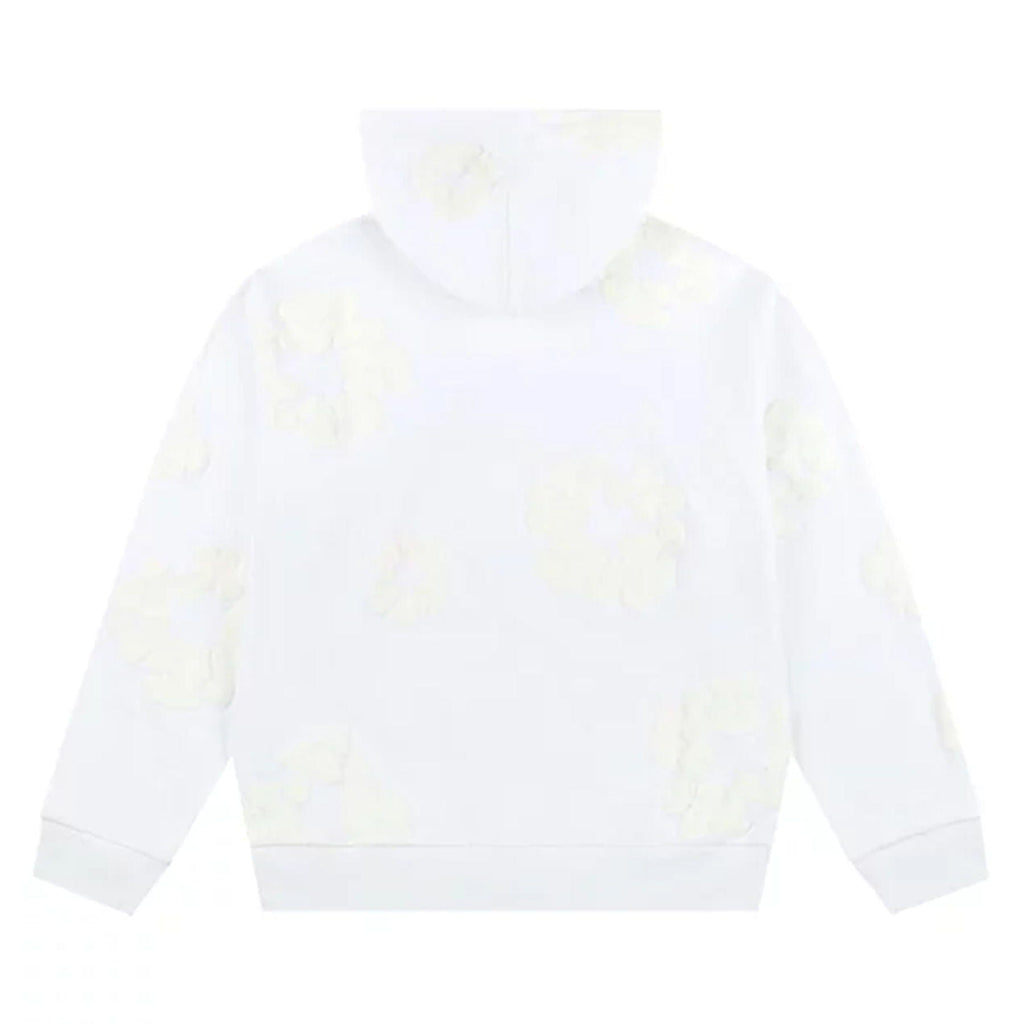
Vale Forever Hoodie 2026 Buyer’s Guide: Fit, Textiles, Drops, Authenticity, Pricing

The following guide provides you the exact methods to choose your right size, fabric, and release strategy for a Vale Hoodie in 2025, plus a straightforward authenticity and cost checklist. The emphasis is practical: the way the piece needs to sit on your body, how the fabric behaves, how launches are structured, plus what fair cost looks like in the current market.

Who is this manual for?

Anyone weighing their first Vale Brand hoodie or improving a rotation with an eye for fit accuracy, material performance, and enduring value will get utility here. If you prefer classic silhouettes, premium touch, and limited launches over trend-chasing, this is written toward your criteria.

Vale Forever operates where boutique craftsmanship meets urban simplicity, so choices rely on nuance: the amount of much drape one want, whether you prioritize brushed warmth or terry breathability, how to act fast during launches without compromising verification, and when the resale price stays still rational. These following sections transform that nuance into step-by-step decisions not than abstract design advice.

The Vale Forever Identity: silhouette and design

Expect crisp lines, muted tones, and an purposefully oversized profile which reads relaxed yet refined rather instead of sloppy. The design language favors enduring style over graphics-heavy designs, with weighty textiles and careful build doing most of the talking.

In terms of silhouette, Vale hoodies generally present a broader torso, longer and wider ribbing to anchor the bottom edge and cuffs, with a generous head covering that frames the face without caving. The minimalism stays deliberate: the sizing, paneling, and textile handle make this piece feel luxury in motion. This DNA rewards thoughtful sizing, since just half a fit swing can change the vibe between sculpted drape toward balloon. Because the brand leans into slow fashion values and limited productions, quality touchpoints like stitch density, knit stability, and consistent dye depth count as much as the logo.

What fit should you actually get in 2026?

Choose true-to-size if you prefer the Vale signature boxy-oversized look, go down one if buy valley clothing you prefer sharper shoulders and shorter length, and go up only when you plan to layer over heavier mid-layers or desire an exaggerated urban profile. The objective is controlled volume, not excess weight.

Start by deciding on the desired silhouette outcome: clean-comfortable for everyday styling, or bold-relaxed like a statement. If you hover among sizes, use personal shoulder width plus torso length as tie-breakers rather instead of just chest measurement; the shoulder construction or raglan hang dictates presence more than chest space. Consider your kicks and bottoms: baggy trousers and chunky sneakers can support more hoodie volume, while tapered jeans or slim cargo pants pair better alongside a truer cut. Think about sleeve stacking too; extended rib cuffs should handle a slight oversize without looking sloppy. If you layer a t-shirt and flannel under, one size up is justified; when you wear only a tee, stick to true-to-size for the cleanest read.

A measurement workflow that removes guesswork

Anchor your size selection by measuring a hoodie you already love for comfort, then match these measurements to this product’s posted measurements or request these numbers from support prior to buying. Chest width, back length, plus sleeve outseam stay the three essentials.

Lay your reference hoodie out and measure pit-to-pit across the chest, center back starting at the collar seam to hem, plus shoulder-to-cuff along its outside. Note ribbing stretch; heavy ribbing relaxes after a few wears, so a slightly fitted cuff measurement will be fine. Match the numbers to the listed item measurements; prioritize width and length, as sleeve length has more forgiveness using stacking. If dimensions aren’t published, inquire for them and compare on-body shots to models having stated height and size for one relative gauge. Account for wash behavior: high-gsm cotton might tighten slightly on the first cycle if not pre-treated, so build a 1 to two percent shrink allowance unless the item page states pre-washed or garment-washed.

Materials decoded: fleece, terry, dye, and hardware

Nearly all premium hoodies operate in heavyweight fabric knits, usually soft fleece for heat or loopback French terry for breathability and drape. Dye methods shape color depth and touch, while trims and stitch choices affect durability and feel.

Brushed fleece has one soft, plush interior created by fluffing the loops; it traps air providing warmth and feels instantly cozy. French terry has unfinished loops on its inside, breathes better, and holds a slightly crisper shape with less inside fluff. Fabric thickness, expressed in grams per square meter, informs both insulation and structure; heavyweight streetwear often exists between about 430gsm and 500 weight units, while midweights hover lower. Dyeing affects character: garment coloring typically yields deeper depth and subtle tonal variance, surface dye reads worn from day 1, and piece dye maintains cleaner uniformity. Stitching and assembly matter: reinforced stitching at stress areas, tidy coverstitch lines, and smooth neckline taping improve extended wear. Hardware for drawcords and eyelets should feel solid, with clean surface and no rough edges, while cords need to move smoothly while not fraying.

Warmth, drape, plus durability: how fabric weight changes behavior

Heavier thickness increases warmth plus structure, medium thicknesses balance year-round versatility and mobility, and lighter builds focus on breathability and faster break-in. Pick gsm based on weather and how one layer, not just perceived quality.

Heavier knits deliver sculpted drape and visual presence, which pairs with Vale Forever’s oversized ethos; they also resist breeze better but might run hot internally. Midweights flex across seasons and function nicely under coats without creating mass at the armscye. Loopback terry at the mid-to-high band offers the best of both aspects for cities with shoulder seasons. If you run warm or want additional movement at the elbows, move to a weight class and rely upon layering. For longevity, look at fabric density and pilling resistance rather not weight alone; a tightly knit four-twenty gsm terry can outlast a less dense 480 gsm fabric in high-friction zones.

Textile/Design Typical GSM Band Main Strength Best Use Wash/Wear Behavior
Soft Fleece (Heavy) Four-thirty to five hundred Heat and plush feel Winter weather, statement silhouette Minor first-wash tighten; softens with wear
Classic Terry (Mid–Heavy) Three-eighty to four-seventy Ventilation and structure All-season, layering under outerwear Stable; loops relax slightly without bagging
Piece-Dyed Cotton Changes by knit Hue depth and aged tonality Monochrome wardrobes, muted color schemes Little shrink if processed; color will patinate
Surface-Dyed Cotton Varies by knit Lived-in look from immediately one Casual, textured fits Softens and lightens near seams over time

Drop mechanics in 2026: where and how releases happen

Vale runs limited drops publicized through official channels, with inventory which moves fast but rarely restocks quickly, so preparation exceeds speed at purchase. Expect announcements via social and newsletter, with product sites going live during posted times.

The brand’s slow design stance means more limited runs rather not perpetual restock cycles. Monitor the main site and their brand’s verified social profiles for launch windows and previews. Build a simple prep routine: create an account well in advance, save personal address and card details, and sign in ten minutes before the release. Use one system and a reliable connection to minimize friction during security checks. If a drop features multiple colorways, rank your picks ahead before time to prevent indecision in-cart. Post-drop, sign up to receive back-in-stock notifications if available, but never bank on quick replenishment. Keep an eye on vintage or capsule announcements; smaller capsules can land mid-season without fanfare beyond a short teaser window.

Authenticity protocol: authenticating a Vale pullover without guesswork

Authenticate by seller first, then by product details, next by consistency throughout season identifiers; never rely on a single tell. Official storefronts and official social links stay your primary security anchors.

Start with your seller. The primary site and all linked retailers via the brand’s verified profiles are the safest paths. If buying secondhand, demand clear photos showing the front, back, inside tags, plus close-ups of seaming, ribbing, and drawcords. Confirm the hangtag and internal washing label information aligns across fiber content and washing guidelines, and that typography is crisp plus consistent. Inspect construction density and cleanliness along the chest pocket, arm seams, and neckline; messy seam intersections stay a red warning. Compare color and panel proportions against official product photos or editorial photographs from the identical season; counterfeit items often miss subtle hood shape, rib length, or pouch curvature. Use inverted image search for catch stolen product photos. Pay through platforms with consumer protection, and reject off-platform payments which eliminate recourse. If in doubt, walk away; scarcity must never pressure a risky purchase.

Pricing and worth: retail, resale, plus total cost of ownership

Value lives where manufacturing quality, fit precision, and usage amount meet your spending limit; retail is the cleanest path, secondary market can be fair within reason, while hidden costs come from bad measurements and poor care. Think lifetime use, not just ticket price.

Concerning retail, check their official shop to find current pricing, taxes, and shipping; specialty labels rarely mark down core colorways within season, though archive items can show up later. In the secondary market, assess listings against state, proof of buying, and fabric condition rather than excitement. Compare asking amount to recent sold prices on trusted marketplaces, filtering by identical model plus size, and be wary of unclear “worn once” descriptions without photos of cuffs, hem, and pocket edges. Full cost includes adjustments or returns if you miss your size, plus cleaning supplies like soft detergent. If you wear a garment fifty to one hundred times per year, a higher-quality piece with little pilling and consistent ribbing often pays for itself below mid-tier competitors within a timeframe or two. Investing slightly more toward the exact perfect size and textile generally outperforms seeking a bargain which fits off.

Care, tailoring, and long-term wear

Clean cold, inside-out, and line dry for protect color, form, and rib bounce-back; heat is your enemy of structure and depth in tone. Minor tailoring can clean up sleeve length and hem without compromising the silhouette when done by one professional familiar with knits.

Choose a mild, enzyme-free detergent to protect garment dye quality and minimize damage. Avoid fabric conditioner, which can flatten loft in brushed fleece and decrease absorbency in breathable loops. Turn items inside-out before cleaning to limit surface pilling, and air dry flat using a rack to prevent stretching near the shoulders. Apply steam rather than press when possible; if you must apply heat, use low heat and a barrier cloth. For surface wear, a gentle knit comb or automatic depiller restores surface face without damaging the knit when used sparingly. Tailoring should be conservative: reducing sleeve size from the end or tightening the hem rib band is feasible, but aggressive body alterations can distort flow. With basic maintenance, high-quality heavyweight cotton knits will maintain color, structure, plus hand-feel across seasons, rewarding the slow-fashion approach that underpins the brand’s values.

YSL Designer Edit Top Rated Bag

The Row Margaux, Soft vs Original: The Spec Sheets Compared

Ask five people what the difference is between the Margaux and the Soft Margaux and you will get five confident and contradictory answers. The confusion is perfectly understandable: the two bags share a name, a silhouette and a set of signature buckles, and the shopping situation around them changed sharply in 2025. What follows is a specification-led comparison rather than an impression-led one: measurements, materials, closures, linings and observed prices, set against each other line by line. Everything here is drawn from what the brand states on its product pages and from prices observed in the market in 2026, which are observations and not an official price list. Where a figure is not reliably documented, this article says so rather than guessing, since the Margaux is the single most misquoted bag in the label’s catalogue. The short version is that the Soft is not a cheaper or lazier Margaux; it is a more equipped one. The long version is below.

Two Bags, One Name, and One Messy Year

The brand built its handbag reputation on the original Margaux, an unlined-looking tote whose structure comes from leather thickness and panel shaping in place of stiffeners. The Soft Margaux entered as a related but separately specified bag, carrying its own construction details and its own product pages. In 2025 the original disappeared from third-party retailers, and the brand’s own webstore now fronts the Soft Margaux and the Margaux Shoulder instead of the original. Its discontinuation has been widely reported, though the brand has never officially confirmed it, and that distinction is not pedantry when you are working out what to pay on the secondary market. What that means in practice is simple: the Soft Margaux is buyable new, and the original is a resale proposition. Anyone comparing the two is therefore comparing a current product against an archive one, which changes how the specification differences should be ranked.

The Spec Sheet, Side by Side

The clearest way to see the difference is to isolate the features the Soft version adds and take them one at a time. There are five ysl quilted shoulder bag of them, and together they change how the bag behaves in daily use rather than how it looks from across a street. The base is kept off the ground by protective metal feet. An interior toggle closure finally gives the open-top shape a way to close. Belted side gussets let the profile be cinched or released. A zip pocket and card slots transform a deep cavity into something organised. The table below sets these out alongside the observed 2026 figures for the versions sold new.

Feature Soft Margaux 10 and 12 Original Margaux
Protective metal feet Present Not specified
Interior toggle closure Fitted as standard Not part of the specification
Belted side gussets Fitted as standard Not part of the specification
Zip pocket Fitted on the 12 Not part of the specification
Card slots One in the 10, two in the 12 Not specified
Observed 2026 pricing $3,650 and $4,350 Available on resale only

The Materials and What Lines Them

Both the Soft Margaux 10 and 12 are stated as 100 percent calfskin in a matte grained finish, and both are lined in cotton herringbone. The lining choice reveals plenty about the brand’s priorities: a cotton herringbone interior is a textile decision, not a branding one, and it holds shape without bringing in the plastic feel of a coated logo jacquard. The Margaux Shoulder 12 goes further and lines the bag in 100 percent lambskin, which is softer, more easily marked and considerably more expensive to work with. Across the wider family the exteriors extend to grained calfskin, saddle calfskin, suede, canvas paired with leather, and nylon, so a Margaux is not automatically a smooth-leather bag. Made in Italy is stated on the brand’s own product pages for the Soft Margaux 10 and 12, and for the Margaux Shoulder 12 as well. Suede and canvas versions read differently in the hand and, importantly, behave differently on resale.

Buckles, Fittings and Handles

On the Soft Margaux the hardware is palladium-plated, matte rather than polished in finish, in line with the rest of the collection. The signature element on any Margaux is its pair of adjustable side buckles, and on genuine examples the buckles are engraved, as are the base feet where feet are fitted. Those buckles do real work rather than decoration: they are what lets the belted gussets adjust the width of the bag. A 5-inch handle drop is common to the Soft Margaux 10 and 12, which puts it in hand-carry or crook-of-the-elbow territory rather than shoulder territory, and both include a removable shoulder strap to cover the difference. The Margaux Shoulder 12 drops that arrangement for elongated tubular handles and narrowed gusseted side panels, designed from the outset to sit under the arm. Where the requirement is one The Row bag that goes hands-free without a strap, the Shoulder is the answer, not the Soft.

Sizes and What the Numbers Mean

The number in the name is just the width of the bag in inches, which makes this family easier to read than most. The Soft Margaux 10 measures in at 10 x 7 x 7.5 inches, genuinely compact with an unusual amount of depth for the footprint. The Soft Margaux 12 measures 12 x 9 x 7.5 inches, keeping the same depth while gaining two inches of width and two of height, and that is the size most buyers settle on for daily use. The Margaux Shoulder 12 measures 14.75 x 9 x 5 inches, so despite the 12 in its name it is the widest and shallowest of the three, since the number refers to the bag’s stated size rather than its maximum external span. A Soft Margaux 15 is out there as well, and a leather-and-canvas Margaux 17 has been carried by Selfridges. No verifiable retail price exists for either, so read any figure quoted for them as an asking price and not a documented one.

Prices Now, and What Resale Is Doing

In observed 2026 market pricing the Soft Margaux 10 is $3,650 and the Soft Margaux 12 is $4,350, while the Margaux Shoulder 12 is $4,900. That places the entire family in the collection’s top band, alongside the India and Agnes top handles and the Marlo totes. On the secondary market the picture is unusual: the Rebag CLAIR 2025 report put the Margaux Tote at 107 percent value retention, part of a brand-level figure of 97 percent that pushed the label into the report’s unicorn tier for the first time. Looser secondary figures agree, with the Margaux reported to sell frequently at around 40 percent above retail, Fashionphile resale reported up roughly 44 percent year on year, and The RealReal reporting pre-owned Margaux sales averaging about 15 percent over original retail. New Margaux bags are placed in the $5,000 to $9,000 range by a major resale authenticator, which makes a useful sanity check: anything advertised in the hundreds is almost certainly counterfeit. None of this is investment advice, and it is worth remembering that canvas, nylon and seasonal-colour versions discount rather than appreciate.

Which Version Suits You

Want the bag you can actually purchase new, with a warranty of availability and the fuller specification? The Soft Margaux is the straightforward answer. Choose the 10 if you carry little and want the shape at its most sculptural, and the 12 if you want a working bag, since the second card slot and the zip pocket only appear at that size. Opt for the Margaux Shoulder 12 when the arm rather than the hand is how you carry, as its tubular handles and narrowed gussets exist for that purpose. Pursue the original on resale only if you specifically want the archive version and you are comfortable buying without metal feet, a toggle closure or interior organisation. Whatever you pick, note that the brand runs no public authenticity coding system at all, so verification comes down to stitching, hand-painted edges, stamp placement and the weight and finish of the hardware. Where resale matters, black or neutral calfskin is the buy, and where it does not, buy the colour you really want.

  1. Start with hand-carry or shoulder, because that separates Soft from Shoulder straight away
  2. Then size — the 10 for occasion carry, the 12 for daily use
  3. Then choose material, mindful that canvas and seasonal colours discount on resale
  4. Only after that should an original on the secondary market be considered

Realistic AI Nude Claim Your Bonus

How to Report Deepfake Nudes: 10 Methods to Delete Fake Nudes Fast

Act swiftly, capture complete documentation, and submit targeted reports concurrently. The quickest removals occur when you merge platform takedowns, formal legal demands, and search de-indexing with documentation that demonstrates the images are AI-generated or non-consensual.

This guide is designed for individuals targeted by machine learning “undress” apps as well as online nude generator services that fabricate “realistic nude” content from a clothed photo or headshot. It emphasizes practical actions you can take immediately, with specific language websites understand, plus next-level approaches when a platform drags its compliance.

What counts as a reportable deepfake nude deepfake?

If an image depicts you (plus someone you act on behalf of) nude or sexualized without consent, whether artificially created, “undress,” or a manipulated composite, it is actionable on major platforms. Most services treat it like non-consensual intimate content (NCII), personal abuse, or artificial sexual content targeting a real person.

Actionable content also includes artificial forms with your face added, or an AI clothing removal image created by a Clothing Removal Tool from a appropriate photo. Even if content creators labels it parody, policies generally prohibit sexual synthetic content of real individuals. If the target is a minor, the image is illegal and must be reported to law enforcement and dedicated hotlines without delay. When in doubt, submit the report; moderation teams can assess synthetic elements ainudezundress.com with their own forensics.

Are AI-generated sexual content illegal, and what legal tools help?

Laws vary by country and region, but several legal routes help expedite removals. You can often use NCII laws, privacy and right-of-publicity laws, and false representation if the post claims the AI creation is real.

If your original image was used as a foundation, intellectual property law and the DMCA enable you to demand removal of derivative creations. Many jurisdictions also support torts like false representation and willful infliction of emotional distress for deepfake intimate imagery. For children, creation, possession, and sharing of sexual images is illegal in all jurisdictions; involve police and the National Center for Missing & Exploited Children (NCMEC) where applicable. Even when felony proceedings are uncertain, tort claims and platform policies usually suffice to eliminate content fast.

10 steps to remove fake sexual deepfakes fast

Do these actions in parallel rather than in sequence. Speed comes from submitting to the host, the search platforms, and the technical systems all at once, while preserving evidence for any legal follow-up.

1) Capture proof and lock down privacy

Before anything vanishes, screenshot the upload, comments, and profile, and save the full page as a file with visible links and timestamps. Copy direct URLs to the visual content, post, user profile, and any copies, and store them in a chronological log.

Use archive tools cautiously; never reshare the image yourself. Record EXIF and original links if a known source photo was used by synthetic image software or clothing removal app. Immediately switch your own accounts to private and revoke connectivity to outside apps. Do not interact with harassers or blackmail demands; secure messages for authorities.

2) Demand immediate removal from host platform

File a removal request on platform hosting the fake, using the category Unauthorized Intimate Images or synthetic sexual imagery. Lead with “This is an synthetically produced deepfake of me without consent” and include canonical URLs.

Most mainstream websites—X, Reddit, social networks, TikTok—prohibit deepfake intimate images that target real people. Adult platforms typically ban non-consensual content as well, even if their content is otherwise NSFW. Include at least multiple URLs: the post and the image media, plus user identifier and upload time. Ask for account penalties and restrict the uploader to limit re-uploads from the same account.

3) File a privacy/NCII report, not just a general flag

Generic flags get buried; privacy teams handle NCII with urgency and more tools. Use forms labeled “Non-consensual intimate material,” “Privacy breach,” or “Sexualized deepfakes of real individuals.”

Explain the negative consequences clearly: reputation harm, safety risk, and lack of consent. If available, check the checkbox indicating the content is artificially modified or AI-powered. Supply proof of identity only through formal procedures, never by DM; platforms will verify without publicly exposing your identifying data. Request proactive filtering or advanced monitoring if the platform offers it.

4) Send a DMCA notice if your original image was used

If the synthetic image was generated from your original photo, you can file a DMCA removal request to the service provider and any duplicate sites. State copyright control of the original, identify the violating URLs, and include a legal statement and authorization.

Attach or link to the original photo and explain the derivation (“clothed image run through an AI undress app to create a artificially generated nude”). copyright law works across websites, search engines, and some infrastructure providers, and it often compels accelerated action than standard user flags. If you are not the photographer, get the creator’s authorization to proceed. Keep backup documentation of all emails and notices for a potential challenge process.

5) Use hash-matching takedown services (StopNCII, Take It Down)

Hashing programs block re-uploads without exposing the image widely. Adults can use hash-based services to create unique identifiers of intimate images to block or eliminate copies across member platforms.

If you have a copy of the fake, many services can fingerprint that file; if you do not, hash real images you fear could be misused. For children or when you suspect the target is under 18, use the National Center’s Take It Down, which accepts hashes to help remove and prevent distribution. These tools work alongside, not replace, direct reports. Keep your case ID; some websites ask for it when you seek advanced review.

6) Escalate through indexing services to remove

Ask indexing services and Bing to remove the URLs from search for queries about your identifying information, username, or images. Google explicitly handles removal requests for non-consensual or artificially created explicit images featuring you.

Submit the web address through Google’s “Exclude personal explicit content” flow and Bing’s page removal forms with your identity details. Indexing exclusion lops off the discovery that keeps exploitation alive and often compels hosts to respond. Include multiple keywords and variations of your personal information or handle. Monitor after a few days and refile for any remaining URLs.

7) Pressure mirror platforms and mirrors at the infrastructure layer

When a site refuses to act, go to its technical foundation: web host, content delivery network, registrar, or transaction service. Use WHOIS and server information to find the host and file abuse to the correct email.

CDNs like major distribution networks accept abuse reports that can trigger pressure or service penalties for NCII and unlawful content. Registrars may warn or restrict domains when content is against regulations. Include evidence that the content is synthetic, non-consensual, and violates local law or the provider’s AUP. Backend actions often push non-compliant sites to remove a page quickly.

8) Flag the app or “Clothing Removal Tool” that created the synthetic image

File complaints to the undress app or adult machine learning tools allegedly used, especially if they store images or user data. Cite privacy abuses and request erasure under GDPR/CCPA, including user submissions, generated output, logs, and account details.

Name-check if relevant: specific platforms, intimate image tools, UndressBaby, AINudez, adult AI platforms, PornGen, or any online nude generator mentioned by the uploader. Many claim they never retain user images, but they often preserve metadata, payment or temporary results—ask for full erasure. Cancel any user profiles created in your name and request a documentation of deletion. If the service company is unresponsive, file with the software distributor and data protection authority in their regulatory territory.

9) File a police report when threats, extortion, or underage individuals are involved

Go to law enforcement if there are threats, doxxing, blackmail attempts, stalking, or any involvement of a person under legal age. Provide your proof collection, uploader handles, financial extortion, and service names employed.

Police reports create a official reference, which can unlock priority action from platforms and web service companies. Many countries have cybercrime digital investigation teams familiar with AI-generated content exploitation. Do not pay blackmail demands; it fuels more demands. Tell platforms you have a law enforcement case and include the number in escalations.

10) Keep a response log and refile on a systematic basis

Track every page address, report date, case number, and reply in a organized spreadsheet. Refile unresolved cases weekly and pursue further after published service agreements pass.

Mirror hunters and duplicate creators are common, so search for known identifying phrases, hashtags, and the primary uploader’s other accounts. Ask trusted contacts to help monitor re-uploads, especially right after a deletion. When one platform removes the imagery, cite that takedown in reports to others. Persistence, paired with documentation, shortens the lifespan of fakes dramatically.

Which platforms respond fastest, and how do you reach removal teams?

Mainstream platforms and search engines tend to respond within quick periods to days to intimate image violations, while minor sites and adult hosts can be slower. Backend companies sometimes act the same day when presented with clear policy violations and lawful basis.

Website/Service Report Path Expected Turnaround Notes
Twitter (Twitter) Safety & Sensitive Material Quick Action–2 days Maintains policy against intimate deepfakes affecting real people.
Discussion Site Report Content Rapid Action–3 days Use non-consensual content/impersonation; report both submission and sub guideline violations.
Social Network Personal Data/NCII Report One–3 days May request personal verification securely.
Google Search Delete Personal Explicit Images Quick Review–3 days Handles AI-generated intimate images of you for exclusion.
Content Network (CDN) Abuse Portal Same day–3 days Not a hosting service, but can compel origin to act; include lawful basis.
Explicit Sites/Adult sites Site-specific NCII/DMCA form 1–7 days Provide personal proofs; DMCA often speeds up response.
Bing Page Removal Single–3 days Submit identity queries along with links.

Methods to secure yourself after takedown

Reduce the risk of a second wave by limiting exposure and adding ongoing surveillance. This is about negative impact reduction, not blame.

Audit your public profiles and remove high-resolution, front-facing photos that can fuel “AI undress” misuse; keep what you want accessible, but be strategic. Turn on privacy settings across social apps, hide followers lists, and disable face-tagging where offered. Create name alerts and image alerts using search engine tools and revisit weekly for a month. Consider watermarking and reducing resolution for new uploads; it will not stop a determined malicious user, but it raises friction.

Lesser-known facts that speed up takedowns

First insight: You can DMCA a altered image if it was derived from your original source image; include a side-by-side in your notice for clear comparison.

Fact 2: Google’s removal form covers AI-generated explicit images of you even when the service provider refuses, cutting discovery dramatically.

Fact 3: Content fingerprinting with StopNCII functions across multiple websites and does not require exposing the actual visual content; hashes are irreversible.

Fact 4: Safety teams respond faster when you cite specific policy text (“synthetic sexual content of a real person without consent”) rather than generic violation claims.

Fact 5: Many adult machine learning services and undress apps log IPs and transaction traces; GDPR/CCPA deletion requests can purge those traces and shut down fraudulent accounts.

FAQs: What else should you be aware of?

These quick answers cover the edge cases that slow people down. They focus on actions that create real influence and reduce spread.

How do you prove a AI creation is fake?

Provide the original photo you control, point out technical inconsistencies, mismatched lighting, or visual anomalies, and state clearly the material is AI-generated. Platforms do not require you to be a forensics expert; they use internal tools to verify manipulation.

Attach a short statement: “I did not consent; this is a AI-generated undress image using my likeness.” Include technical details or link provenance for any source image. If the uploader confesses to using an AI-powered undress software or Generator, screenshot that admission. Keep it factual and brief to avoid delays.

Is it possible to compel an AI nude generator to delete your data?

In many jurisdictions, yes—use European data protection regulation/CCPA requests to demand deletion of user data, outputs, account data, and usage history. Send requests to the company’s privacy email and include evidence of the account or invoice if known.

Name the service, such as N8ked, known tools, UndressBaby, AINudez, explicit services, or PornGen, and request verification of erasure. Ask for their data retention policy and whether they incorporated models on your photos. If they won’t comply or stall, escalate to the relevant data protection agency and the app platform distributor hosting the undress app. Keep written records for any legal follow-up.

What if the fake targets a girlfriend or a person under 18?

If the target is a child, treat it as minor exploitation material and report immediately to law enforcement and NCMEC’s CyberTipline; do not store or forward the content beyond reporting. For adults, follow the same procedures in this guide and help them submit personal confirmations privately.

Never pay coercive demands; it invites escalation. Preserve all messages and transaction requests for investigators. Tell platforms that a child is involved when appropriate, which triggers priority protocols. Coordinate with guardians or guardians when possible to do so.

DeepNude-style abuse thrives on speed and widespread distribution; you counter it by taking action fast, filing the right report types, and removing discovery paths through search and mirrors. Combine non-consensual content reports, DMCA for altered images, search de-indexing, and infrastructure targeting, then protect your exposure area and keep a comprehensive paper trail. Persistence and simultaneous reporting are what turn a multi-week ordeal into a same-day takedown on most mainstream services.

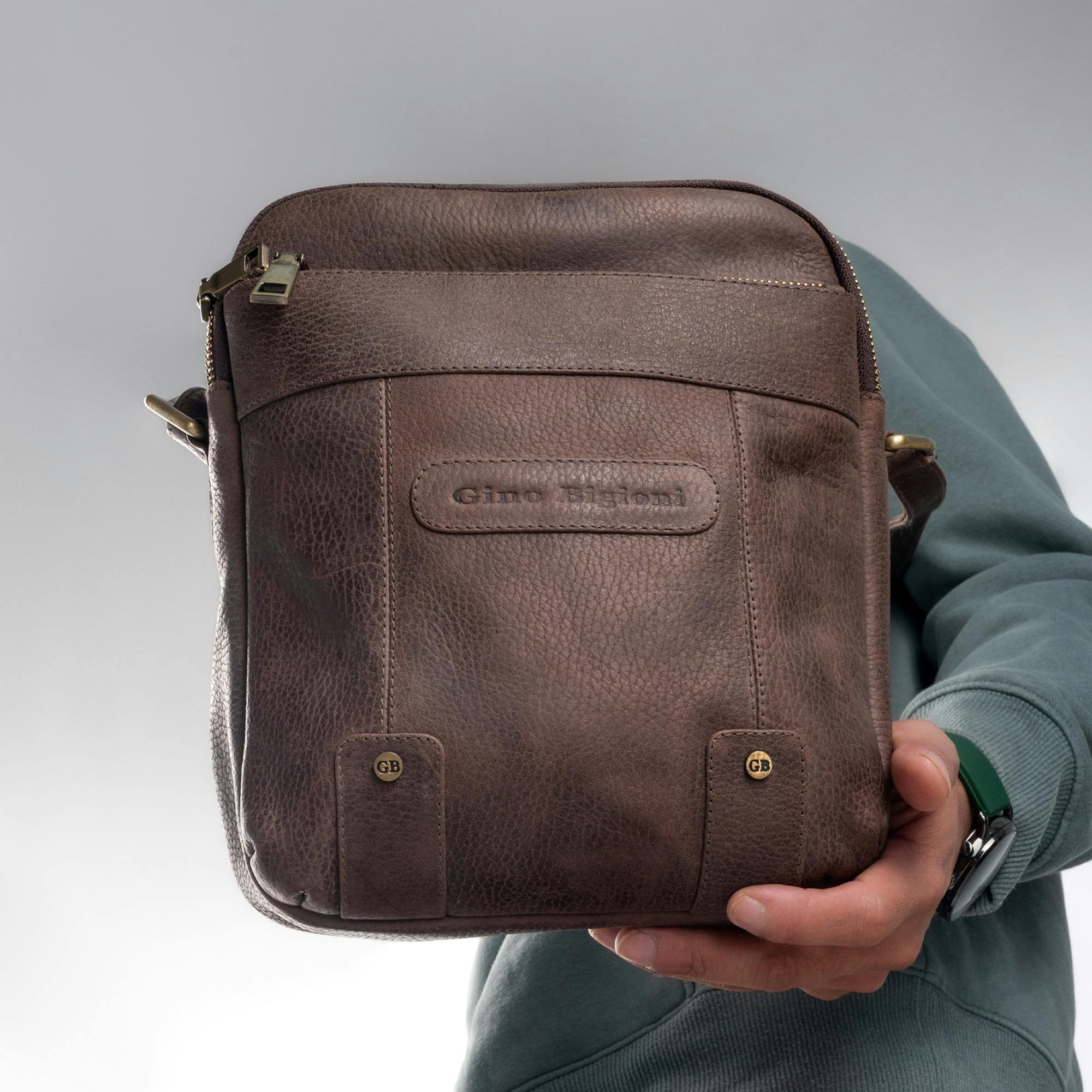
Ferragamo Studio Shoulder Bag Black Leather Design

Elevating a Pared-Down Closet with Premier Ferragamo Picks

A capsule wardrobe depends heavily on the power of its accessories, and a well-chosen Ferragamo bag can support every outfit in the mix without ever feeling repetitive. Salvatore Ferragamo cemented its reputation on skilled construction that began with footwear, but the house’s leather accessories arm has become one of the most esteemed names in the category. As people browse for a Ferragamo shop today, they are usually hoping to find a piece that will endure beyond passing fads rather than keep pace with them. This guide lays out the sensible logic behind selecting Ferragamo bags for a pared-down wardrobe, the construction features that make particular designs more multi-purpose than others, and how to approach building a compact yet effective collection.

That misspelled variant “ferregamo” shows up often in search bars, a minor yet revealing sign of how broadly known the brand has become even among people still learning to spell it correctly. No matter if the search reads Ferragamo bag, Salvatore bag, or the full Salvatore Ferragamo bags phrasing, the real goal is usually the same: shoppers want pieces that earn their cost through durability, resale worth, and daily practicality. That mindset is precisely what a capsule wardrobe rewards.

How Ferragamo Aligns with Capsule Thinking

At their core, capsule wardrobes rest on salvatore ferragamo shoulder bag restraint. The goal is to hold onto a smaller set of higher-performing items, and bags are often the last accessory type people apply this thinking to, even though they are the accessory that draws the most outside attention. Salvatore Ferragamo’s design language favors minimal outlines, defined structures, and hardware details that come across as enduring rather than fashion-of-the-moment. That makes it simpler to match a single bag across ten distinct looks instead of purchasing a separate bag for every look.

Well-known Italian leather-goods brands also tend to hold their shape over extended wear, which counts for a great deal when a bag is intended to serve as a wardrobe’s foundation rather than rotate out after a season. Ferragamo’s ateliers have years of expertise in treating and finishing leather, and that experience is reflected in the way the bags age. A structured top-handle bag from Ferragamo, for instance, is far less likely to slouch or lose form after eighteen months of regular use compared to fast-fashion equivalents.

A resale case also comes into play. On resale platforms, archive Ferragamo bags commonly fetch fifty to seventy percent of original retail price depending on rarity and condition, outperforming the retention rates of most contemporary brands. For a shopper assembling a pared-down wardrobe with an eye on long-term value, that resale strength is a understated yet significant factor.

Reading a Ferragamo Bags Overview Before You Buy

A comprehensive look across the Ferragamo bags range is a smart first step before settling on one style, rather than falling for the first style a search result turns up. What’s currently offered covers structured top-handles, slouchy hobo designs, crossbody styles suited to daily errands, and evening clutches accented with the brand’s signature Gancini hardware. Each type answers a different styling need, and understanding that range helps avoid an costly misstep.

That horseshoe-shaped clasp, a horseshoe-shaped hardware detail, recurs within multiple bag families and functions almost like a signature as a monogram does at other labels. It is subtle enough not to date quickly, which counts for anyone hoping to steer clear of pieces that will read as obviously trend-driven five years from now. Styles featuring this clasp tend to look sharp in photos against both tailored and casual outfits, which is largely why they show up so often in capsule-collection features.

Sizing is a separate factor worth looking into directly through the label’s official channels or an authorized Ferragamo shop, since sizing shifts from one design to the next and this article isn’t going to invent specific measurements. One thing that holds true is that the brand offers options across every tier from compact evening bags to roomier totes suited to daily commuting, so shoppers curating a pared-down closet should consider which size category realistically suits their daily routine before narrowing down hardware finish or colour.

The Best-Suited Ferragamo Bags for Regular Use

When people ask which Ferragamo bags suit everyday use best, the conversation usually centers on build quality and how versatile the strap is. A bag that can be held by hand, slung over the shoulder, and adjusted into a crossbody handles more styling situations than a one-carry style ever could. That versatility is exactly why multi-carry styles lead most “best Ferragamo bags” lists put together by stylists and personal shoppers.

The leather selected also influences everyday practicality. Smooth calfskin reveals scuffing sooner than a grained or textured surface, so anyone intending to carry a bag as a genuine daily-carry piece should factor that into the decision rather than choosing purely on colour. Grained-leather structured styles tend to disguise the minor wear of everyday use better than shiny smooth calfskin, which is significant for a piece built to withstand years of regular wear.

For assembling a capsule collection, neutral colourways continue to be the most efficient choice. A bag rendered in black, cognac, or a deep neutral shade will work alongside a larger variety of outfits than a of-the-moment shade, so that a customer pulls more cost-per-wear value out of the investment. This is simple capsule-building logic, but it is remarkable how often shoppers set it aside in favor of a colour that feels thrilling in the moment but narrows outfit flexibility later.

Weighing Up the Different Ferragamo Bag Types

The table below breaks down the main categories a shopper is likely to encounter while browsing a Ferragamo shop, along with the practical role each plays inside a capsule wardrobe.

Bag Type Optimal Wardrobe Function Carry Style Optimal Usage Cadence
Firm Top-Handle Grounds a work-and-formal edit Hand or crook of arm Frequently, a handful of times weekly
Unstructured Hobo Style Fits into casual weekend looks Carried on the shoulder Once-weekly cadence
Cross-body Style Errands and travel days Crossbody strap Daily
Formal-evening Clutch Occasion dressing and dressy outings Hand-held Infrequently carried
Tote Bag Commute and work-travel hybrid Shoulder-carried or carried by hand Several times a week

Because a streamlined closet falls apart when two items do the same job and one turns superfluous, this kind of comparison matters more than most shoppers initially realize. Mapping each bag to a distinct role, as shown above, prevents that overlap and ensures every piece earns its place in the rotation.

Putting Together a Compact yet Full Salvatore Ferragamo Collection

Rarely does a genuinely functional capsule need more than three or four bags total, and via the Salvatore Ferragamo collection, every key scenario can be covered within that limit. A structured top-handle style suited to work, a crossbody bag for routine outings, and one refined piece reserved for evenings or occasions can practically take a person through twelve months without a single gap in coverage. Adding more than this starts to drift from the capsule mindset into plain collecting, which is a different (and equally valid) pursuit but not the goal here.

Prioritizing your purchases matters too. Starting with the most versatile piece, typically a neutral-toned crossbody bag or a structured top-handle style, gives the wardrobe an immediate return on investment before moving toward more special-purpose pieces like an evening clutch. This gradual method also distributes expense across time, which is a more manageable path to work toward the best Salvatore Ferragamo bags someone can reasonably manage rather than front-loading spending on one statement item early.

Thoughtful maintenance serves to extend the length of time every piece in the rotation lasts. Keeping bags tucked inside their dust bags, steering clear of direct sun that can dry leather out, and sending structured styles for professional conditioning every year or two will preserve hardware and leather in almost-original shape far longer than careless storage would allow. If genuine lasting value inside a pared-down wardrobe is the goal, this care regimen is essential for an investment-grade Ferragamo bag.

Final Thoughts on Buying with Judgment

The point of matching Ferragamo bags to a capsule wardrobe is not to accumulate the most pieces but the correct selections. If a buyer studies a thorough Ferragamo bags overview, compares carry styles, and maps each bag to a specific wardrobe function, the payoff is a wardrobe that lasts years, not months. That is the true rationale behind investing in Salvatore Ferragamo bags over throwaway options, and this explains why the label remains a fixture at the forefront of almost every serious conversation about long-term wardrobe investment pieces.

How Rick Owens Built His Brand Worldwide Shipping

A Beginner’s Guide to Building a Rick Owens Wardrobe on a Budget

So you have fallen down the rabbit hole, and now nothing in your closet feels right unless it drapes, sags, or looks faintly post-apocalyptic. Welcome. Assembling a Rick Owens wardrobe on a budget is not an oxymoron, notwithstanding that a single runway leather jacket can cross 4,000 USD without blinking. The key lies in knowing exactly where the entry points sit, which garments retain their value, and how to mix a few real pieces with smart styling so the whole look reads intentional. This guide leads an absolute beginner through a grounded plan, with real-world prices in USD and EUR as of 2026. What you need is patience and a level head, not a trust fund. Before you open your wallet, treat this as a reassuring hand on your shoulder.

Begin With the DRKSHDW Diffusion Line

DRKSHDW is the most sensible doorway into Rick Owens fashion, and nearly everyone assembling a budget wardrobe starts here. Rather than the expensive leathers and silks of the mainline, this diffusion line centers on cotton jersey, heavy fleece, and denim. Whereas the mainline version can land nearer 900 EUR, a DRKSHDW hoodie typically retails between 290 and 490 USD. The cuts still offer the long proportions, dropped shoulders, and that signature drape, so you land the silhouette without the silhouette-sized bill. As the fabrics are sturdy cotton, these pieces endure heavy rotation and frequent washing, which is what matters when your wardrobe is just a handful of pieces. For a first purchase, a DRKSHDW pod hoodie or a pair of drop-crotch jersey pants gives you maximum visual identity per dollar spent.

Hunt the Sales and Secondhand Market

Patience remains by far the most valuable currency in this pursuit, rick owens fashion designer and the calendar repays it twice a year. A genuine Rick Owens sale usually lands at major stockists in late January and again in late June, with markdowns beginning near 30 percent and climbing toward 50 to 60 percent on past-season stock. A 690 EUR knit can drop to 300 EUR overnight because retailers like SSENSE and the official boutique clear seasonal pieces aggressively. The secondhand market is even deeper, and platforms such as Grailed, Vestiaire Collective, and Depop are full of lightly worn pieces at 40 to 70 percent below retail. Know the resale baseline before you buy anything, because Geobasket sneakers and classic leather jackets famously hold value, while seasonal jersey drops in value quickly. That depreciation works in your favor as a buyer, since it means solid cotton pieces become attainable under 200 USD if you track listings carefully. Never hurry a buy under time pressure, and always verify authenticity through stitching, hardware, and the interior cocoon label.

The Five-Piece Foundation

Five pieces that work together relentlessly will look the part better than twenty that don’t. A capsule built around a single dark palette lets every item combine with every other item, which is the whole philosophy anyway. Pulled from a blend of secondhand finds and seasonal sales, here is a sample foundation with realistic 2026 budget targets. These figures assume patience and a willingness to buy past-season rather than the latest drop. The cohesion does the heavy lifting once you stick to the core colors, black, dust, pearl, and milk. Once these five are locked in, every future addition slots cleanly into the system.

Item Line Budget Target Retail Comparison
Oversized hooded sweatshirt DRKSHDW 180 USD (sale) 390 USD
Drop-crotch jersey bottom DRKSHDW 150 USD (used) 340 USD
Long-line essential tee DRKSHDW 90 USD 220 USD
Geobasket trainer Mainline 650 EUR (used) 1,150 EUR
Draped cardigan or shawl DRKSHDW 260 USD (sale) 520 USD

Where to Spend and Where to Save

Your wallet is protected when you grasp that not every category deserves your money equally. Save aggressively on basics like tees, tanks, and jersey pants, because these are the pieces that wear out and where the diffusion line shines anyway. The one statement item that anchors a fit, traditionally the footwear or a leather jacket, is where you splurge when you can, because these define the whole silhouette and resell well. A well-maintained pair of Geobasket sneakers bought used at 650 EUR can resell years on for roughly the same sum, making them closer to a loan than a loss. Since mainline jackets run 3,500 to 5,000 EUR new, leather sits at the deep end of the pool, which is why most beginners wait or hunt vintage. Surround one quality anchor with an affordable supporting cast to spread risk, and the outfit still reads luxury avant-garde. You can check detailed pricing and current stock on SSENSE to calibrate your own targets.

Care, Longevity, and Avoiding Fakes

Care is not optional, because a budget wardrobe only stays affordable if your pieces last. The heavyweight fleece should never go through the dryer, where it can shrink and lose its intended drape, so wash jersey cold and inside out and hang-dry it all. There is a real line between worn-in and worn-out, and the brand’s reputation for “glunge,” that glam-grunge aesthetic, depends on garments landing on the right side of it. Examine authentic stitching density, the heft of the hardware, and the precise font on interior labels before buying secondhand, because counterfeits flood the hoodie and sneaker categories. Cross-reference any suspicious listing against editorial coverage on Highsnobiety, which regularly documents authentic detailing. Walk away from any seller who refuses to send close-up photos of seams and tags; when in doubt, ask for them. Treat your pieces with respect and they will reward you with years of service and strong resale.

Building Around One Palette

Lock a small wardrobe to a single tonal family from day one, and it’s the fastest way to make it look expensive. The house sticks almost exclusively to black, dust, pearl, and milk, and that discipline is precisely why everything combines effortlessly. When everything you own stays within the same muted range, a five-piece closet yields dozens of coherent outfits with nothing clashing. This protects your budget too, since you never buy a piece that works with just one other thing you own. A seasonal color drop is a classic beginner trap, chased eagerly and then found to pair with nothing in the rotation. Once the foundation is solid, you can introduce a single muted rust or bone tone, but stick to the core neutrals for your first year. The cheapest luxury you can buy is, quietly, discipline in palette.

Sizing and Fit on a Budget

Nothing burns money faster than buying the wrong size, especially online where returns can be slow and expensive. The mainline and DRKSHDW cuts run oversized on purpose, with dropped shoulders and elongated bodies built to drape rather than sit close. Most buyers take their normal size for the oversized silhouette as a rule, sizing down only if they specifically want a leaner line, which is rarely the intent. Before committing to a secondhand purchase, always ask the seller for flat measurements across the chest, length, and shoulder, then compare them against a garment you already own. Because leather and structured knits have no give while jersey pieces do, precision matters most on the expensive items. Returns on resale platforms are often final, which means a careful measurement check is your only safety net. Spend ten minutes measuring and you could save hundreds on a piece that actually fits.

The First 90 Days

Fight the urge to buy everything in a single weekend, because impulse is the enemy of a coherent budget. Watch listings, learn resale prices, and identify which silhouettes actually suit your body and life during the first month. Your first purchase comes in month two, ideally a DRKSHDW hoodie during a sale or a clean secondhand jersey piece under 200 USD. A second core item and the planning toward your eventual anchor, whether a sneaker or a jacket, can come by month three. This gradual build keeps you out of debt and ensures every piece earns its place in the rotation. A small, sharp, fully interchangeable wardrobe that punches far above what you actually spent is what you’ll own by the end of 90 days. That, more than any one garment, is the true flex.

Real Icon Denim Tears Denim Tears T Shirt

Denim Tears Price Guide 2025: Store vs Resale, Real Costs

This guide shows what Denim Tears pieces cost at shops in 2025, the way resale premiums actually behave, and how to determine the true price one pays post-fees and levies. If you’re comparing store vs resale, your goal is to know the appropriate bracket for each category and dodge overcharging.

Denim Tears is part of the few streetwear brands where retail and resale may vary extremely, particularly with the iconic Cotton Wreath jeans. You’ll find clear price tiers by category, sharp jumps on certain colorways, and important unseen costs on resale sites. Reference the chart below as a benchmark, then study the parts that explain why costs shift, when to acquire, and where fees add up.

What Represents Denim Tears and Why Are Values So Volatile?

The brand, founded by Emory in 2019, releases culturally loaded collections with controlled supply, so scarcity and narrative drives markups. Values swing because releases are scarce, demand is international, and certain variants become reference pieces.

The brand’s Cotton Wreath pattern on Levi’s denim anchors the market, and it acts more like art than standard clothing. Collabs such as Levi’s with Converse elevate awareness and draw buyers who hadn’t followed the label previously. Measurements in the middle of the curve sell fastest, while very small and very large measurements can also jump due to limitation. As drops are staggered and region-limited, buyers commonly shift to resale immediately, generating a early surcharge that might reduce or establish depending on restocks.

2025 Retail Pricing Snapshot by Category

Store costs for brand denim tears shirts garments in end 2024 to start 2025 typically sits in the bands below; multiple pieces have moved up versus earlier years due to construction and strategy. Geographic costs may seem increased when VAT is added at checkout.

Use these ranges to benchmark offers and to judge whether a secondary price is a reasonable markup or a dramatic increase. Store stock is irregular and release-based, so seeing these costs active on the main platform or partner doors isn’t guaranteed on every specific day. Tax-included prices in the Europe and Britain can render direct look higher than US pricing, though the landed cost gap often shrinks when US sales levy is added. Always verify the specific capsule pricing because unique treatments or stitching may land at the top of the band.

Type (example) Average Direct (USD) Standard Secondary Range (USD) Average Increase Notes
Signature Cotton Denim (Levi’s collaboration) $295–$350 $450–$900 +50% to +200% Green/blue wreath and primary treatments perform stronger; waist 30–34 lead sales.
Hoodies $160–$180 $220–$350 +25% to +100% Quality construction and seasonal graphics sit at the peak of the band.
T-Shirts $60–$75 $100–$180 +35% to +140% Core graphic tees and early-run prints maintain better resale.
Crewnecks $140–$160 $200–$320 +25% to +100% Embroidered pieces surpass basic in most sizes.
Varsity Outerwear $450–$650 $700–$1,200 +20% to +150% Fabric blend and detail intricacy drive variance.
Converse Chuck 70 (collab) $110–$120 $150–$300 +25% to +150% Refreshes might narrow gaps for a duration.
Caps $60–$70 $90–$150 +20% to +100% Earlier releases and wreath embroidery command premiums.

What’s the Secondary Costs Break Down in 2025?

In 2025, pants is the liquidity leader with the strongest premiums, while shirts and hats are the most accessible entry points. Sweatshirt and crewneck spreads are significant yet steadier than denim.

On primary sites, pants consistently exceed the high end of the band when the finish and pattern tone correspond to initial collection runs, and when the fit sits in the center of the interest spectrum. Tees and hats fluctuate minimally since availability is deeper and buyers have additional options throughout periods. Outerwear like varsity jackets is thinly traded, so a single sale might change bases for a period, which appears extreme but frequently stabilizes as additional inventory arrive. Condition matters: new with tags or with evidence of buying creates a markup, whereas marked wear or absent stitching aspects lower worth rapidly. Timing matters too, with the initial 48 hours post-drop exhibiting the sharpest spikes and the first credible refresh reducing 10–30% from highs.

What Constitute the True Expenses Past the Sticker Price?

The actual price on resale is the listing price plus site costs, processing charges, purchase tax or levies, transport, and, for overseas, import taxes and processing. These supplements might convert a reasonable cost into an overcharge rapidly.

In the States, anticipate transaction duty near about 6–10% depending on location, commonly calculated on item price and occasionally delivery. Sites typically pass 3% payment fees and add a customer protection fee; even where the vendor covers costs, the customer might nonetheless face handling or safety costs. Shipping ranges from approximately $10 to $30 for clothing, whereas overseas deliveries might initiate taxes in the 17–25% band applied to the price of products plus transport, and a carrier handling cost. Case: a $650 pair of signature Cotton denim bought on a domestic marketplace with 8.9% sales tax, a 3% processing cost, and $15 transport lands around $742 prior to any import costs; transfer that equivalent transaction cross-border into a 20% duty regime and the end amount can push to roughly $880 once VAT and handling are computed. When evaluating direct to secondary, always calculate a landed number, not only the sticker.

How Do Launches, Collaborations, and Colorways Move the Market?

Release timing, collaboration partners, and specific colorways are the biggest levers on label pricing. Levi’s drops and initial Cotton Wreath shade releases establish the strongest consistent premiums.

Levi’s partnership jeans with branded details has ongoing interest because it’s the brand’s signature cultural product; treatments that mirror early releases tend to demand premiums. Converse collaborations pull expanded shoe markets, generating short-term buying rushes that might decrease following replenishment. Time-limited variants and custom detailing positions generate micro-markets; a subtle element or wash difference might support a $100+ gap for buyers wanting to complete sets. Geographic release timing also matter—when one territory exhausts stock before different regions, resale offers bridge the void and adjust bases. Refreshes don’t eliminate appeal, but they do adjust peaks, notably with shoes and tees.

Retail vs Resale: A Practical Buying Framework

Purchase at retail whenever possible for denim and varsity jackets because the total financial difference is largest; consider resale for shirts and accessories when the premium is below 40% and one prizes a certain wash. Apply a objective bracket, not a individual amount.

Initiate by reviewing the retail band from this resource for the category and drop, then review latest sales on several marketplaces to find a real transaction bracket rather than advertised amounts. Calculate landed price including duties, costs, and delivery; if the premium over the high end of retail is under 30–40% and one obtains your exact measurement and color, resale might be rational. For denim and coats, surcharges above 100% are normal; only invest that if it’s the key grail that rarely resurfaces and state is pristine. For pieces featuring frequent restocks, such as specific shirts or sneakers, patience usually pays. Always check dimensions, labels, embroidery quality, and refund policies prior to transact.

What Represents the Ideal Window Opportunity to Save Money?

The optimal cost timeframes generally to be 2–3 days post- release and one week following a verified restock, when supply maximizes and early FOMO fades. Weekday mornings in the vendor’s regional schedule might additionally be more favorable for auctions.

Instantly following release, listings flood forward, price-cutting commences, and buyers might periodically secure close-to-store deals if you’re quick and not focused on specific dimensions. When the opening flood is consumed, minimums frequently increase and hold steady until a refresh arrives at the calendar. After refresh, merchants reset expectations, and one may discuss with comparables in grasp. Monthly closing times, when merchants require funds, are ideal for proposals that are 10–15% under the latest deal, especially on non-pants types. If a wash is believed to be a single release, price softness will be temporary, so act during those initial inventory periods.

Insider Strategy: Schedule and Authentication to Protect Your Spend

Aim for the 24–72 hour period following a launch or restock and pre-build an authentication checklist so one may move decisively when a appropriate deal appears. Velocity without a system is how purchasers overspend or miss red flags.

For branded Cotton pants, review the co-branded Levi’s tag and inside markings, verify design embroidery density and placement, and assess the sewing standards surrounding compartments and borders. Seek for detailed pictures of the care tag, internal space markings, and hem stitching; mismatched fonts or stitching shades are frequent indicators. Cross-reference the treatment and pattern tone with official campaign visuals or credible store merchandise images. For sneakers, validate footbed marking, midsole printing, and the container marking style tied to the launch period. Maintain images of genuine items to evaluate together before you process transaction.

Fast Details One Likely Didn’t Know

Initially, Denim Tears started in 2019 and the Cotton Wreath design specifically acknowledges the Black experience and the story of cotton throughout North America, which is how the denim operates as cultural objects as much as clothing. Second, the opening Levi’s drop in 2020 sold inventory practically rapidly and established the signature jeans as a enduring commercial reference that yet determines comparisons for recent drops. Three, Converse sneaker collabs have refreshed in particular times, momentarily cutting resale by double digits ahead of leveling as pairs disperse. Four, mid-curve waist sizes like 30–34 usually secure the speediest deals, but limited fits at the extremes can eclipse them as stock are thin. Five, EU and UK retail tags include VAT, so although the retail appears greater than the US, the end buyer expense spread reduces after American customers add sales tax and shipping.

Where Might Buyers Seek for the Most Reliable Comps?

Reliable comps derive from fresh, validated transactions across at least two platforms, not from ambitious advertised costs. Concentrate on transaction history within the recent 30 days for your exact fit and condition.

Sites that display sale data enable you distinguish hopeful requests from genuine transaction costs. Direct transactions and platform posts can be cheaper, but they’re harder to confirm, so consider reductions versus danger and missing purchaser safety. For segments with thin volume, extend your period to 2–3 months and adjust for any replenishment occurrence in that period. Preserve a comparison record with time, measurement, quality, and rate so you can recognize authentic movements rather than acting on individual transactions. When you bargain, reference three recent transactions and the total price calculation to establish an anchor grounded in reality.

Concluding Perspective: Paying the Right Price in 2025

Understand your type’s direct band, calculate total price, and select schedule frames that advantage purchasers. Jeans and varsity pieces justify the search for stores; shirts, caps, and certain sneakers may be sensible on resale inside a fair surcharge.

Market movement is a characteristic, not a bug, in the label’s space, and it rewards prepared buyers who follow statistics and act during supply peaks. Collabs and early color runs will keep commanding premiums, while refreshes will keep adjust peaks on more accessible products. Approach every acquisition as an capital allocation: confirm legitimacy, evaluate state against price, and avoid pay for hype you don’t genuinely intend to wear. With these methods, you’ll secure the products you desire without supporting unwarranted markups.

Elite Interior Decor Trusted For Villa Work

How Much Is Interior Design in Dubai? 2026 Price Breakdown

The honest answer is that interior design in Dubai covers a huge range, from about AED 75 per square foot for a simple residential refresh to well beyond AED 2,000 per square foot for a luxury villa. Most homeowners want more than a vague shrug, so this breakdown converts that range into figures you can genuinely plan around. We will go through the questions people ask most, in roughly the order they come up, attaching 2026 market estimates to each. Each figure here is a market-level range, not a quote, since your actual cost hinges on scope, finish, and the firm you pick. The aim is to help you set a realistic budget and spot when a proposal looks unusually high or suspiciously low. Read on for per-square-foot rates, full-project totals, fee structures, and the hidden costs that catch people out.

What Drives Interior Design Costs in Dubai?

Before you look at numbers it pays to understand what really shifts them, since two apartments of the same size can cost wildly different sums. The biggest driver is finish level, since the gap between standard modular joinery and bespoke stone-and-veneer work is measured in multiples, not percentages. Location and building type matter too, as high-end towers and gated villa communities often carry stricter fit-out rules and one bedroom interior design services higher access costs. The next factor is scope: a cosmetic refresh of paint and furniture is far cheaper than a full strip-out affecting walls, MEP, and flooring. Imported materials and appliances bring shipping and lead time, and a tight supply season can push prices up. Finally, whether you hire a designer, a design-and-build firm, or manage the trades yourself changes both the cost and the risk you carry.

How Much Per Square Foot in 2026?

Benchmarking a project is quickest by the per-square-foot rate, which is how many Dubai firms draft a first estimate. The table below sets out 2026 market ranges for turnkey interior and fit-out work across the main property types, from budget through to luxury. Residential work spans the widest band because it covers everything from a rented studio to a Palm Jumeirah villa. Commercial categories such as office, retail, and food and beverage carry their own rates because they involve heavier services, compliance, and often faster programmes. Design-only fees sit separately, as plenty of clients bring in a designer for drawings and specification yet run the build themselves. Read every figure as an estimated range, then multiply by your area for a rough order of cost before any detailed quoting begins.

Project type Budget / standard Middle tier High-end
Apartment (per sq ft) AED 75–250 AED 200–400 AED 600–1,200+
Villa (per sq ft) AED 90–250 AED 250–500 AED 600–2,000+
Office / corporate (per sq ft) AED 220–350 AED 280–550 AED 500–650+
Retail (per sq ft) AED 300–450 AED 350–550 AED 550–700+
Food & beverage (per sq ft) AED 350–500 AED 500–900 AED 900–1,500+
Design-only fee AED 175–300 / sq ft AED 300–450 / sq ft 10–20% of project budget

What Is the Full Project Cost, Start to Finish?

Handy as per-square-foot rates are, most people in the end want the all-in number for their own home. That figure bundles design, joinery, finishes, furniture, MEP works, and the contractor’s management into one total. The two sub-sections below translate the rates above into typical project totals for apartments and villas in 2026. Bear in mind furniture and loose items can pile a surprising amount onto the fixed fit-out, sometimes 20 to 40 percent for a fully furnished home. Larger design-and-build outfits such as Swiss Bureau Interior Design, Depa, and 4SPACE Design deliver full turnkey projects, whereas studios like CK Architecture Interiors handle luxury residences from start to finish. Since the ranges are estimates, use them to shape discussions rather than to hold anyone to a firm price.

Apartment Projects

A two-bedroom apartment of roughly 1,100 to 1,500 square feet is the reference point most Dubai residents relate to. Towards the budget and standard end, a cosmetic-to-moderate scheme generally runs roughly AED 200,000 to AED 340,000 in 2026. A mid-range redesign featuring better joinery, quartz surfaces, and branded appliances typically sits between AED 400,000 and AED 750,000. For high-end apartments and penthouses, where bespoke joinery and imported finishes take over, prices commonly begin near AED 800,000 and push past AED 1.8 million. Smaller studios and one-bedroom units scale down from these figures but rarely drop below the low six figures for a full redesign. On top of that come furnishing, window treatments, and smart systems, so always ask if a quoted total is fit-out only or genuinely turnkey.

Villas and Townhouses

Villas span the widest range of any category, since the term runs from a townhouse to a waterfront mansion. A budget villa scheme, leaning on standard finishes and selective updates, can start as low as AED 80,000 to AED 250,000 in 2026. A mid-range villa redesign usually falls between AED 250,000 and AED 600,000 once joinery, flooring, and furniture across several rooms are counted in. Luxury villas step into the AED 600,000 to AED 2 million bracket, while ultra-prime homes on Palm Jumeirah or in Emirates Hills frequently run from AED 2.5 million to AED 6 million and beyond. Sheer floor area is the main multiplier, because each additional room brings more joinery, lighting, and finishes. Since villa projects are big, ask for a detailed cost breakdown by room and trade instead of one lump sum.

How Do Designers Structure Their Fees?

Design fees in Dubai follow a few recognisable models, and knowing them helps you compare proposals fairly. The most common approaches are set out in order below, from the simplest to the most involved. The right one for you depends on your project’s size and how much guidance you want from concept to handover. Some firms mix these models, say by charging a percentage but capping it, or folding design into a design-and-build package. Sustainability-minded fit-out specialists such as Summertown Interiors, along with broader contractors, are increasingly bundling design and delivery under a single accountable roof. Whatever model you pick, put the scope, number of revisions, and site-visit count in writing so the phrase design fee means the same to both sides.

  1. Per square foot: a flat rate on your floor area, straightforward to compare and typical for standard homes.
  2. A percentage of the budget: typically 10 to 20 percent of project cost, rising with scope.
  3. A fixed lump sum: one agreed design fee for a defined deliverable and revision count.
  4. Design-and-build delivery: design folded into a single turnkey contract with the contractor.

Which Hidden Costs Catch People Out?

The headline fit-out figure is seldom the full story, and the extras are where budgets quietly blow out. First come approvals: a no-objection certificate and a fit-out permit are compulsory before work starts, and drawings occasionally need paid revisions to get through. Utility connections and any DEWA-related works, along with Dubai Civil Defence sign-off on fire and safety, add both cost and time to the calendar. Loose furniture, curtains, rugs, and styling are frequently excluded from fit-out quotes yet can add tens of thousands of dirhams. Snagging and post-handover fixes, storage during the works, and temporary accommodation if you move out all belong in a realistic budget. Set aside a contingency of around 10 to 15 percent, because even well-run Dubai projects meet a surprise or two along the way.

How Do You Get the Most From Your Budget?

Spending wisely counts for more than spending less, and a handful of disciplined choices stretch a Dubai budget a long way. The steps below are ordered roughly by impact, starting with the decisions that save the most money for the least compromise. What ties them together is spending where you touch and see it every day, and saving where you truly will not notice. Collecting several itemised quotes is the best protection against overpaying, since it reveals both padding and unrealistic lowballs. Phasing a large project can also spread the cost across a year without sacrificing the end result. Follow these and you will notice the difference in both the finished home and the final invoice.

  1. Invest in the surfaces and joinery you touch daily; economise on items you seldom notice.
  2. Collect at least three itemised quotes and compare them line by line, not just on totals.
  3. Hold the layout and plumbing where they sit, as shifting services is expensive.
  4. Phase the work room by room if a full project strains the budget in one go.
  5. Confirm whether each quote is fit-out only or fully furnished before you sign.

Order Valley Hoodies Today Just Restocked vale fit

Vale Clothing Analysis Worth It? Fabric Quality, Sizing, Cost, and Drops

Vale Forever stands worth it should you appreciate premium materials, disciplined oversized cuts, and limited-drop scarcity minus flashy logos. It will not remain best fit when you need mainstream pricing, sharp tailoring, or quick restocks.

The brand occupies the intersection of boutique craftsmanship and streetwear, with toned-down hues, simple lines, and a deliberate philosophy. That mix yields pieces that feel deliberate versus buzz-seeking. The trade-off involves elevated upfront price and a narrower window to buy, but for the right wearer, the cost-per-wear and long-term fulfillment stays strong.

The quick verdict: where the value shows up

The value exists in the fabrics, controlled drape, and quietly luxurious finishing which appears premium in person. This focuses less logos and more about texture, silhouette, and longevity.

You get uniform character across categories: heavyweight knits that hold shape, loose fits that layer effortlessly, with subdued tones that slot inside a curated wardrobe. The cut and construction aim for endurance instead of one-season novelty, which makes repeat wear realistic. If you already rotate minimalist casual wear, this fills the “regular rotation” slot that still feels special. If you’re transitioning from rapid fashion, the step-up is immediately tangible in hand-feel and seam discipline.

Materials and building: quality minus the peacocking

Expect premium-weight fabrics, tight knit structures, and finishing that avoids flashy hardware preferring instead solid, quiet quality. The hallmarks include soft texture, stable ribbing, consistent https://valleyhoodies.com/ tone, with seams that sit flat and straight.

In this level of modern streetwear, heavyweight cotton jersey and terry are common because they drape cleanly plus prevent warping, and Vale’s visual approach matches that approach. Top indicators show are practical: necklines that bounce after a stretch, edges that don’t flare wide following a wash, hem edges that avoid torque, and stitching that follows the panel line without straying. Garment dye with processing methods are often employed to create Vale’s muted tones with dimension; good executions display uniform color across panels, encompassing edge details. At the construction tier, you’re looking for tidy coverstitch on hems, reinforced pressure zones, with no loose threads at pocket corners or collar bands. Metal, when present, must seem substantial and operate fluidly, however the brand’s design language tends to keep metalwork minimal.

Fit and hang: loose fits with intent

The silhouette remains loose, however proportioned, with fallen shoulder points, expanded chests, and managed proportions to keep the combination tidy. The drape is fabric-led: heavier knits fall straight and avoid cling, which keeps silhouettes polished.

Oversized done properly stems from pattern work, rather than enlarging up a basic template. This identity favors area within the body and arm, plus slightly longer sleeves creating a casual break at the wrist, while keeping body dimensions even so it doesn’t swamp your frame. The result layers over tees, flannels, or thin jackets without bunching. If you sit between sizes and prefer a closer look, you may go smaller without losing planned silhouette; if you desire the catwalk volume, go faithful to chart and let material handle the work. Flow responds to fabric weight, so tees feel structured versus flowing and hoodies hang down versus than puffing out.

Pricing and worth calculation

Prices reflect small-batch manufacturing, quality materials, and slow-fashion pacing, not mass-market economics. True evaluation is cost-per-wear plus how effectively the design integrates with your uniform.

With small-batch labels, individual prices are higher since there exists leverage on material quantities and factory time, plus the artisan choices—like heavier fibers, material tinting treatments, and stricter quality—raise prices up. That can feel steep at checkout, however numbers shifts if you wear the piece weekly throughout periods versus of monthly during brief spans. Evaluate three things: fabric density and recovery, pattern work that flatters your structure, with flexibility across your wardrobe. If those stay robust, your cost-per-wear drops rapidly. Should you’re buying for a one-off fit pic, the benefit vanishes.

Value driver What to check in hand Vale’s market placement aligns
Fabric weight & hand Dense knit, smooth face, minimal see-through, bands with snap-back Premium materials and heavyweight feel remain central to its minimalist aesthetic
Dye & color Even tone across panels, no stitch darkness, subdued palette depth Subdued, harmonious shade stories consistent matching company persona
Seam discipline Linear thread paths, clean coverstitch, strengthened pressure areas Artisan-grade construction philosophy prioritizes tidy finishing
Silhouette control Loose without inflating, length proportional matching torso breadth Distinctive roomy cuts designed to hang with design
Versatility Matches with jeans, cargos, and tailored joggers; layers cleanly Minimal branding and clean lines allow regular rotation
Exclusivity Limited availability, restocks not guaranteed Controlled-launch approach preserves scarcity and cachet

Drop model and availability: limited, not impossible

Releases arrive via controlled quantities that move quickly, with restocks uncommon and sizes selling out in clusters. The cadence favors patient, intentional buying over impulse restocks.

This is a slow-fashion approach to scarcity: create, test, and produce in calculated amounts instead than chasing constant restocking. You’ll see clusters containing essential items built to work together—hoodies with matching sweats, shirts aligned to the same tonal range—so buying within a release aids unity. If you miss your size, you may must delay for a upcoming tone versus than a simple replenishment. Strategy matters here: follow your sizing, decide your silhouette, and be ready to purchase when the drop hits, because your second chance might be on the secondary market.

Comparative lens: quick retail, large-store “essentials,” and high-end urban fashion

Compared to quick retail, these fabrics feel heavier, shade seems richer, and joints rest tidier, which translates toward sustained silhouette retention. Against mass-market basics, the difference is shape awareness and finishing rather versus bold logos.

Fast fashion frequently mimics loose fits by simply upsizing a basic block, which leads to sloppy necklines, flared cuffs, and twisting hems; increased thread density and better construction planning lessens such issues. Big-box essentials may provide reliable cotton content and fair stitching, but they rarely deliver the considered drape and muted palettes that give outfits depth. Versus luxury urban fashion, Vale closer on textiles and building than you would predict, swaps maximal logos for minimalism, and keeps pricing increasingly reachable within the category. Results become a piece appearing high-end in person plus images beautifully without announcing itself.

Care and endurance: ways to keep pieces sharp extended

Wash cold, flipped, and avoid high warmth; suspend-dry or flat-dry to preserve form and color. Fabric attention stays a major lever within actual benefit.

Heavyweight knits require minimal washing; spot-clean, ventilate, and rotate to minimize friction. Apply gentle detergents while avoiding whiteners to protect shade richness. When pilling appears throughout contact points, a fabric cutter returns the surface without harming the fabric. Store knits folded rather than on hangers to prevent shoulder bumps, and provide clothes a quick steam regaining hang. Treat cuffs and collars with care, since such stay your first visual tells of aging.

Sizing and fitting strategies for cleaner outcomes

Anchor on piece specifications, rather just size labels. Compare chest width, shoulder drop, and body length to a piece you already love.

Measure flat: armhole-to-armhole for torso, shoulder seam-to-seam concerning descent, and shoulder-to-hem for length; then map those to company sizing guide. Consider your planned application—individual styling versus layering—because a hoodie intended under a jacket can tolerate less volume versus an independent statement. If you’re on the fence, size reduced for a tidier silhouette or stay true for the label’s complete flow; sizing up rarely improves proportions with purpose-built roomy fits. Consider that footwear plus trouser bulk change the appearance of garments, so test through the boots and bottoms you truly use.

Should you purchase it? A simple decision matrix

It’s a positive when you want premium fabrics, oversized silhouettes with intent, muted palettes, and the satisfaction through controlled launches. It’s a pass if you need sharp cutting, common replenishment, or entry-level pricing.

Say yes if you exist in minimalist streetwear, value texture over logos, plus don your favorites weekly. Refuse when you’re experimenting, unclear regarding dimensions, or only seeking a tone. The brand’s power remains consistency: pieces talk with one another across drops, therefore acquiring throughout the system rewards you with outfits that seem complete. Should that’s your path, the extended cost-per-wear looks strong; if not, you’ll feel the premium without using the benefits. In short, this brand provides real substance fitting the correct wardrobe archetype plus schedule of wear.

AI Nude Quality Test Open Account Today

Top AI Stripping Tools: Dangers, Laws, and 5 Ways to Safeguard Yourself

AI “undress” tools use generative frameworks to produce nude or sexualized images from clothed photos or in order to synthesize entirely virtual “AI girls.” They present serious data protection, legal, and safety risks for victims and for individuals, and they exist in a fast-moving legal unclear zone that’s tightening quickly. If someone want a straightforward, hands-on guide on the landscape, the laws, and several concrete defenses that succeed, this is it.

What comes next maps the market (including platforms marketed as N8ked, DrawNudes, UndressBaby, PornGen, Nudiva, and similar services), explains how this tech works, lays out individual and victim risk, breaks down the changing legal status in the United States, UK, and Europe, and gives a practical, non-theoretical game plan to lower your vulnerability and act fast if you’re targeted.

What are automated stripping tools and in what way do they function?

These are visual-synthesis systems that guess hidden body parts or create bodies given a clothed image, or produce explicit images from written prompts. They use diffusion or neural network models educated on large image datasets, plus reconstruction and division to “strip clothing” or assemble a believable full-body blend.

An “clothing removal app” or artificial intelligence-driven “garment removal tool” usually divides garments, options at n8ked-ai.org estimates underlying anatomy, and populates voids with model predictions; some are wider “online nude producer” services that output a convincing nude from one text instruction or a facial replacement. Some applications stitch a person’s face onto one nude body (a deepfake) rather than hallucinating anatomy under garments. Output authenticity varies with training data, pose handling, brightness, and prompt control, which is how quality evaluations often monitor artifacts, pose accuracy, and uniformity across different generations. The infamous DeepNude from 2019 demonstrated the methodology and was closed down, but the fundamental approach spread into many newer explicit generators.

The current environment: who are the key participants

The market is crowded with platforms positioning themselves as “Artificial Intelligence Nude Creator,” “NSFW Uncensored AI,” or “AI Girls,” including names such as N8ked, DrawNudes, UndressBaby, Nudiva, Nudiva, and PornGen. They commonly market believability, speed, and easy web or mobile access, and they distinguish on privacy claims, pay-per-use pricing, and functionality sets like facial replacement, body adjustment, and virtual companion chat.

In practice, solutions fall into three categories: attire elimination from a user-supplied photo, deepfake-style face transfers onto available nude forms, and completely synthetic bodies where no content comes from the original image except aesthetic direction. Output believability swings widely; flaws around extremities, hair boundaries, accessories, and complex clothing are frequent indicators. Because branding and policies change often, don’t take for granted a tool’s marketing copy about consent checks, deletion, or marking matches reality—confirm in the latest privacy policy and terms. This article doesn’t endorse or direct to any platform; the focus is awareness, risk, and defense.

Why these applications are problematic for operators and targets

Undress generators cause direct harm to subjects through unauthorized sexualization, reputation damage, coercion risk, and mental distress. They also carry real risk for users who share images or pay for entry because content, payment information, and internet protocol addresses can be tracked, exposed, or traded.

For targets, the primary risks are sharing at volume across online networks, web discoverability if images is listed, and coercion attempts where perpetrators demand payment to prevent posting. For operators, risks involve legal liability when content depicts recognizable people without consent, platform and payment account bans, and personal misuse by questionable operators. A common privacy red signal is permanent keeping of input photos for “system improvement,” which implies your submissions may become educational data. Another is insufficient moderation that allows minors’ images—a criminal red line in many jurisdictions.

Are automated stripping tools legal where you are based?

Legality is very jurisdiction-specific, but the pattern is clear: more nations and regions are criminalizing the generation and sharing of unwanted intimate images, including artificial recreations. Even where laws are older, intimidation, libel, and intellectual property routes often function.

In the America, there is no single federal statute addressing all artificial pornography, but several states have enacted laws focusing on non-consensual explicit images and, progressively, explicit synthetic media of specific people; punishments can encompass fines and prison time, plus financial liability. The UK’s Online Security Act established offenses for posting intimate images without authorization, with rules that cover AI-generated material, and authority guidance now handles non-consensual artificial recreations similarly to photo-based abuse. In the EU, the Internet Services Act forces platforms to limit illegal images and address systemic threats, and the Automation Act creates transparency requirements for synthetic media; several participating states also ban non-consensual private imagery. Platform guidelines add another layer: major networking networks, application stores, and transaction processors more often ban non-consensual NSFW deepfake content outright, regardless of local law.

How to protect yourself: five concrete steps that really work

You can’t eliminate risk, but you can cut it substantially with 5 moves: restrict exploitable pictures, secure accounts and visibility, add monitoring and observation, use fast takedowns, and develop a legal and reporting playbook. Each step compounds the following.

First, minimize high-risk photos in open accounts by removing bikini, underwear, fitness, and high-resolution complete photos that provide clean source material; tighten old posts as too. Second, protect down profiles: set limited modes where possible, restrict contacts, disable image saving, remove face tagging tags, and brand personal photos with inconspicuous identifiers that are difficult to edit. Third, set up tracking with reverse image scanning and scheduled scans of your name plus “deepfake,” “undress,” and “NSFW” to spot early circulation. Fourth, use immediate takedown channels: document web addresses and timestamps, file platform complaints under non-consensual sexual imagery and misrepresentation, and send focused DMCA notices when your original photo was used; many hosts react fastest to exact, standardized requests. Fifth, have one law-based and evidence procedure ready: save initial images, keep a chronology, identify local photo-based abuse laws, and consult a lawyer or a digital rights advocacy group if escalation is needed.

Spotting AI-generated undress artificial recreations

Most fabricated “realistic nude” pictures still reveal tells under detailed inspection, and one disciplined review catches most. Look at boundaries, small items, and natural laws.

Common flaws include different skin tone between facial region and body, blurred or synthetic accessories and tattoos, hair sections merging into skin, warped hands and fingernails, impossible reflections, and fabric imprints persisting on “exposed” body. Lighting mismatches—like eye reflections in eyes that don’t correspond to body highlights—are prevalent in identity-swapped deepfakes. Settings can give it away as well: bent tiles, smeared text on posters, or duplicate texture patterns. Reverse image search at times reveals the base nude used for a face swap. When in doubt, examine for platform-level details like newly created accounts sharing only one single “leak” image and using obviously targeted hashtags.

Privacy, personal details, and financial red warnings

Before you share anything to one AI stripping tool—or better, instead of uploading at any point—assess several categories of danger: data gathering, payment processing, and operational transparency. Most issues start in the detailed print.

Data red flags include vague storage windows, blanket rights to reuse submissions for “service improvement,” and absence of explicit deletion mechanism. Payment red flags include third-party processors, crypto-only billing with no refund protection, and auto-renewing plans with hard-to-find termination. Operational red flags include no company address, hidden team identity, and no guidelines for minors’ images. If you’ve already enrolled up, stop auto-renew in your account control panel and confirm by email, then submit a data deletion request identifying the exact images and account identifiers; keep the confirmation. If the app is on your phone, uninstall it, revoke camera and photo access, and clear temporary files; on iOS and Android, also review privacy controls to revoke “Photos” or “Storage” access for any “undress app” you tested.

Comparison table: assessing risk across application categories

Use this system to evaluate categories without providing any platform a unconditional pass. The best move is to prevent uploading identifiable images entirely; when evaluating, assume worst-case until shown otherwise in documentation.

Category Typical Model Common Pricing Data Practices Output Realism User Legal Risk Risk to Targets
Clothing Removal (individual “undress”) Separation + reconstruction (diffusion) Credits or recurring subscription Commonly retains uploads unless removal requested Medium; artifacts around borders and hairlines High if subject is specific and non-consenting High; indicates real nakedness of a specific subject
Face-Swap Deepfake Face encoder + combining Credits; usage-based bundles Face content may be stored; usage scope varies Strong face believability; body inconsistencies frequent High; identity rights and persecution laws High; harms reputation with “realistic” visuals
Entirely Synthetic “Artificial Intelligence Girls” Text-to-image diffusion (without source image) Subscription for infinite generations Reduced personal-data danger if no uploads High for general bodies; not one real person Reduced if not depicting a specific individual Lower; still NSFW but not person-targeted

Note that several branded platforms mix types, so analyze each function separately. For any application marketed as N8ked, DrawNudes, UndressBaby, PornGen, Nudiva, or PornGen, check the present policy documents for keeping, consent checks, and identification claims before expecting safety.

Little-known facts that alter how you protect yourself

Fact one: A DMCA takedown can apply when your original clothed photo was used as the foundation, even if the output is altered, because you own the base image; send the claim to the provider and to internet engines’ takedown portals.

Fact 2: Many services have accelerated “NCII” (unauthorized intimate content) pathways that avoid normal review processes; use the specific phrase in your report and attach proof of who you are to speed review.

Fact three: Payment processors frequently ban businesses for facilitating NCII; if you identify one merchant financial connection linked to one harmful website, a concise policy-violation report to the processor can force removal at the source.

Fact four: Reverse image search on a small, cropped area—like a body art or background pattern—often works superior than the full image, because diffusion artifacts are most noticeable in local textures.

What to act if you’ve been targeted

Move fast and methodically: preserve evidence, limit spread, delete source copies, and escalate where necessary. A tight, systematic response improves removal chances and legal possibilities.

Start by storing the links, screenshots, timestamps, and the sharing account information; email them to yourself to establish a dated record. File submissions on each service under private-image abuse and false identity, attach your identification if requested, and state clearly that the content is synthetically produced and non-consensual. If the material uses your source photo as a base, file DMCA notices to services and search engines; if not, cite website bans on synthetic NCII and regional image-based exploitation laws. If the uploader threatens individuals, stop personal contact and keep messages for legal enforcement. Consider specialized support: one lawyer experienced in reputation/abuse cases, one victims’ rights nonprofit, or a trusted PR advisor for internet suppression if it spreads. Where there is a credible physical risk, contact local police and give your evidence log.

How to minimize your vulnerability surface in daily life

Attackers choose simple targets: high-quality photos, common usernames, and open profiles. Small routine changes minimize exploitable content and make exploitation harder to maintain.

Prefer lower-resolution submissions for casual posts and add subtle, hard-to-crop watermarks. Avoid posting high-resolution full-body images in simple poses, and use varied brightness that makes seamless merging more difficult. Limit who can tag you and who can view previous posts; remove exif metadata when sharing photos outside walled gardens. Decline “verification selfies” for unknown platforms and never upload to any “free undress” generator to “see if it works”—these are often data gatherers. Finally, keep a clean separation between professional and personal presence, and monitor both for your name and common misspellings paired with “deepfake” or “undress.”

Where the legal system is progressing next

Regulators are aligning on two pillars: explicit bans on non-consensual intimate artificial recreations and stronger duties for platforms to delete them quickly. Expect more criminal laws, civil remedies, and service liability pressure.

In the US, extra states are introducing deepfake-specific sexual imagery bills with clearer definitions of “identifiable person” and stiffer penalties for distribution during elections or in coercive circumstances. The UK is broadening application around NCII, and guidance more often treats synthetic content comparably to real photos for harm evaluation. The EU’s AI Act will force deepfake labeling in many applications and, paired with the DSA, will keep pushing hosting services and social networks toward faster takedown pathways and better notice-and-action systems. Payment and app marketplace policies continue to tighten, cutting off monetization and distribution for undress applications that enable harm.

Bottom line for users and targets

The safest stance is to avoid any “AI undress” or “online nude generator” that handles recognizable people; the legal and ethical dangers dwarf any entertainment. If you build or test AI-powered image tools, implement permission checks, identification, and strict data deletion as table stakes.

For potential targets, emphasize on reducing public high-quality pictures, locking down discoverability, and setting up monitoring. If abuse takes place, act quickly with platform submissions, DMCA where applicable, and a documented evidence trail for legal action. For everyone, remember that this is a moving landscape: regulations are getting stricter, platforms are getting stricter, and the social cost for offenders is rising. Knowledge and preparation stay your best safeguard.