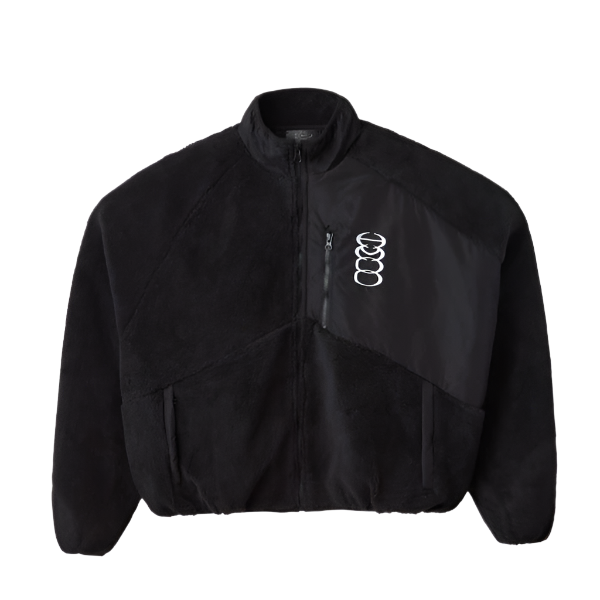
Cough Syrup Jorts Style Guide Everyday Wear Notes

Setting the terms before the comparison begins

Any positioning piece is only as honest as the evidence behind it, so the boundaries go first. The sourcing for every claim here about That’s A Awful Lot Of Cough Syrup is the brand’s own catalogue and product copy, checked in September 2026. Nothing is claimed about any rival label’s prices, revenue, output or build quality, because none of that was verified to the same standard. Print a competitor figure today and it is often wrong by the next drop, because streetwear pricing also moves week to week. In a alocs graphic shorts single direction only, then, the comparison runs: here is what is documented for ALOCS, and here is the same question you can put to any other brand yourself. Less tidy than a scoreboard it may be, but every number in it can be checked.

Which tier this label actually competes in

Taken with construction and distribution, price gets close to defining a tier, though price alone does not. The place cough syrup clothing occupies is the upper end of independent streetwear, not the mall-tier graphic bracket. What backs that is not a slogan but a set of specifications the brand commits to in writing: named fabric weights, a stated city of manufacture, and a finite catalogue rather than an endless evergreen range. Labels that print artwork onto blanks sourced wherever they are cheapest rarely publish an ounce weight, because the weight is whatever the blank happened to be. A selling point they control is what it is, so brands that cut and sew their own goods usually do publish one. That second group is where ALOCS belongs, judged by behaviour. Below European luxury houses by a long way and a similar distance above supermarket graphic tees, that is the position.

What the verified price ladder actually looks like

The confirmed figures are narrow enough to memorise in a minute. The brand’s own store, read in September 2026, had a core graphic tee at about $150, hoodies about $150 to $200, sweatpants about $150 to $200, shorts about $60 to $150, and jackets and workwear about $200 to $350. Since the brand discounts selectively through sale collections and mystery items, those snapshot figures may sit above the number you meet. Deliberately, and not by oversight, no competitor price appears anywhere in this article. Constant rate-card changes, uneven regional mark-downs and resellers pricing beyond their control are all part of how rival labels work. Open both catalogues on the same afternoon and compare like for like, if you are weighing awful lot of cough syrup against another name. Like garment, like weight, like size: a tee against a tee.

Fabric weight is the one spec that travels between brands

A figure rather than an adjective is what weight gives you, which makes it the most useful comparison tool a shopper has. The brand lists 6.5 oz organic cotton for its classic tee, 16 oz organic cotton for the classic hoodie, 14 oz cotton and recycled polyester fleece for the classic sweatpants, and 14 oz denim for its cargo shorts. These figures put the tees in the midweight range and the hoodie firmly in the heavyweight bracket. Keeping its shape, resisting sagging at the cuffs and taking a long time to dry is what a 16 oz fleece does. So the comparison between cough syrup shirts and another label’s tees becomes a factual question to ask rather than a taste argument to have. Where a rival publishes no ounce weight at all, that silence is itself a data point. Frequently the garment behind it is a bought-in blank with artwork applied afterwards.

Production model: a single city, small batches

In the brand’s own words, alocs clothing is made in Los Angeles, hand-dyed and printed in Los Angeles, and screen-printed locally. Few labels put that in writing, because it constrains both cost and volume in ways offshore production does not. To some buyers it reads as character and others as inconsistency, but hand-dyeing in particular produces visible variation between individual garments. Keeping the screen printing in the same city as the cut-and-sew work also shortens the loop between a design idea and a finished piece on a rail. The bill for it arrives as the price tag, since domestic labour is the single largest reason these figures sit where they do. Put it to each brand: where are the goods cut, where they are printed, and whether those two answers name the same place.

Distribution: three doors and a drop calendar behind them

Distribution says as much about a brand’s tier as its price list does. Selling runs through its own online store and through three physical locations confirmed in September 2026: 7669 Melrose Avenue and 312 West 5th Street in Los Angeles, and 5410 Almeda Road in Houston. There is no department-store wholesale network behind it, which is normal for independent streetwear and unusual among the larger names it gets compared to. When the catalogue was counted, roughly 43 percent of the size variants were out of stock, and stock arrives in batch drops rather than as a continuously replenished range. A merchandising model, not an accident of logistics, is what scarcity on that scale amounts to. Check whether a rival restocks its core pieces or lets them vanish, since that one difference changes what ownership feels like.

The comparison you can run yourself in ten minutes

Use the table below rather than admire it, because that is what it was built for. A dimension worth comparing sits on the left, what is verified for That’s A Awful Lot Of Cough Syrup as of September 2026 sits in the middle, and the question to put to whatever other label is on your shortlist sits on the right. Since filling it in would mean publishing figures that were never checked, nothing in the right column is filled in here. Treat the middle column’s prices as a starting point, since they come from the brand’s own store and will change. Nothing here is a verdict handed down, so treat the whole exercise as a repeatable method. More gets settled by two product pages open side by side than by any ranking article.

The dimension in question What was verified for ALOCS, September 2026 What to go and check elsewhere yourself
Tee price The brand’s own store had it at about $150 The current list price of a comparable graphic tee
Hoodie and sweatpants pricing On each, about $150 to $200 The listed price in the same weight class
Shorts plus outerwear and workwear Shorts at about $60 to $150; jackets and workwear about $200 to $350 The price, plus the actual shell or lining
Tee fabric weight A 6.5 oz organic cotton Is any ounce weight published at all
The hoodie’s fabric weight Organic cotton, 16 oz A stated weight rather than a vague description
The cloth in the sweatpants 14 oz of cotton and recycled polyester fleece Blend percentages as well as the weight
Where manufacturing happens In Los Angeles, hand-dyed and screen-printed locally Where it is cut, and where it is printed
How it is released Drops in batches, with sellouts frequent across sizes Whether core pieces get restocked or retired
Where it is sold One online store of its own and three confirmed stores Owned doors versus wholesale shelves
Value on resale No reliable data found Recently sold prices, never the asking prices

What this comparison cannot settle

Open questions remain, several of them, and pretending otherwise would be the easy route. Nothing here claims that a piece holds its price, appreciates or falls, because no reliable resale-value data was found for this brand. The listings on the usual secondary platforms are real enough, but asking prices are not sales, and sold figures could not be read. A published fabric weight tells you about substance rather than stitch density, dye fastness or how a print survives thirty washes, so quality is unsettled in any comparative sense too. Under identical conditions, nobody has run that test on two brands, this writer included. Customer service, sizing consistency between drops and how a garment ages are all judged by owners over years, not by a catalogue page. Treat it as a map of where thats a awful lot of cough syrup stands on the facts that are checkable, and do your own work on the rest.
HMDD Streetwear Explained First Impressions

What Explains why HMDD Sweatpants Have Become Growing Into a Wardrobe Essential

Trends often shift at breakneck speed, yet a select few labels succeed in slowing things enough to establish something with lasting appeal past a single season. Short for “Happy Memories Don’t Die,” HMDD has quietly grown into exactly that kind of label. Originally just a niche label with a sentimental name has grown into a recognizable name among shoppers searching for comfort-driven streetwear that nonetheless looks intentional. The phrase itself carries weight — happy memories dont die is not just a tagline, it functions as the emotional core of the label’s identity. You can see that philosophy in the way HMDD approaches everyday essentials like sweatpants and shorts, viewing them less like throwaway pieces and more like signature items that buyers keep coming back to time after time.

This piece explains why HMDD sweatpants in particular are claiming a permanent spot in rotation for so many customers, what a candid hmdd review tends to point out, and how the label’s take on fit, fabric, and design compares to standard fast-fashion sweatpants. If you have come across the label surface under searches like hmddla or best hmdd clothing, this guide will help you figure out what the buzz is really about.

The Emergence of HMDD as a Streetwear Name

HMDD did not appear overnight. The label built its reputation gradually, https://hmdds.com/ drawing from a grassroots approach rather than loud promotional pushes. Much of its initial momentum came from customer referrals and social media, where the phrase happy memories don’t die struck a chord with shoppers looking for clothing that held significance beyond the material alone. Such an emotional connection counts in a market flooded with interchangeable logos and unremarkable prints.

Searches for hmddla have grown steadily as the label’s footprint expanded beyond a limited local fanbase into a more national and international customer base. This growth pattern mirrors how a number of thriving streetwear brands grew in the past decade — begin small, build loyalty, then let organic demand carry things forward rather than driving it with constant sales. The brand’s lineup has grown in step, shifting away from a small selection of graphic tees into a fuller range that now includes hmdd sweatpants and hmdd shorts as core categories rather than secondary items.

What sets HMDD apart from many newer labels is consistency. Customers who buy one item and come back for a second tend to report comparable fit and quality with each repeat order, which is no sure thing in the current streetwear landscape where consistency can waver between drops. That consistency is a key reason hmdd clothing keeps showing up in conversations about brands to watch heading into 2026.

The Reasons HMDD Sweatpants Stand Out

Joggers are among the toughest categories to perfect. Cut too wide and the look turns messy; too tight and they lose the entire point of the garment. Spanning HMDD’s customer community, HMDD sweatpants keep showing up in wishlists and cart totals, mainly since they’ve struck a balanced middle point that appeals to a wide range of body types and personal styles.

Instead of being decorative for decoration’s sake, these design elements are purposeful. Across the line, ribbed cuff finishes, shaped waistbands, and tapered leg cuts show up, lending the pants a profile versatile enough to suit a jacket for polish or a plain tee for ease. This versatility is a common thread in virtually every hmdd review shared online— shoppers repeatedly note styling the same pair for multiple settings without ever looking mismatched.

There is also a practical angle worth mentioning: sweatpants get worn more often than almost any other category in a person’s closet. A pair that holds its shape after repeated washes and does not sag out at the knees within a month earns its price back quickly through sheer frequency of use. That durability factor is precisely why HMDD sweatpants get flagged in discussions about the best hmdd clothing pieces to start with if you’re new to the brand.

How HMDD Grew with Shorts, Stepping Beyond the Sweatpants Category

While sweatpants receive the lion’s share of focus, hmdd shorts have developed into an equally significant part of the roster, particularly as buyers look for heat-appropriate counterparts that mirror the same fit philosophy. A similar design language carries through in the shorts — streamlined silhouettes, understated logo use, and a cut that occupies a space between performance-leaning and street-style rather than committing fully to either category.

This uniformity spanning multiple categories is one of the more underrated reasons buyers develop confidence in the brand. When a label nails the fit language across multiple product types, people quit fretting over size guesswork every time they buy something different. As that trust accumulates, first-time buyers evolve into loyal repeat customers who venture further into the catalog instead of sticking with just one familiar item.

It also demonstrates that HMDD is not a one-trick label riding on a single viral product. As opposed to disconnected launches designed to chase short-term trend cycles, the shorts and sweatpants work as companion pieces that are commonly picked up in tandem—an indication that the brand is thinking about an entire dressing system.

HMDD Sweatpants vs. Standard Choices Available

To put things in perspective, below is a broad comparison of how HMDD sweatpants compare with common mass-market sweatpants and common premium streetwear sweatpants seen across the present-day market. This is a overarching comparison across categories not a claim about individual competitor products.

Attribute Mass-Market Sweatpants HMDD Sweatpants Elevated Streetwear Sweatpants
Consistency of Fit Differs considerably between production runs Uniform across collections according to shopper feedback Fairly uniform
Label Identity Slight or nondescript Strong, meaning-rich identity Compelling but often logo-heavy
Fanbase Activity Sparse Engaged and expanding (hmddla search volume increasing) Established but often exclusive
Range of Use Limited to casual wear Relaxed to refined streetwear Everyday to dressed-up streetwear
Category Range Sweatpants only Sweatpants, shorts, and apparel line Full range typically

This breakdown illustrates why HMDD sits in a middle lane that many shoppers genuinely favor. It is not positioning itself as an elitist, buzz-fueled label, nor is it a easily-overlooked basics brand. It sits in between, delivering the narrative and character of premium streetwear with an easier entry point than the most hyped names in the space.

Topics Generally Addressed in an Genuine HMDD Write-Up

Before buying, most shoppers usually look for a no-nonsense hmdd review that touches on material feel, fit, and whether the experience matches the price. Reviewers repeatedly raise three points: the sentimental weight of the happy memories dont die branding, the reliability of sizing, and the way the pieces stand up after repeated wears and washes.

A pared-back approach is another common theme that comes up often. Rather than packing every piece with graphics or busy graphics, HMDD often lets small elements — a embroidered line, a understated label, a deliberate colorway — do the work. This restraint appeals to shoppers who are weary of in-your-face branding and want pieces that feel more individual than marketing-driven.

Reviewers also frequently note the community aspect surrounding the label. Since the brand developed through genuine engagement rather than paid hype alone, customers often report feeling like they are belonging to a movement rather than just purchasing a product. That feeling surfaces time after time in discussions tied to hmddla and broader searches for hmdd clothing, reinforcing that the brand’s appeal extends past the garments themselves.

Why HMDD Belongs In a 2026 Wardrobe

Prioritizing comfort in dressing is not a fleeting trend; it has become a long-term shift in how people assemble their closets. As remote work, hybrid schedules, and casual dress codes stay the norm approaching 2026, pieces like sweatpants and shorts persist in occupying real estate in the regular wardrobe rotation rather than being reserved for lounging alone.

HMDD’s overall place in the landscape dovetails with this transition. The brand provides garments that transition from a quick coffee errand to a low-key get-together without requiring a head-to-toe change of clothes, which is more important now than before as people prioritize a blend of practicality and looks. Layer on top of that the emotional branding around the notion that happy memories don’t die, and what makes it resonate stops being purely visual — it starts to feel personal.

For shoppers assembling a capsule wardrobe or just hoping to refresh their essentials with an item with a stronger sense of identity, kicking things off with a pair of HMDD sweatpants or hmdd shorts is a easy, low-commitment method to test the brand. In light of the repeated consistency noted in reviews and the label’s clear sense of purpose, it is not hard to understand why HMDD keeps showing up on lists of the must-have hmdd clothing of the moment, and why it is positioned to remain a go-to wardrobe piece well into the year ahead.

Prestige Fits Sizing Guide Wardrobe Staple Guide

Does Prestige Worthy of the Cost? A Shopper’s Perspective

Each new season brings a steady wave of brands claiming to offer craftsmanship and good looks, but only a handful manage to hold shopper focus past the first purchase. Prestige is one such name that continues to appear in discussions around leveling up your wardrobe, and there’s a clear reason why. What follows is a breakdown of what Prestige truly delivers, how it measures up next to the noise around it, and whether the investment is worthwhile for someone shopping in 2026. We’ll examine how the collection is organized, the hoodie collection people keep bringing up, and the candid compromises that accompany any clothing purchase. No hype, just a grounded look at what you get for your money.

This isn’t about persuading you that Prestige is flawless; it’s meant to cover the practical questions a shopper genuinely asks before checking out — whether the fit holds up, whether the price matches the experience, and whether the label lives up to its own name. And once you’ve finished this, you should have a clearer picture of whether Prestige clothing belongs in your rotation.

What Does Prestige Actually Signify?

Positioning itself as a modern clothing brand, the Prestige name is built around everyday essentials carrying a somewhat refined edge. It isn’t a luxury house with decades of heritage, and it doesn’t pretend to be. In its place, the label focuses on attainable garments that feel more thoughtful than run-of-the-mill fast fashion, while sparing buyers from paying luxury markup. This difference is significant because many shoppers searching “what is Prestige” are trying to figure out where it lands on the spectrum between low-cost staples and high-end brands.

The Prestige store operates primarily online, which keeps overhead lower and allows the brand to update its collection more frequently than a traditional retailer might. Shoppers browsing the prestige store will notice a rotating structure: core pieces stay in stock consistently, while seasonal drops introduce new colorways and silhouettes. This model has become common among direct-to-consumer apparel brands, and Prestige leans into it rather than trying to imitate a legacy fashion house.

What sets apart prestige com Prestige as opposed to a ordinary clothing label is the attention paid to fabric weight and construction elements in its more sought-after items. It doesn’t attempt to appeal to everyone at once. Drop after drop, Prestige holds true to a clearly chosen lane — streetwear-leaning, comfort-focused, understated — never wavering.

The Prestige Range: What’s Included, In Reality

From a modern apparel brand, you’d anticipate a familiar spread of categories, and Prestige covers: outerwear, knitwear, loungewear, and a small but consistent accessories range. Rather than running after every fad, the collection tends to reimagine a limited number of dependable shapes each cycle. This strategy minimizes the risk of picking up a piece that seems old-fashioned within twelve months, something shoppers often complain about with trend-led brands.

A recurring theme in shopper reviews is that Prestige garments run true to size in most cases, which reduces the hassle of returns.
Right up until you’ve ordered from three different apparel brands in the same month’s time and gotten three different results, reliable fit across sizes seems like no big deal.
Among the less obvious reasons returning shoppers stick around is Prestige’s choice to preserve its sizing template uniform across its full range.

With each drop, the brand’s prestige lineup equally profits from a restrained range of colors. Prestige typically narrows each drop to four or five core colors, instead of releasing a dozen colorways of the same hoodie. Such restraint keeps inventory easy to handle and, from the buyer’s point of view, eases the burden of choosing. You’re not scrolling through twenty near-identical options trying to find the “correct” one.

The Prestige Hoodie: What Makes It Stand Out

When Prestige comes up in reviews, the hoodie is the item that keeps resurfacing. Set against the other pieces, the Prestige hoodie has turned into effectively a hallmark piece, and it’s worth exploring why it earns so much focus. Fleece weight is the first thing people mention — it reads as substantial rather than thin, which is a common shortfall in mass-market hoodies priced similarly.

Throughout buyer feedback and shared images, craftsmanship touches like double-stitched seams and a sturdy front pouch turn up again and again, which suggests the brand maintains a consistent benchmark rather than just delivering one-off quality control wins. Typically, the drawstrings come flat instead of round, a minor design choice that prevents them from twisting within the hood’s drawstring channel as time goes on — a petty frustration in cheaper hoodies that Prestige appears to have solved on purpose.

As it runs relaxed but not oversized in silhouette, the hoodie accommodates a broad array of body types, sparing shoppers several separate fit classifications.
For shoppers trying to identify the best of Prestige clothing to start with, the hoodie is routinely the piece people suggest starting with, mainly since it showcases the brand’s overall approach in a single everyday item.

Weighing How Prestige Holds Up Compared With Peer Brands

When you’re deciding where to spend, hard figures matter more than subjective praise. What follows is a breakdown comparing Prestige against two frequently cited categories of alternatives: low-cost fast-fashion brands and mid-tier streetwear brands. This isn’t about naming exact competitor prices, since those shift constantly, but about structural differences shoppers should factor in.

Comparison Point Prestige Low-Cost Fast Fashion Mid-Tier Streetwear
Fabric weight (hoodie) Mid-to-heavy weight fleece Lightweight, prone to going sheer under tension Thick, can feel stiff until worn in
Fit reliability across sizes Reliable from one release to the next Fluctuates a lot depending on the run Generally consistent
How often collections refresh Seasonal with core staples year-round Weekly, high turnover Infrequent releases with rare restocking
Build quality details Seams stitched twice, drawstrings that lie flat Single-pass stitching is typical Double-stitched, often reinforced
Availability of past styles Staple items replenished often Almost never replenished Seldom reissued, often marked up on resale

Where Prestige lands becomes clear from this comparison, even though it can’t single-handedly close the debate: it’s closer in construction quality to mid-tier streetwear, yet it carries the restocking reliability that fast fashion delivers, something streetwear brands often lack. That combination is a meaningful part of why Prestige comes up so often in “worth it” conversations rather than being brushed aside completely.

The Real Story Behind Shopper Reviews

A few recurring themes show up frequently enough to be worth noting, rather than dismissed as isolated opinions, once you sift through a large volume of Prestige written reviews. Turnaround on orders get varied responses — some shoppers mention receiving orders within a week, while others describe longer waits during high-demand drops. That’s a expected tension for a brand that isn’t sitting on large backstock of every item.

Support-team turnaround is yet another point of disagreement, with quicker fixes reported for sizing exchanges than for defective-product complaints. It’s not uncommon for expanding DTC labels to have a bit of trouble in this area, and Prestige isn’t unique in that regard, but it’s worth setting expectations accordingly.

On the positive side, repeat purchase behavior is a clear indicator. Buyers who start with one Prestige hoodie tend to come back for a second piece, often in a second staple colorway, rather than abandoning the brand altogether. This type of repeat behavior is not easily engineered through advertising by itself — it generally points to genuine satisfaction with how the pieces wear and hold up over many wash cycles, which several long-term reviews specifically call out.

Does Prestige 2027 Deserve Attention?

With an eye on the future, the Prestige 2027 lineup is already stirring up initial buzz based on teaser previews and the brand’s pattern of step-by-step upgrades rather than sweeping change. If the trajectory from recent seasons holds, look for improved takes on established favorites rather than a full reinvention — a plan that rewards shoppers who have already settled on fits they love.

For the undecided shopper, the case for buying is most obvious for shoppers who value reliable fit, dependable sizing, long-lasting essentials, and a manageable number of well-made choices over a bloated selection. Prestige clothing steers away from being framed as a traditional luxury investment — it’s pitched as a smart mid-range purchase that outperforms what its cost would imply.

In the end, the question of whether Prestige justifies the investment hinges on what you’re shopping for. If your goal is throwaway bargain-bin items, this brand doesn’t cater to that kind of shopper. If instead you’re seeking dependable essentials — led by a hoodie that consistently earns praise — without requiring a high-end spend, Prestige justifies the buzz building around it. Prestige’s strongest pieces to date points to a brand that’s still evolving, but expanding upon a foundation that’s already sturdy enough to rely on.

Reva Flat Style Guide Tory Burch T Monogram Print

Notable Partnerships Across the Decades: Tory Burch Creative Alliances

The Tory Burch label has cultivated a reputation as a house that manages to balance heritage American sportswear with unconventional design collaborations. Beginning in 2004, the brand has grown far beyond its hallmark Reva ballet flat into a comprehensive lifestyle house encompassing tory burch tops, outerwear, accessories, and footwear. Still, it isn’t just the main catalog that keeps loyal shoppers returning — it’s how the brand now and then partners with artists, athletes, and cultural institutions to reshape its visual identity. A comprehensive Tory Burch review can’t ignore these collaborations, because they often signal design directions that eventually filter into the mainline collections. Below, we trace the most notable collaborations, examine what they produced, and show how shoppers can still uncover remnants of that history via tory burch outlet and seasonal tory burch sale events.

Why Tory Burch, in Particular, Benefits from a House Like Tory Burch

Collaborations give a established house latitude to innovate without compromising its foundational identity. Tory Burch’s primary design language stays fairly traditional — think fitted tunic silhouettes, logo hardware, and understated cuts — so these team-ups have historically been the avenue for more daring patterns, nontraditional fabrics, and exclusive small-batch pricing. The brand, between 2015 and 2025, torystore launched at least a dozen notable co-branded projects, from artist print collections to sport-specific footwear lines. These weren’t just marketing exercises; several partnerships had a direct hand in shaping later product lines, including shifts in the construction and finishing of tory sandals.

There’s also a commercial logic here. Limited releases create urgency, often selling out within days, which in turn drives traffic to the brand’s core assortment once the collaboration ends. It’s not unusual to see the secondary interest translate into a sales lift for tory burch shoes and bags in the following season, as new customers browse the full range after being attracted by a collaboration piece. For shoppers hunting value, this cycle also means past collaboration pieces occasionally resurface in tory burch outlet inventory, giving budget-conscious buyers a chance to own a piece of collaborative history at a reduced price point.

Noteworthy Alliances Across the Decades

Tory Burch’s collaborative history is varied, spanning fine art, sport, and cross-category design work. Here’s a look at the projects shoppers and reviewers most commonly reference when talking about the brand’s creative scope.

  • Artist-collaboration capsule releases: Tory Burch has periodically invited visual artists to reimagine its trademark motifs for limited runs, yielding scarves, tunics, and dresses with distinctly gallery-inspired patterns.
  • Sport and performance crossovers: Tory Burch’s continuing tie to sport and fitness culture has resulted in specialized footwear and apparel lines, a few of which brought in performance-grade materials not normally present in the main line.
  • The brand’s design sensibility has been stretched into textiles and object design through limited collaborations, broadening the brand’s reach beyond clothing and accessories.
  • Silhouettes that later turned into staples were sharpened through a number of partnerships centered solely on footwear, notably featuring updated takes on tory sandals with redesigned strap fittings and sole construction.
  • Charitable and cultural collaborations: Certain collaborations were centered on fundraising initiatives tied to the Tory Burch Foundation, merging limited product drops with assistance directed at women in business.

Creative credibility, engineering ingenuity, lifestyle growth, and brand purpose — each of these different strategic goals is embodied within one of these categories, and collectively they demonstrate why Tory Burch’s own track record of partnerships reads more like a coherent design experiment running in parallel with the core collections as opposed to scattered marketing stunts.

Collaborations & Their Role in Molding the Foundational Lineup

Several design choices first emerged through collaborative projects and later evolved into permanent fixtures—although it would be easy to dismiss these projects as standalone moments. The hardware detailing visible across a number of today’s top Tory Burch garments, as an example, has its roots in test-phase buckle and clasp configurations originally piloted in limited collaborative runs. In the same vein, certain colorways that debuted in artist collaborations reappeared a season or two later as mainstay selections across bags and ready-to-wear.

Footwear tells a similar story. Some structural updates to tory burch shoes — reinforced soles, reworked strap proportions, or new material blends — were first piloted in more limited collaborative batches before rolling out brand-wide. Consequently, customers who skipped the limited collaborative releases entirely are, in effect, reaping the rewards of that R&D every time they buy a mainline pair. It’s one reason longtime customers stay alert when a new collaboration is announced: it frequently hints at what’s coming to the regular collection inside the next year or so.

A Look at Collab Formats, Ranked by Concentration and Availability

Not every one of the Tory Burch collaborative projects share the same objective or connect with identical shoppers. The table below breaks down the primary groupings by typical focus, price positioning relative to the core line, and how long pieces tend to stay on offer before selling out or being retired.

Type of Collaboration Primary Focus Cost Bracket Typical Release Window
Artist-designed print capsules Printed pieces, silk scarves, dresses On par with or slightly above core pricing A short-lived seasonal stretch, commonly lasting just weeks
Athletic/technical collaborations Shoes, performance clothing Premium versus core footwear line Single season, sometimes brought back
Home and living expansions Fabric goods, object design Varies widely by product type Limited-time presence, almost never replenished
Shoe design collaborations Sandal styles, flat shoes, refined silhouettes In line with core tory sandals pricing Prolonged run, sometimes made part of permanent line
Charity partnerships Diverse categories linked to charity efforts Typical price level plus a donation element Linked to campaign timing, typically a few months

Looking at these rows demonstrates that footwear collabs last longest on shelves, which is why so many collaborative touches later surface within the standard shoe collection. Artist and home-focused projects, in comparison, are usually more transient — sought-after in the moment but seldom restocked.

Tracking Down Collaboration Pieces Today: Outlet and Sale Tactics

For those who missed a collaboration the first time around, there are still useful ways to hunt them down. Tory Burch’s outlet stores and the brand’s outlet-specific online section now and then carry previous-season collaboration stock, especially shoes and add-on pieces that had extended production runs. You should checking these channels regularly rather than assuming everything sells out instantly — stock arrivals are frequently unpredictable, and pieces can turn up again months after the initial release.

Seasonal tory burch sale events are another trustworthy route, especially around end-of-season clearance periods when the brand marks down both regular and limited items to clear space for new collections. Setting up alerts or dropping by during established markdown windows — usually post-holiday and mid-summer — raises the likelihood of catching a discounted collaboration piece. If you’re building a list of what to focus on, footwear and structured bags generally retain value and long-term wear quality better than patterned fabric pieces, making them more sensible picks for resale or extended wear.

What to Watch for in a Top 10 Tory Burch Ranking

Be it a rundown of shoes, bags, or full outfits, whoever puts together a top 10 Tory Burch list should give due consideration to collaboration pieces alongside core bestsellers instead of treating them as a separate category. Some of the brand’s most talked-about items, among them particular sandal styles and patterned ready-to-wear items, got their start as limited-run collaborations before earning permanent spots in the lineup. A carefully considered list ought to account for construction quality, material sourcing, and versatility, not just how rare or fresh an item is.

When evaluating tory burch tops or dresses tied to a collaboration, check whether the print or silhouette was eventually folded into the core collection — such a shift generally signals durability and customer demand, not just hype generated by marketing. With shoes, measuring stitch quality, sole flex, and strap adjustability against the brand’s standard tory sandals shows whether a collaboration delivers true design improvement or amounts to nothing more than a cosmetic change.

Closing Reflections on the Brand’s Partnership Heritage

Tory Burch’s partnership history isn’t just a marketing footnote — it operates as a living workshop that has gradually molded hardware, materials, and silhouettes across the brand’s core offering. From artist-led print capsules to footwear-focused design partnerships, these collaborations have steadily channeled fresh ideas into the mainline collection, benefiting everyday shoppers long after a limited-run release has sold through. Whether the goal is tracking down a specific archival piece through outlet channels, timing a buy to a seasonal sale, or figuring out which items belong on a best-of list, understanding this recurring collaborative pattern provides useful perspective. When the next Tory Burch collaboration is unveiled, it deserves attention — past patterns suggest today’s short-run trial could be the enduring bestseller of the coming year.

Luxury Valentino Collection Valentino Leather Tote

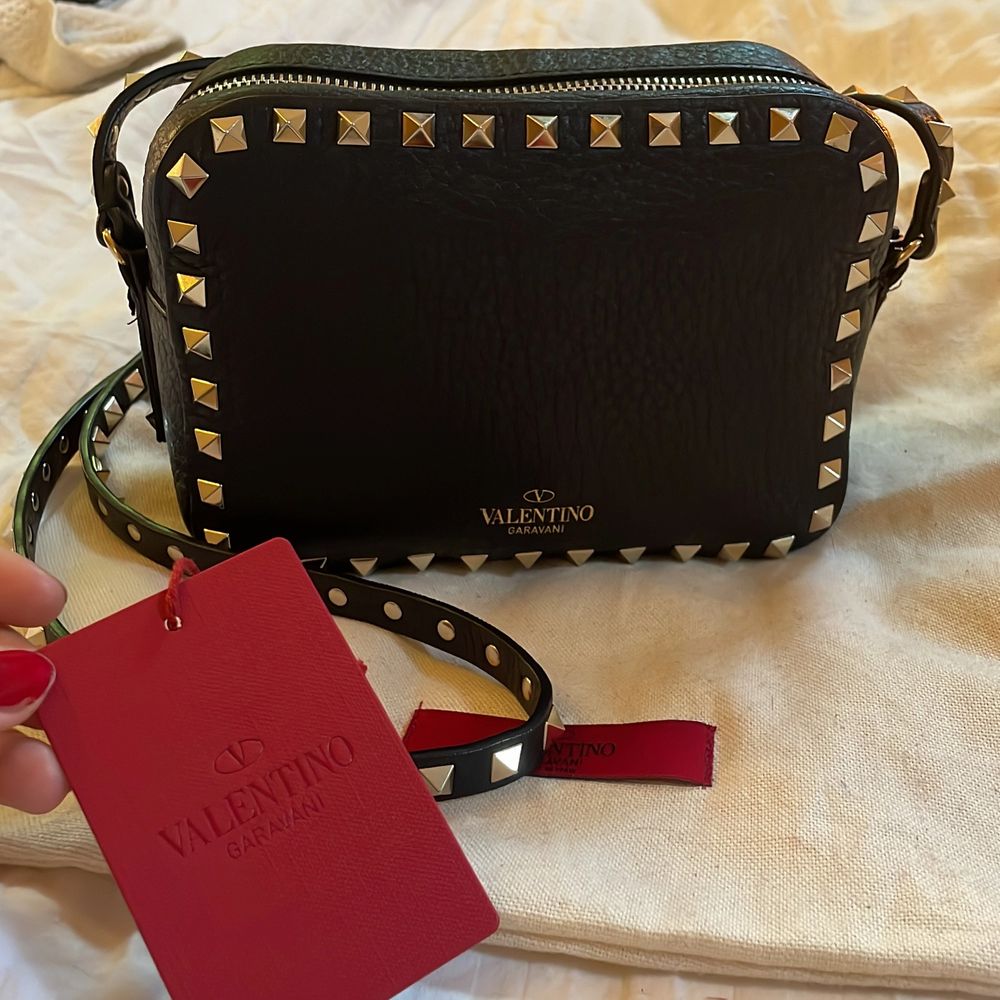
Rockstud v Rockstud Spike: Choosing Between Them

The same pyramid stud runs across two lines on the same shelf, and settling between them costs somewhere between one thousand and two thousand dollars. That is the honest framing of the Rockstud and Rockstud Spike question, and it is why so many buyers freeze halfway through the decision. The family resemblance is genuine, yet the two act differently in the hand, in the wardrobe and on the resale market. One is the everyday line and the other the evening one, and the price gap between them is not decorative. This comparison sets them side by side on what actually changes the outcome: what each costs at observed 2026 market prices, what materials each uses, what formats exist, and which survives contact with an ordinary week. Everything below is pulled from what is currently live, since both lines remain in the brand’s own bag filters in September 2026.

One motif divided into two tiers

Take what unites them first, because that is why the comparison exists. Both are built around the flat pyramid stud that has become the most recognisable hardware in the house’s leather goods, and both are current rather than archival. The difference is tier. Rockstud occupies the entry and lower-middle band of the range, running from $1,250 to $2,100 at observed 2026 market prices, while Rockstud Spike stands a full step above it at $2,400 to $3,700. What the gap tracks is a shift in materials, in size and in how dressed-up each line is asked to be, not a difference in studs. Once you think of Rockstud as the motif in daylight and Rockstud Spike as the motif in the evening, most other differences make sense.

How the studs got here

Fall 2010 is when the pyramid stud arrived, presented by Maria Grazia Chiuri and Pierpaolo Piccioli during their period as co-creative directors of the house. It began on footwear rather than handbags, which explains the motif’s proportions: the studs were designed to valentino leather tote catch light on a curved surface before migrating onto flat leather panels. The reference cited in the design is bugnato rustication, meaning the rough-cut stonework on Renaissance palazzo façades in Rome, apt for a house whose creative headquarters is Roman. The chronology is often confused online, so it is worth stating plainly: the motif appeared three years after Valentino Garavani retired from design in 2007, the studs were never his work, and he died in January 2026 having had no ownership of the company since 1998. Because it rests on a single source, the widely repeated year for the Rockstud bag launch should be treated with suspicion. Since 2024 creative direction has been in the hands of Alessandro Michele, and both stud lines emerged from that transition intact.

Rockstud in 2026: the line that earns its keep

Rockstud is the wider and more practical of the two, with roughly fifty-two pieces observed live on the brand’s own site. The material palette leans hard-wearing: grainy calfskin anchors it, with suede, raffia, laminated calfskin and pony-effect calfskin filling out the seasonal edges. What carries the argument for this line is that the formats are the everyday ones. Budget $1,390 for a mini shopping tote in grainy calfskin or suede, $1,490 in raffia, $1,750 laminated and $1,850 in pony-effect. A small valentino crossbody bag in grainy calfskin sits between $1,650 and $1,950, the laminated version at $1,790, while a small valentino shoulder bag hits $1,950 in suede and $2,100 in grainy calfskin. A laminated calfskin wallet at $1,250 marks the floor, the cheapest way into the motif outside the clutches.

Rockstud Spike in 2026: the softer, dressier sibling

A different part of the week is what Rockstud Spike is built for, and it is tighter, softer and more expensive for it. In place of the base line’s grainy calfskin, the observed palette brings nappa, suede, kidskin and embroidered nappa, all more supple and less forgiving of scuffs. What drives the pricing is materials rather than studs. Reckon on $2,400 for a crossbody clutch, $2,550 for a small suede and $2,800 for a small nappa; medium sizes span from $2,750 to $3,200 in suede, $2,950 in kidskin and $3,500 in nappa, with a medium embroidered nappa topping out at $3,700. Take that last figure as instructive: embroidery is where the line starts behaving like the top of the range rather than its commercial core. There is less choice here than on the base line, and the piece you want may simply not exist in the material you want.

Head to head: the numbers

Set the two lines against each other and the pattern is obvious rather than subtle. Every piece in the Rockstud range sits below the starting price of Rockstud Spike, and a $300 gap divides the top of one from the bottom of the other. From a different angle, materials make the same point: one palette is chosen for wear, the other for drape. A tote and a wallet come with the base line and not with the Spike; the Spike, for its part, offers a crossbody clutch that reads as evening. All figures below are observed 2026 market prices on the brand’s own United States site, not an official price list, and they shift with material and season. The table charts the overlap between the two lines, and there is barely any.

Comparison point Rockstud Rockstud Spike
US range observed in 2026 $1,250 to $2,100 $2,400 to $3,700
Cheapest observed piece Laminated calfskin wallet, $1,250 Crossbody clutch, $2,400
Priciest piece observed Small shoulder in grainy calfskin, $2,100 Medium embroidered nappa, $3,700
Materials observed Grainy calfskin, suede, laminated calfskin, pony-effect, raffia Nappa, embroidered nappa, suede, kidskin
Formats seen Wallet, mini shopping tote, small crossbody, small shoulder Small and medium shoulder, crossbody clutch
Breadth of choice Around fifty-two pieces live Markedly narrower

Which one suits your week

Frequency of use, not taste, normally settles the decision. If the bag goes to work, holds a phone and a wallet and survives rain twice a month, the grainy calfskin Rockstud is the sane answer and the mini shopping tote its most useful shape. For dinners, events and the evenings where you carry almost nothing, the Spike’s nappa and suede yield a softer body and a richer surface, and the crossbody clutch is the format that earns its keep. Colour is another difference: suede and nappa hold saturated tones in a way grainy calfskin does not. One more thing: a navigation quirk worth knowing, in that the brand’s own United States site has no crossbody category page, listing bags instead under shoulder bags, totes, top handle bags, clutches, wallets and small leather goods. That means searching for a valentino crossbody bag on the house’s own site works better as a filter by size than as a category, even though most major retailers do maintain crossbody pages.

What the resale market says about each

Neither line is an asset; the numbers make that plain rather than flattering. Across the house, roughly 41 per cent of retail is where one major resale platform placed Valentino handbags in 2023, mid-tier and well below the strongest names. The motif bags sit above that average, which is the useful part for anyone weighing these two. The observed figures on that platform are about 56 per cent for a Rockstud drawstring bucket, about 56 per cent for a Rockstud flip lock flap and about 50 per cent for a Rockstud pouch crossbody. There is no dataset for the Spike, only a single illustrative data point: a medium example observed at roughly $1,700 second-hand against roughly $2,900 new, near 59 per cent but resting on one listing and not to be generalised. Read it practically: recognisability holds value here, both lines resell better than the quieter valentino bags, and the base line costs less to be wrong about.

The quick answer

Pick Rockstud if this is your first valentino garavani bag or your only one. It costs less, offers far more choice, uses materials that tolerate daily handling, and includes the two formats most people reach for: a tote and a wallet. Take Rockstud Spike if you already own something from the house, want the motif in a softer material, and will carry the bag in the evening rather than on a commute. Expect neither the base line’s durability from the Spike nor the Spike’s drape from the base line: the material difference is the whole point of the price gap. Where the budget stretches either way and you remain undecided, the difference is better placed on colour and material within the base line than on the tier above. That single move tends to produce a bag people wear more, and that is the only performance metric that survives contact with a wardrobe.

Ferragamo Premium Mini Bag Timeless Gancini Look

Resale Ferragamo Bags: Which Ones Hold Their Value

Ferragamo bags arrive on the resale market in real volume, and the picture they paint there is not the picture the boutique presents. What follows is a reading of one snapshot: 141 pre-owned listings observed on a single major resale platform on 7 September 2026, held up against prices observed on the brand’s own US webstore that same day. It is a photograph of one shelf on one afternoon, and shelves change, which is why every number below is an observed 2026 market price rather than an official price list, a valuation or a promise. None of this is investment advice, and no ferragamo bag should be bought on the expectation of getting money back later. Use it as a map of where demand currently sits, which genuinely helps when you are working out what to pay and which listings to walk past.

A Snapshot Rather Than a Forecast

The most important caveat belongs at the front: resale prices fall at least as often as they hold. The point is made without ambiguity by one listing in this snapshot, a large Hug top handle in leather graded Very Good that asked $2,425, had already been cut to $1,890, and was still unsold. What you are seeing there is a seller finding the market, not the market rewarding a seller. Asking prices are not sale prices either, and a bag can sit for months at a number nobody agrees to pay. Condition grading does quiet work too, since the distance between Excellent and Very Good on one model can be worth several hundred dollars. The community view, opinion rather than measurement, is that ferragamo bags retain less than the very top tier of European houses, and nothing in this snapshot contradicts it.

The Ceiling Belongs to the Hug

Only one model in the set routinely clears $2,000 pre-owned, and that is the Hug, the clear value-holder. The strongest retention observed across the snapshot belonged to a large Hug shoulder bag in suede, graded Excellent and listed at $2,930, against $4,300 for https://salvatorebag.com/tote-bags/ the comparable large soft Hug on the brand’s own site. That is roughly two thirds of the current asking price for a bag somebody else has already carried. The large leather top handle mentioned above tells the other half of the story: $2,425 is a similar ratio against official prices of $3,600 to $3,900, but the markdown to $1,890 drops it to roughly half. Both readings hold at once, and both belong in a buyer’s expectations. There is nothing mysterious about the Hug’s advantage, since the brand’s own craftsmanship page calls it a modern accessory icon and it dominates the current assortment, so buyers recognise the silhouette instantly.

Observed Prices Side by Side

The fastest way to see the shape of this market is to hold resale observations up against official prices. The table below pairs each listing with the closest current equivalent on the brand’s US webstore, where such an equivalent exists at all. For the archive models there is none, because those bags are simply not in the current US line-up, and the resale figure is the only price they have. The final column is commentary, not a rule; a single listing reflects a single seller’s judgement. These are all observed 2026 market prices recorded on 7 September 2026, so they will not match today’s. The pattern, not the precise number, is the part worth carrying away.

Listing, as it was shown on resale Observed resale price, Sept 2026 Official US price observed What the gap suggests
Large Hug Shoulder Bag, suede, condition Excellent $2,930 $4,300 for the large soft Hug Best retention in the entire snapshot
Hug Top Handle in leather, Large, graded Very Good $2,425, marked to $1,890 $3,600–$3,900 The asking price was cut mid-listing, so prices move down too
Trifolio Tote in a Gancini embossed finish, Large $2,040 No longer in the US line-up Clearly the top of the archive band
Medium Studio Box Satchel $1,225 $3,100 (Studio Box, medium) A steep decline for a model still in the current family
Studio Satchel and Studio Top Handle Box $780–$1,060 The family starts at $2,550 The Studio floor
Gancini Turnlock Flap, Medium $1,130–$1,190 Outside the current US line-up Heritage hardware earns a modest premium
Gancini Flap Shoulder, Medium, vintage $560 Not in the current US line-up The floor for Gancini pieces
Older utility styles (Today, Boxyz, Charming, Joanne, Lotty, Seila, Smile Hobo) $500–$945 Missing from the current US line-up The archive floor, and the cheapest way in

The Studio Band, the Gancini Band and the Archive Floor

Below the Hug, the market sorts itself into two tidy bands. Studio pieces, meaning the box satchel, the plain satchel and the top handle box, were observed between $780 and $1,225, with the medium box satchel at the top of that range against $3,100 for a comparable current Studio Box. Bags with Gancini hardware ran from $560 for a vintage medium flap shoulder to $1,190 for a medium turnlock flap; in between sat the Margot hobo at $1,020 and a jacquard shoulder tote between $935 and $1,045. Older utility styles make up the floor: Today, Boxyz, Charming, Joanne, Lotty, Seila and the Smile Hobo were observed between $500 and $945. Those are the figures that make salvatore bags an unusually approachable entry point into Italian leather goods on the second-hand market. And they show plainly how much of a new bag’s price is simply paid for newness.

The Boutique’s Icons Are Not the Market’s Icons

This is the genuinely interesting split, and it is easy to miss. Walk into a ferragamo shop, or open the brand’s own site, and the hero order leads with the Cara, the Hug, the Soft-bag and the Studio Bag, which are the house’s stated icons right now. Editorial on the resale side names a different cast entirely, treating Sofia, Fiamma and Ginny as the recognised classics, with the Gancini flaps alongside them. Neither list is wrong, because the two are answering different questions. The boutique’s list describes what the house is selling this season, while the resale list describes what a generation of owners actually bought and still trades. In practice this means the most sought-after salvatore bag on a resale platform might not appear on the brand’s own site at all, and the newest boutique icons carry barely any second-hand history to judge.

The Reason Listings Still Read “Salvatore”

The brand mark was cut back to simply Ferragamo in September 2022, ahead of the Spring/Summer 2023 show, using a custom serif logo by Peter Saville that nods to classical stone inscriptions and took the place of the founder’s handwritten script. The rename, though, was only half a rename. On paper the listed company is Salvatore Ferragamo S.p.A. to this day, and its own 2026 investor documents use that name. Because resale platforms followed the company rather than the mark, Rebag, Fashionphile, The RealReal, eBay, 1stDibs and Vestiaire continue to file the house under “Salvatore Ferragamo”. Search only the short name and you will see a fraction of the inventory; search only salvatore ferragamo and you may miss newer listings entered under the current mark. Run both searches every time, and add the common misspelling “feragamo” with a single r, which quietly turns up listings other buyers never see.

Reading a Listing Before You Commit

The first step is to price the alternative honestly. On the brand’s own site a ferragamo sale runs as a seasonal section rather than a permanent channel, while authorised stockists such as Nordstrom, Bloomingdale’s, Saks Fifth Avenue, Mytheresa and Farfetch hold recommended retail, which makes the real comparison resale against full price. Then look hard at the photographs, because corner wear, handle darkening, the crispness of interior stamping and the state of the gold-tone hardware are what separate one condition grade from the next. Ask for measurements rather than trusting a size name, since a single model name can cover XS through Large with very different proportions. Bear in mind, too, that the brand publishes no public authentication guide, which makes the checks circulating on consignment blogs third-party consensus rather than brand instruction, to be weighed as such. The house does offer official Repair Services for a selection of authentic products, requested at selected stores with proof of purchase and valid regardless of where the bag was sold.

What the Snapshot Amounts To

Taken as a whole, the second-hand market prices Ferragamo as a serious Italian house rather than a speculative asset. A single model clears $2,000 with any regularity, the broad middle occupies $700 to $1,250, and the pre-2020 archive comes to rest between $500 and $950. That structure is stable enough for planning a purchase and far too soft for planning a return. The most defensible use of these numbers is as a check on whether an asking price is reasonable, not as a forecast. Choose the ferragamo bags you actually intend to carry, in materials and sizes matched to how you carry them, and let any residual value be a consolation rather than a plan. That is as much as a single day’s observation can honestly support.

Hip Hop Tracksuit GS Godspeed Sweatpants Drop

Decoding the Godspeed Design Language: Coded Marks, Skeletons and New York Iconography

Explanation is usually part of the package with most streetwear brands. There are manifestos, named references and a convenient paragraph for writers about what the logo signifies. Godspeed New York does hardly any of that, which leaves the clothes to talk and means the visual system rewards close attention. Over collections such as SUMMER ’26, VITAL, CORE ROTATION and G.R.C, the same elements return in fresh arrangements: initialled stamps, skeleton figures, religious imagery and New York detailing. These building blocks, and how they are executed, are charted below on the evidence of the catalogue only. Nothing is invented to cover the gaps: where the brand stays silent, that silence is stated.

A Name That Fixes the Register

The starting point is the word on the label, which establishes the vocabulary. The godspeed meaning set down by Merriam-Webster is a wish for success given to someone on parting, and the term descends from the Middle English phrase God spede, elliptical for God spede you. The archaic verb speed is the load-bearing part, coming from Old English spedan, which meant to prosper or succeed — so the word has nothing to do with velocity. Register is the point here: the word is literary and ceremonial, used at launches, departures and farewells and not in casual conversation. A formal and faintly elegiac weight comes with the name, which the graphics then exploit. Because the brand publishes neither an origin story nor a statement explaining the choice, the connection between name and imagery is inferred rather than asserted by the label.

Acronyms Without a Decoder Ring

A family of initialled marks — R.O.D, I.G.W.T, F.T.D, G.R.C and VVS — is what most distinguishes the system, coming back season after season. On tees, fleece, headwear and outerwear they work like a crest, reading as identification rather than slogan. The brand has never published what they stand for; there is simply no official expansion to quote. Whatever confident streetwear hoodies translations storefronts and aggregator blogs supply are inventions, and reprinting them would let guesswork stand as fact. Withholding is itself part of the design, because an unexplained mark retains its charge in a way an explained mark does not. Beside them sit the plainly legible GS FOREVER and GS 4EVER lettering and the OG Logo, a readable anchor next to the coded material.

Skulls, Saints and the Memento Mori Line

A steady iconographic strand runs underneath the lettering, composed of skeletons, skulls and religious or angelic references. Take it as an old visual tradition rather than a shock tactic: closer to memento mori than to horror, and a natural pairing with a name drawn from the language of blessing and departure. Product names cover the same territory, with garments such as Cosmic Remains, Mask Off, Badges of Honor and Life’s a Gamble pointing to mortality, concealment, earned status and chance. On a godspeed shirt in particular the graphic reads as an emblem carrying attitude rather than mere decoration. The same motifs come back, redrawn, across seasons, which lets individual pieces gather meaning from earlier ones. There is no official confirmation, yet the pattern is visible in the catalogue without interpretation.

New York as a Recurring Character

Handled as subject matter, not a postcode on a label, the city supplies the second strand. Empire Guardian, Liberty Tears and Neighborhood Watch draw directly on New York landmarks and local vocabulary of surveillance and protection. Street life gets the broader treatment elsewhere: Vandal, Militia, Kick Push, Code Red and Courtside point to graffiti, uniformity, skating, alarm and playground basketball in turn. In a handful of titles, contemporary anxieties take the place of geography, as with Mankind vs AI and Save the Bees. What the mixture prevents is one joke repeated in different colourways, since civic, mortality and topical motifs can share a collection. That also explains why the catalogue holds together despite containing everything from jerseys to watches.

The Techniques That Carry the Image

A graphic language only works if production matches its ambition, and this is where the pricing becomes legible. A soft relief catching light at an angle is the effect of puff print, raising artwork off the cloth and giving flat lettering physical depth. Pulling in the opposite direction, heavy embroidery adds stitched density to marks intended to feel permanent rather than printed. Black Wash, Grey Wash and Blue Wash reduce hand and colour so that a new piece does not look new, garment washes being finishes in their own right. Varsity jackets bring wool bodies together with vegan-leather or vegan-suede sleeves; sweatsuits pick up satin detailing; and 3M reflective elements land on pieces such as the Wax Flare premium cargo pants, plain by day and bright under a flash. Because a boxy silhouette needs body, heavyweight fleece underpins the godspeed hoodie category throughout.

Why the Silhouette Is Part of the Graphic

The cut is the frame the artwork hangs in, rather than something separate from it. The wide, flat canvas across chest and back results from boxy, oversized and relaxed house shapes, built on dropped shoulders and shorter, squarer bodies. Put the same graphic on a slim garment and it curves away, losing its geometry, which is why oversized cuts and large placement arrive together in streetwear. Heavier fabric turns the panel into a board rather than a drape, so puff print and embroidery stay visually flat. Fleece carries the label’s decoration more comfortably than lightweight jersey would, for exactly that reason. The fit is less a borrowed trend than a requirement of the graphics themselves, once it is read this way.

A Disciplined Palette

The palette is tighter than the catalogue’s size suggests, which is much of why it hangs together. The base is dark and neutral: black, black wash, bone and grey wash hold most of the range and allow the decoration to do the work. Against that ground, accents arrive as single high-contrast hits rather than multicolour schemes: rust, navy, yellow, lime, purple, red and black, black and orange, brown and cream. Washed, not flat, the neutrals carry visible variation in wear and photography, which stops an all-black outfit looking like a uniform. Almost everything shares the same background value, which is why the accent-on-neutral formula lets pieces from different collections combine easily. For buyers, that is a practical benefit disguised as an aesthetic one.

Scarcity as a Design Decision

Limitation is handled as part of the product rather than as a marketing afterthought. Consider the F.T.D and Chrome Seduction varsity jackets, put out as runs of 200 units carrying numbered authenticity tags, going further than the small-batch drops around them. Stock becomes a specific unit with a position in a sequence once a number appears on the tag, so the garment reads differently. Scarcity is what stops a repeated emblem from becoming wallpaper, so the approach fits a catalogue built on recurring marks. Seasonal sets, plus an in-house World Cup ’26 capsule are archived with the collections, grouped by drop, that capsule being produced by the brand itself rather than under any official tournament licence. The practical result for shoppers is twofold: sizes that go, stay gone, and the design language is best studied across drops, not within one.

Decoding a Godspeed Graphic

Once names are attached to the components is enough to make nearly any piece in the range quick to break down. Below, the table sets out the recurring motif families, their carriers and their execution. Because the brand publishes no design guide, this is observed pattern, not official taxonomy. When a product name alone gives you little to go on — as often happens with the coded marks — the table is the tool to use. Bear in mind that the same motif may appear in several executions across a season, so placement and technique are variables rather than fixed rules. What makes the exercise worthwhile is the separation of what the brand actually does from what third parties claim it means.

  1. Work out which mark it carries: an acronym family, GS FOREVER lettering, or the OG Logo.
  2. Identify the theme: mortality and religious imagery, New York iconography, or a topical subject.
  3. Identify the execution: puff print, embroidery, wash, reflective detailing — or a combination of them.
  4. Read the ground last: the neutral base it sits on and what single accent, if any, cuts across it.
Motif type Typical carriers How it is executed
Acronym stamps (R.O.D, I.G.W.T, F.T.D, G.R.C, VVS) Tees, hoodies, varsity jackets, headwear Heavy embroidery or puff print; meanings unpublished
GS FOREVER / GS 4EVER wordmarks Trucker hats, denim jackets, fleece Embroidery, usually on washed grounds
Skeletal, skull, religious and angelic imagery Graphic tees, hoodies Large front or back print, frequently in puff
NYC iconography and street-life themes Tees, jerseys, shorts, sets Printed, with secondary hits embroidered
OG Logo Sweatsuits, nylon shorts, core staples Embroidery or tonal print over neutral bases
Technical and reflective detailing Cargo pants, outerwear 3M reflective elements plus satin and vegan-suede panels

Skate Culture Pants Shop Now

A Guide to Styling Palm Angels Shorts for All Event

Palm Angels shorts are now among the most sought-after essentials in upscale street fashion, and for obvious reasons. Founded by Francesco Ragazzi in 2015, Palm Angels channels the authentic energy of Los Angeles skating scene and merges it with Italian craftsmanship. The house’s shorts present an effortless combination of comfort and bold aesthetic that works across a unexpectedly diverse array of contexts. Whether you’re going to a rooftop event, doing weekend tasks, or catching a flight, a well-chosen pair of Palm Angels shorts can center your whole fit. In 2026, with the premium casual clothing industry expected to surpass $85 billion globally, spending on luxury shorts that transition between occasions is not just chic — it’s intelligent. This resource outlines precisely how to rock them from the streets to dressy occasions.

Understanding the Palm Angels Shorts Selection

Before exploring styling, it helps to know what you’re dealing with. Palm Angels features various unique shorts silhouettes each season, and the Spring/Summer 2026 collection is no different. The brand’s track shorts are still a consistent bestseller, sporting the signature side-stripe accents and elastic waistband that reference sporty roots while retaining a polished look. Swim shorts with striking all-over patterns — picture palm tree designs and graffiti-inspired graphics — introduce a vacation-ready option to the collection. Cargo-style shorts with oversized pockets and casual cuts have also gained traction, reflecting the wider functional direction dominating menswear in 2026. Each pair usually retails between $280 and $550, positioning them clearly in the affordable luxury range. Understanding these categories allows you grab the best pair for the appropriate context, which is half the battle when it relates to versatile styling.

Easygoing Weekend Styling

Keeping It Relaxed Without Looking Lazy

The weekend is where Palm Angels shorts stand out most, and the trick is offsetting the high-end quality of the garment with laid-back pieces that don’t try too hard. Go for a website pair of essential black track shorts featuring the white side stripe — this is perhaps the most versatile option in the full range. Pair them with an roomy cotton tee in a neutral tone like cream, grey, or washed black to form a clean foundation. Shoes plays a big role here: chunky sneakers from brands like New Balance 1906R or Nike Air Max 97 match the athletic DNA of the shorts without conflicting. A minimal crossbody bag provides utility and an extra layer of flair at chest level. Extras should be minimal — a baseball cap and understated sunglasses are plenty. The full look should read as thought-through but not overthought, which is the defining trait of top-notch casual streetwear.

Building Layers for Breezy Days

Shorts and layers can feel contradictory, but this duo has been a streetwear go-to for years and Palm Angels executes it flawlessly. On days when the temperature stays near 65–70°F, throw a lightweight hoodie or zip-up jacket over your tee and have the shorts stop the look from seeming too bulky. A Palm Angels track jacket worn alongside matching track shorts produces a coordinated set that feels put-together rather than sporty. As another option, try a denim jacket in a moderate wash — it adds fabric interplay against the synthetic fabric of the shorts. Crew-length socks in white or black, showing above your sneakers, reinforce the sport-inspired look and are absolutely on-trend heading into fall 2026. Don’t shy away from color, either; a sage green or burnt orange hoodie can introduce individuality to an potentially monochrome base.

Elevated Streetwear for Evening Outings

Taking Palm Angels shorts into after-dark territory requires a bit more consideration, but it’s definitely achievable with the right pieces. Swap your everyday sneakers for crisp leather loafers or understated high-top sneakers in black or white. Pick a fitted, mildly structured shirt — a camp collar shirt in silk or viscose works brilliantly, falling nicely over the waistband while adding polish. The shorts themselves should be on the simpler side for nighttime: plain black or navy track shorts maintain the look centered. Accent pieces upgrades everything, so consider a silver chain, a stylish wristwatch, and potentially a single ring. A leather cardholder substitutes for the crossbody bag for a more streamlined profile. This strategy fits the “smart casual” dress codes increasingly followed by eateries and lounges in 2026, where traditional formality continues to decline in favor of personalized self-expression.

Travel and Airport Style

Airport styling has grown into its own style genre, and Palm Angels shorts fit right into the 2026 travel style that emphasizes ease without giving up visual appeal. Track shorts with a easy fit allow easy movement through long security lines and cramped seats, while the label’s premium fabrication guarantees you don’t look like you rolled out of bed. Pair them with a premium crewneck sweatshirt and slip-on sneakers for easy removal at checkpoints. A firm tote bag or weekender in canvas or nylon completes the utilitarian side of the fit. The colorway should remain unified: all-black or tonal grey outfits photograph well and mask marks. According to a 2025 survey by Skyscanner, 68% of frequent flyers now think of their airport outfit as important as their vacation wardrobe, which clearly shows why choosing airport-appropriate high-end essentials is a smart move.

Season-by-Season Color and Print Strategies

Palm Angels is celebrated for vibrant graphics and vivid palettes, and learning how to work with these components across seasons provides a competitive edge. For spring and summer, embrace the label’s patterned shorts — island-themed prints, tie-dye finishes, and all-over logo graphics pair brilliantly with simple solid tops that enable the shorts be the centerpiece. In 2026, earth tones and understated pastels are dominating the streetwear color landscape, so a graphic Palm Angels short combined with a dusty rose or sage tee reads as both modern and unique. For the colder season, opt for richer colorways: black, charcoal, deep navy. Monochromatic outfits — where the shorts mirror the top in tone or color family — create a streamlined effect that comes across as more purposeful and stylish. Don’t overlook the effect of juxtaposition, either: a vibrant graphic short with an all-black outfit above the waist creates bold visual contrast that gets noticed.

Price Breakdown and Value Assessment

Recognizing where Palm Angels shorts fall in the competitive landscape allows you make better shopping decisions. Below is a overview of well-known high-end streetwear shorts offered in 2026.

Brand Style Price Range (USD) Key Feature
Palm Angels Track Shorts $280 – $420 Trademark side stripe, Italian craftsmanship
Off-White Mesh Shorts $350 – $500 Contemporary industrial design language
Amiri Denim Shorts $450 – $650 Rock-inspired distressing
Rhude Nylon Shorts $300 – $475 Classic Americana aesthetic
Fear of God Essentials Fleece Shorts $80 – $120 Accessible basics

As the table reveals, Palm Angels sits in a favorable position — more affordable than Amiri, similar to Rhude, and bringing bolder brand recognition than diffusion lines like Fear of God Essentials. The Italian construction and consistent design language add enduring staying power that budget alternatives can’t replicate. When you work out the cost per wear across a average summer season (assuming 30+ wears), the price comes down way below $15 per use. For the smartest shopping, shopping during end-of-season sales at retailers like SSENSE or Farfetch can yield savings of 30–50% on past-season styles.

The Bottom Line on Versatile Styling

The appeal of Palm Angels shorts is rooted in their natural duality — they’re born from skating heritage and street energy, yet elevated enough to work in different environments without looking out of place. The fashion rules outlined in this guide center on a few central principles: coordinate the dressiness of your top and kicks to the setting, let the shorts serve as either a showpiece or a supporting player depending on their graphic and color, and always maintain a feeling of thoughtfulness. In 2026, the style world celebrates those who blend comfort with self-expression, and few garments deliver as much flexibility as a thoughtfully chosen pair of luxury shorts. Construct your outfits around the context, have confidence in the quality of the garment, and these shorts will secure their role in your collection season after season.

Spider Tracksuit Collection Info Destination Overview Spider Brand

Young Thug’s SP5DER label in 2025: what it is and what shifted

SP5DER, this fashion label long associated with Young Thug, continues being of the heavily faked and most-wanted visual streetwear names in 2025. Product lines lean on bold web motifs, puff graphics, and dense material, with unpredictable drops and fast stock-outs fueling demand. If you want the real thing, understanding launch rhythm, price standards, fit, and legitimacy checks you almost what you need to buy with confidence.

The brand’s character hasn’t softened: loud color, thick graphics, and a playful, rebellious Atlanta-rooted aesthetic still dominate. What did change is buyer patterns and the scale of replicas; fakes are much improved than they existed two years ago, notably for classic web hoodies, so the methods that used to work are less reliable. Store costs have crept upward in line with wider material and logistics costs, while some mid-season capsules have tested reduced-weight fabric next to the usual heavy hitters. The brand continues to prioritize direct releases and curated events over traditional wholesale, which means primary site and social media remain the primary source of truth. Handle SP5DER like a release-focused label: preparation beats spontaneity every time.

Is SP5DER actually Young Thug’s brand?

SP5DER is broadly tied with Young Thug and his creative circle, and that association is core to the brand’s cultural appeal. Product labeling commonly for example womensspiderhoodie.net uses SP5DER and Spider Worldwide branding, and the brand’s visual language and drop strategies were built around Thug’s audience. That acknowledged, the company functions as a fashion house with its own releases and does not operate as tour merch by the traditional sense.

This matters as purchasers sometimes confuse Spider with event merch or assume it will continuously restock after a album drop, which isn’t how this works. Expect standard seasonal and capsule behavior: teasers, password locks or countdowns, carts locking, and quick stock depletion. The brand stands apart from the winter sports label; the brands are unrelated in items and market. When authenticating, you’re looking for SP5DER or Spider Worldwide branding, not Spyder. For buyers, the Young Thug linkage explains demand and community, but the product should be judged by build quality, print, and fit like any modern fashion brand.

What’s the process for SP5DER drops function in 2025?

Drops are unpredictable, announced primarily using the brand’s social accounts and email/SMS, and they can include unannounced restocks. The site commonly locks ahead of launches, and the fastest checkouts happen with stored information and wallets. Popular colors and classic web graphics still sell immediately, especially in medium through large.

If you’re scheduling a purchase, treat preview content as a 2-3 day window before drop, then expect tight cart window at launch hour. Sizes XS and XXL hang around longer, but resellers increasingly target those too as smaller school and loose silhouettes trend. Random midweek replenishments happen when stock reconciles returns and late shipments; those are generally subtle, hours-long windows, rather than quick frenzies. Monitor SP5DER’s official site and authentic social for confirmations rather than relying on external calendars, which skip unexpected loads. For events, inventory and pricing mirror online, but select site-only colorways appear with very limited quantities.

How much are SP5DER pieces cost in this year?

Expect retail sweatshirts at the low-to-mid 300 range for heavyweight builds, tees from the high-$70s to early 100s, and sweatpants in the high-$100s to mid 200 range. Trucker hats plus accessories sit below that, while embellished or collaborative pieces can cost beyond standard ranges. In secondary markets, deadstock in coveted colorways can float 20 to 150 percent above retail varying by size and season.

Pricing varies based on material weight, embellishment process, and whether a garment is a standard item or a limited release. Classic web hoodies with high-relief puff or rhinestone treatments trend pricier; lighter seasonal fabric or simple print t-shirts run lower. Zip sweatshirts typically retail higher than standard hoodies due to construction and construction time. Aftermarket costs spike in the initial 72 hours for trending colors, then stabilizes as pieces land and exchanges clear. Watch for “too good to be good” pricing below standard prices on marketplaces; that’s where the most fakes cluster.

What’s the actual SP5DER fit and sizing story?

Hoodies run boxy with a drop-shoulder and slight crop, tees run slightly oversized, and pants are generally true-to-size with a relaxed straight cut. If you’re sizing between, size down to achieve a cleaner silhouette or stay true for planned roomy drape. Females often size down 1 from their usual unisex size for hoodies when they want less body and sleeve bulk.

The brand varies proportions season to season, but the basic fit stays familiar: spacious chest and shoulder, typical body length, and heavy ribbing that hugs without bite. Heavier material garments drape differently than lighter seasonal runs; denser the fabric, more the hoodie maintains a structured shape across shoulders. Sweatpants use elastic waists and cuffs with sufficient rise, so waist stretch is forgiving but inseam isn’t overly lengthy. Tees keep broader body with somewhat longer sleeves than classic streetwear staples. If you like a trim look, plan on one size down for sweatshirts and tees, and stick to your measured waist for pants.

How do you confirm real SP5DER in 2025?

Start with build and print: real SP5DER uses dense fleece and crisp screen or textured prints with clean lines, while fakes skimp on fabric weight and print depth. After, inspect labels and seam symmetry rather than only the hangtag, since fakes increasingly copy hang tags accurately. Finally, verify with provenance: official site receipts, pop-up purchase proof, or brand-announced retailers.

On prints, move a fingertip across spider graphics; authentic puff has consistent elevation and flexibility, not chalky smoothness. Look at tight curves where lines converge inside the web; authentic garments keep smooth connections without bleeding. Inside pieces, fleece should feel dense and even, not thin with bald areas; seams should appear straight, overlocked cleanly, and ribbing should recover upon stretch. Neck labels on genuine pieces are positioned precisely centered and stitched evenly; misaligned or worn labels are common red flags. For final verification, compare product numbers on swing tags against the e-comm order or shipping slip if provided; mismatched formatting shows a frequent tell.

Expert tip: “Don’t end at the label—verify the print under bright light. Counterfeits frequently use flat plastisol that looks okay in images but lacks the soft, stacked feel of genuine true puff graphic when you angle it.”

Fabric, print processes, and construction details

SP5DER’s signature sweatshirts depend on heavyweight cotton fleece and layered graphic applications, including puff plus, on select releases, rhinestone embellishments. Tees use mid-to-heavy jersey with robust neck ribbing, and bottoms match hoodie thickness for a coordinated set feel. Construction quality shows in the rib weave density, drawcord quality, and pouch alignment.

The brand changes fleece weights between collections, so not each hoodie from every season feels identical; that’s intentional and tied to weather wearability. Puff graphic is used to create the raised web appearance, and when authentic, it bonds smoothly with minimal micro-bubbling. Zippers on zip hoodies function smoothly and are set in straight; pocket stitching on pullovers should remain symmetrical with no distortion. Stacked graphics might mix standard plastisol base layers with puff top applications to maintain detail. Care labels specify washing in cold water and avoiding high heat; ignoring that is the fastest way to degrade prints on any graphic-heavy garment.

Where can you purchase SP5DER safely?

The brand’s primary website and brand-announced locations are the cleanest channels, with occasional select retail partners announced on social. Avoid marketplace listings without clear, original pictures of prints, labels, and inside fleece because majority of fakes hide behind generic photos. If you buy resale, stick to services with item verification or customer protection and insist on timestamped photos.

Direct-to-consumer releases mean the brand controls bulk of inventory, so there’s no broad, permanent wholesale catalog to reference. Verify any store claim against SP5DER’s own announcements from that drop period. For social sellers, ask for footage of the print under raking light and one slow pan of seams and labels in one continuous take. Remember that mind that pricing below typical store prices are almost always replica territory. When in doubt, pass—you will get another release, but you will not get time or cash back from a poor buy.

Care, shrinkage, and how to keep prints intact

Cold wash, reversed, low-spin, and air-dry protects puff and rhinestone applications and preserves fleece volume. High heat in a dryer flattens puff and accelerates cracking across dense graphic areas. Light detergent without bleach keeps color saturation, especially on bright colors and pastels.

Expect negligible reduction on tees and modest tightening on fleece cuffs after the first cleaning if dried flat; tumble heat increases shrinkage potential and dulls the hand. Turn garments inverted to minimize wear on prints against machine drum and other clothing. Avoid ironing directly on graphics; if necessary, use a press cloth on low setting, inside out, for just a few seconds just. Store hoodies folded rather than hung to avoid shoulder bumps in thick fleece.

Resale market dynamics and value retention

Classic web sweatshirts in core colorways (black,, bubblegum, slime lime) retain value most effectively, with steady resale premiums across sizes. Capsule shades, lighter fleece, or non-web graphics can be more volatile, with price linked closely to on-body visibility and influencer adoption. Size M and Large move fastest; XS and XXL can swing wider in price based on local demand.

Liquidity peaks immediately after a drop and then when returns process and pairs surface, typically 7-14 days later. Should you be buying to use, that second period is where prices stay most rational and replicas are more obvious thanks to better photo evidence. Authenticity proof (receipts, packing slips) boosts resale outcomes and speeds sales. Long term, restocks dampen spikes but hardly eliminate value on core designs. Treat SP5DER like comparable heat streetwear: get what you’ll wear confidently, and the value conversation takes care of itself.

Common myths debunked

The biggest myth is that hangtags by themselves prove authenticity; they don’t, because factories duplicate them well. Another false belief is that every sweatshirt is the same density and fit; seasonal difference is real, and select releases run lighter or having slight pattern adjustments. People also assume post-drop restocks are assured; they are not guaranteed, and some runs never return.

There’s also mix-up between SP5DER and Spyder ski; they are different companies serving different markets. Finally, price solely isn’t proof—some replicas price above retail to appear “safe,” so rely on evidence, not anchoring. Top defense is a comprehensive assessment: fabric, application depth, stitching, provenance, and vendor behavior.

Five little-known details about SP5DER

Fact 1: This label frequently stylizes the name as SP5DER with the numeral replacing S in select branding and graphics. Fact Two: Classic web graphics have appeared in puff-only and and puff-plus-rhinestone executions across seasons, which shows why texture varies among legit pairs. Fact 3: The brand has used both pullover and full-zip hoodie blocks for web designs, and official pricing reflects the extra hardware on zips. Fact Four: Direct-to-consumer approach means many legit items ship with branded plastic or tissue but no extravagant packaging; replicas often overcompensate with flashy extras. Fact Five: The most faked pieces remain heavyweight web sweatshirts in black and pink, which is why numerous guides concentrate on these checkpoints.

Quick reference: costs, fit and authentication hotspots

Use this quick guide to benchmark 2025 norms before you shop or list. It combines standard retail and secondary prices, fit tendencies per type, and the key inspection points per item type. Costs change by capsule and condition, but this reference aids you filter obvious outliers quickly.

Product category Official cost (2025) Typical fit Secondary (DS) Verification points
Web Sweatshirt (Pullover) $280–$350+ Boxy, drop-shoulder; modest crop 330-800+ dollars Print elevation and flexibility; pouch positioning; tag centering; material density
Web Sweatshirt (Zip) $300-$380+ Loose with straight torso; standard length 360-850+ dollars Zipper quality and alignment; graphic alignment over zip; ribbing elasticity
Print T-Shirt 75-120 dollars Moderately oversized torso and sleeves $90-$220 Graphic sharpness on rounded areas; collar ribbing thickness; tag positioning and sewing quality
Sweatpants $180–$250 Standard waist fit; comfortable straight leg $200-$400 Waistband elastic firmness; cuff rib density; leg print consistency
Headwear $45-$80 Regular $60–$150 Front panel print/embroidery depth; mesh quality; snap alignment

Current buyer’s checklist

Decide your target piece and size before drop day, then save payment and shipping details to cut checkout time. If you miss official, demand original photos with close-ups of prints, labels, seams, and material, and ask for a short video using angled light. Compare what you see against the fit and construction standards listed, and walk away from any listing costed weirdly below retail lacking solid provenance.

Handle care immediately: plan to wash cold, inside out, and hang-dry to keep designs intact and fleece soft. Track restock periods a week or 2 after drops, when exchanges and late shipments emerge discretely. Keep receipts and delivery slips for your files; they’re useful for authentication and for worth retention if you ever resell. Confidence buying SP5DER comes from experience—understand the feel of their fabric and the look of the designs, and every transaction gets easier.

Elevated Everyday Coat The Row Crossbody Bag

The brand’s Signature Materials & Workmanship, Unpacked

Across more than twenty years, The Row has established its name on understatement rather than branding, and that understatement is precisely what makes the brand’s approach to materials and build quality worth exploring closely. When users type in the row, best row bags, or row handbags, they are generally chasing something precise: an understanding of why a unadorned leather tote or a pared-back shoulder bag can bear a price tag that matches heritage houses with a century of history behind them. The explanation lives in the nuances most shoppers never see — the tannage of the hide, the density of the stitching, the weight of the hardware — and in the rigor of a design studio that treats minimalism as the most demanding benchmark of all.

This piece examines what really goes into the row bags and the row fashion in general, from raw material sourcing to the final touches that separate a genuinely well-made piece from something that just looks quiet. This piece also covers how to shop wisely, including where to buy the row margaux bag and what to expect if you’re browsing a row sale in 2026.

Leather Sourcing Standards: Origins and Tanning Method

The Row relies chiefly on vegetable-tanned and chrome-tanned calfskin, as well as lambskin for more relaxed silhouettes and occasional exotic leathers for limited releases. The vegetable-tanning process, a process that can require row margaux anywhere from 30 to 60 days based on the tannery, yields a firmer hand and a patina that develops with age rather than cracking or peeling. It’s a choice made on purpose: the row bags are made to be used for years, not seasons, and the leather is designed to mellow and deepen slightly with handling.

Sourcing matters just as much as tanning method. The brand has been known to work with European tanneries in Italy and France, regions that supply roughly 60% of the world’s premium leather goods according to industry trade data. Hides are selected for minimal grain imperfection, meaning a considerable percentage of raw material is discarded before it ever reaches the cutting table. That exacting standard is invisible to the eye at first glance but becomes obvious after two or three years of daily wear, when a lesser hide would already display wear at stress points like handles and corners.

  • Vegetable-tanned calfskin: more rigid structure, develops patina over 12-24 months of everyday use
  • Chrome-tanned calfskin: more yielding immediately, retains shape with slighter internal structure
  • Lambskin: used for softer, slouchier silhouettes, lighter overall bag weight
  • Exotic and limited leathers: released in smaller batches, usually priced higher

The Unphotographed Details: Hardware and Linings

Look closely at any row handbags and you’ll notice the hardware is deliberately understated — satin metal in place of glossy metal, frequently without branding, and positioned level with the leather surface rather than jutting out.

Just as much as it’s an aesthetic choice, it’s equally a build-related one.

Over time, snagging and wear are reduced by hardware that sits flush, while scratching that would quickly show up on shinier gold-tone fittings is resisted by the matte surface.

Interior linings are usually made from a tightly woven canvas twill or suede, both favored because of toughness against the wear of everyday handling instead of for aesthetic flair. The stitching is notably tight: several the row bag designs incorporate between 7 and 9 stitches per inch on seams that carry load, whereas the broader industry standard sits closer to 5 or 6 for mass-produced leather goods. Just this element accounts for a substantial slice of the labor cost worked into the price, because denser stitching demands slower, more meticulous machine passes and frequently hand-finishing at the seam edges.

How Come Minimalism Demands More Labor, Not Less

There’s a common misconception that pared-back design is more economical to produce because it is missing embellishment. The opposite is true at this caliber of workmanship. Every seam, edge, and proportion must be perfect, because no imperfection can stay hidden, given that there’s no hardware, prints, or decorative stitching to divert the eye. Edge-painting on the row tote bag styles, for instance, is typically applied in multiple thin coats and buffed between applications, a process that can add hours to a single bag’s production timeline compared to a folded or raw edge finish.

The Row’s Handbag Collection Overview: Construction and Signature Cuts

A useful row bags overview starts with recognizing that the brand organizes its handbag output around a handful of core shapes that recur season after season with only minor updates, rather than chasing trend-driven releases. This is unusual in an industry that typically refreshes bag lines twice a year to drive urgency. The Row’s approach instead builds long-term recognition through consistency, which is part of why resale value on the top row bags has remained comparatively strong.

Widely regarded as the label’s most recognized silhouette, this design is marked by its architectural trapezoid form, minimal exterior hardware, plus a top-handle design echoing vintage doctor’s bags. Fashion followers frequently ask how to find the row margaux bag, and the honest response is that access is kept purposefully scarce: it can be found at The Row’s own flagship stores, its official website, and a small number of authorized luxury retailers. Both the bag’s desirability and its resale performance are boosted by this deliberate limitation on availability.

  • Margaux: architectural trapezoid silhouette, single top handle, available in multiple sizes
  • Sofia: softly shaped tote silhouette with pared-back surface stitch detail
  • Wander: rounded, looser tote shape suited to day-to-day wear
  • Ascot: trim handle-top design with a more architectural profile

An Overview of Construction Differences Among the Leading Shapes

Across the row’s handbag range, four commonly referenced silhouettes are summarized in the table that follows for their broad structural traits. Such comparisons are general descriptive notes grounded in publicly documented design features rather than precise specs, since exact sizing and cost shift according to the material used and time of year.

Style Primary Leather Hardware Style Ideal Use
Margaux Naturally tanned calfskin Low-profile, brushed metal Structured daily tote use
Sofia Chrome-processed calfskin Minimal, low-set Looser, more relaxed carry
Wander Lambskin or soft calfskin Understated clasps Breezy daily outings
Ascot Veg-tanned calfskin Rigid top handle Refined, workwear-appropriate look

Being a Savvy Shopper: The Row Markdown Moments and Resale Considerations

Because the row fashion rarely discounts through conventional promotional cycles, a genuine row sale is worth paying attention to when it appears, typically during seasonal transitions at select department stores or through the brand’s own periodic markdowns. Unlike fast-turnover labels, The Row doesn’t rely on regular discounting to move inventory, so discounts when they do occur tend to reflect seasonal wind-down rather than overproduction.

During any the row sale event, make it a priority to inspect build quality in person or through high-resolution retailer photos: how closely stitches are spaced, uniformity of edge coating, and how well the hardware lines up are the fastest indicators of authenticity and quality tier. The resale and secondhand landscape for the row’s bags has expanded considerably, with platforms specializing in authenticated luxury resale citing strong retained value on core silhouettes like the Margaux, frequently retaining 60-75% of original retail price within the first two to three years, contingent on condition and colorway.

Care Practices That Safeguard Long-Term Value

Diligent upkeep extends both the durability and resale worth of any the row bag. Veg-tanned leather benefits from treatment every 6 to 12 months based on how often it’s used and the surrounding climate, opting for a low-silicone leather conditioner so as not to disrupt the leather’s natural aging process. Storing bags upright with the interior lightly stuffed prevents structural creasing, especially relevant for more structured styles like the Margaux and Ascot.

  • Condition veg-tanned leather every 6-12 months
  • Store bags upright with light interior support to maintain shape
  • Keep away from prolonged sun exposure for extended periods, which accelerates color loss
  • Wipe down hardware with a soft, dry cloth rather than chemical-based polish

Final Thoughts on Craftsmanship as the Ultimate Deciding Element

Throughout The Row’s output, it’s artisanship — not branding — that delivers the worth. Every stitch count, tannage choice, and hardware finish mirrors a design ethos built around lasting quality as opposed to fast-fashion cycles. For those sizing up top row bags versus other luxury alternatives in 2026, the best method is to judge craftsmanship directly — stitching tightness, edge treatment, leather tanning — rather than trusting price alone to signal quality. That’s ultimately what separates a bag that ages gracefully over a decade from one that simply looks good in a single season.